




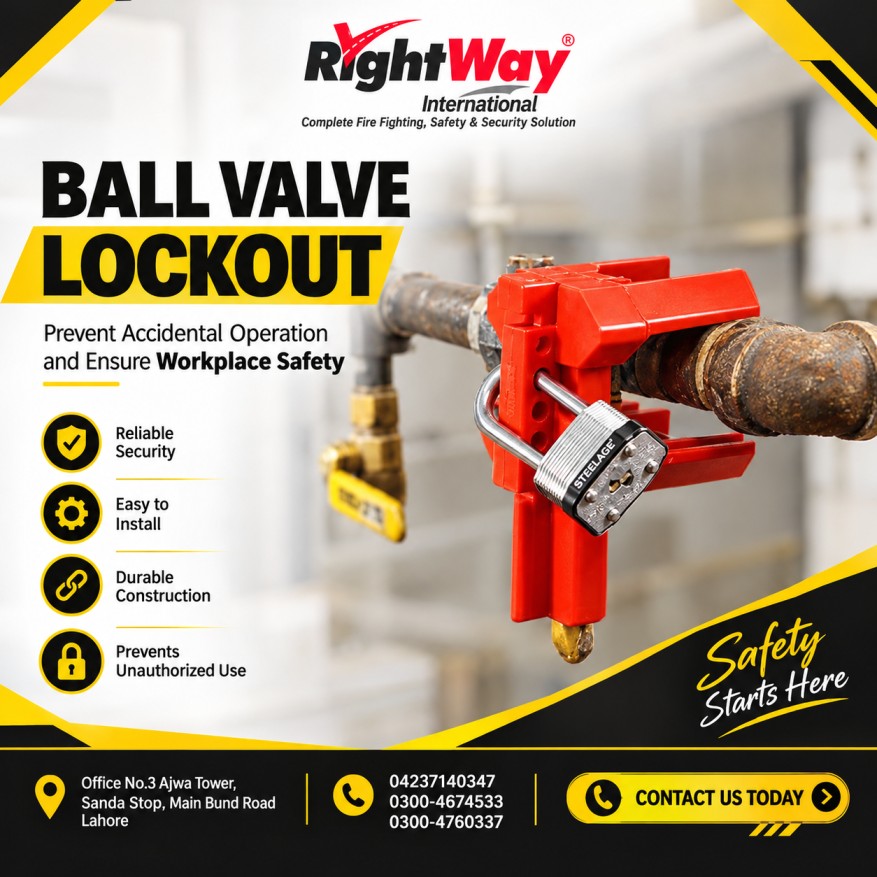
Importance Of Ball Valve Lockout. Ball Valve Lockout plays an important role in workplace safety by helping prevent the unauthorized operation of ball valves during maintenance, repairs, inspection, and servicing. It is a safety device designed to secure a compatible ball valve in the required position, helping control the flow of liquids, gases, and other process media while work is in progress.
Ball valves are widely used in industrial piping systems because they provide quick and reliable flow control. However, accidentally opening or closing a valve during maintenance can release hazardous substances, create pressure-related hazards, or disrupt industrial operations. A suitable ball valve lockout helps reduce these risks by restricting unauthorized valve handle movement.
A Ball Valve Lockout typically consists of a specially designed locking device that fits around or secures the valve handle. It is commonly used with a compatible safety padlock to prevent unauthorized operation. Some designs accommodate different handle sizes, while others are manufactured for specific valve dimensions and configurations.
A properly selected and installed ball valve lockout supports established Lockout/Tagout (LOTO) procedures and helps maintenance personnel maintain control over hazardous energy and process isolation.
Main Importance of Ball Valve Lockout
- Prevent Unauthorized Valve Operation: Helps restrict unauthorized movement of compatible ball valve handles during maintenance and servicing.
- Support Hazardous Energy Control: Contributes to workplace energy-control procedures by helping secure valves associated with hazardous fluids, gases, or pressurized systems.
- Reduce Accidental Releases: Helps reduce the risk of unintended process-media release when used as part of an effective isolation procedure.
- Improve Workplace Safety: Supports maintenance personnel working on industrial piping, machinery, and process equipment.
- Secure Valve Handles: Holds compatible valve handles in the required locked position according to the equipment’s isolation procedure.
- Support Lockout/Tagout Procedures: Allows workers to apply a suitable safety padlock and warning tag where the device design permits.
- Protect Maintenance Personnel: Helps prevent unauthorized changes to valve positions while authorized workers perform maintenance.
- Support Industrial Maintenance: Provides a practical way to secure compatible ball valves during inspection, repair, cleaning, and servicing.
- Improve Safety Awareness: Helps identify valves that must not be operated while maintenance or other restricted activities are in progress.
- Promote Consistent Safety Practices: Encourages the use of appropriate valve lockout devices within an established workplace safety program.
Why Is Ball Valve Lockout Important?
Industrial facilities use ball valves to control the movement of water, oil, gas, chemicals, steam-related process media, and other substances, depending on the valve’s design and rating. During maintenance, an unexpected change in valve position may allow hazardous material to enter a work area or cause pressure to build up in equipment.
A Ball Valve Lockout helps address these hazards by restricting the movement of a compatible valve handle and supporting the facility’s approved isolation procedure. When secured with an appropriate safety padlock, the device helps prevent unauthorized personnel from operating the valve.
For example, a technician may need to repair a section of industrial piping connected to a ball valve. The authorized worker follows the facility’s procedure to identify the relevant energy and process hazards, isolate the system, and secure the valve using a compatible ball valve lockout. The worker then verifies that the required isolation has been achieved before beginning the repair.
When several workers are involved in the same maintenance task, an appropriate group lockout arrangement can allow each authorized worker to apply personal protection in accordance with the site’s LOTO procedure.
However, a ball valve lockout alone does not guarantee safe isolation. The valve must be suitable for the intended isolation purpose, and workers must follow the approved procedure for controlling pressure, draining or venting hazardous media where required, and verifying the safe condition of the system. Additional isolation measures may be necessary depending on the hazard and the applicable safety requirements.
Main Components and Features of Ball Valve Lockout
Ball valve lockout devices are available in different designs to accommodate various valve handles and industrial applications. Common features include:
- Lockout Body: The main structure that fits around or secures the compatible valve handle.
- Handle-Securing Mechanism: Restricts movement of the valve handle when the device is correctly installed.
- Safety Padlock Opening: Allows a compatible safety padlock to secure the device against unauthorized removal or operation.
- Durable Construction: Many devices use robust materials suitable for industrial maintenance environments.
- Adjustable Design: Certain models accommodate a range of valve handle sizes or configurations.
- Compact Structure: Helps workers install, transport, and store the device conveniently.
- Warning Tag Compatibility: Some arrangements allow the use of tags to communicate that the valve must not be operated.
- Size and Configuration Options: Different models are designed for specific handle dimensions, valve arrangements, and installation requirements.
The exact features depend on the manufacturer and model. Always confirm the device’s compatibility with the valve handle, available clearance, operating environment, and intended application before use.
How to Use a Ball Valve Lockout Correctly
Follow these steps as part of your facility’s approved Lockout/Tagout procedure:
- Identify the Valve: Locate the correct ball valve and confirm the equipment, pipeline, or process it controls.
- Assess the Hazards: Identify the fluids, gases, pressure, temperature, and other hazards associated with the system.
- Notify Affected Personnel: Inform relevant employees that the system will be isolated for maintenance or repair.
- Follow the Shutdown Procedure: Shut down the relevant equipment according to the manufacturer’s instructions and the approved workplace procedure.
- Isolate the System: Operate the appropriate energy-isolating devices and establish the required process isolation.
- Place the Valve in the Required Position: Move the compatible ball valve handle to the position specified by the approved isolation procedure. Do not assume that every valve must be locked in the same position.
- Install the Ball Valve Lockout: Fit the device securely around or onto the valve handle according to the manufacturer’s instructions.
- Apply a Safety Padlock and Tag: Secure the lockout device and attach the required warning tag where applicable.
- Control Stored Energy: Depressurize, drain, vent, or otherwise control hazardous stored energy as required by the approved procedure.
- Verify Safe Isolation: Confirm that the required isolation has been achieved using the appropriate verification method before work begins.
- Perform Maintenance: Complete the repair, inspection, or servicing while maintaining the required isolation and lockout protection.
- Remove the Lockout Safely: Follow the approved removal procedure. Each authorized worker must remove their personal lock according to site requirements.
- Restore the System: Confirm that personnel are clear, tools have been removed, and the system is ready before restoring the valve and equipment to service through the approved procedure.
Correct installation and verification are essential. A locked valve handle does not necessarily prove that the valve provides leak-tight or otherwise adequate process isolation.
Where Are Ball Valve Lockout Devices Used?
Ball valve lockout devices are used in workplaces where ball valves form part of systems that require controlled isolation during maintenance and servicing.
- Manufacturing Plants: Securing compatible valves connected to production equipment and industrial processes.
- Oil and Gas Facilities: Supporting valve isolation procedures in suitable piping and process systems.
- Chemical Processing Plants: Helping restrict unauthorized operation of compatible valves handling process chemicals.
- Water Treatment Plants: Supporting maintenance activities involving water supply and treatment systems.
- Power Plants: Helping secure compatible valves during planned maintenance and equipment servicing.
- Pharmaceutical Facilities: Supporting approved isolation procedures for suitable process and utility systems.
- Food and Beverage Industries: Helping control compatible valves used in production and utility piping.
- Petrochemical Facilities: Supporting hazardous energy-control procedures for compatible process equipment.
- Industrial Workshops: Securing ball valves connected to machinery, compressed-air systems, and other suitable installations.
- HVAC and Utility Systems: Supporting maintenance of compatible valves used in building services and industrial utilities.
- Warehouses and Distribution Facilities: Helping control valves associated with suitable equipment and utility installations.
- Water and Wastewater Facilities: Supporting maintenance of compatible pipeline and process systems.
The appropriate lockout device depends on the valve design, handle dimensions, process conditions, potential hazards, and the facility’s isolation requirements.
Benefits of Using Ball Valve Lockout
A Ball Valve Lockout provides a practical method for restricting unauthorized operation of compatible ball valves during maintenance and servicing. When selected and applied correctly, it supports established workplace safety procedures and helps maintenance personnel maintain control over valve positions.
Key benefits include improved control of valve operation, reduced risk of accidental handle movement, support for hazardous energy-control programs, and clearer communication about equipment that must remain isolated.
Ball valve lockout devices can also help standardize maintenance practices across industrial facilities. Their compact designs make them convenient to store in LOTO stations, toolboxes, or lockout kits, allowing authorized personnel to access the required equipment when preparing for maintenance.
Additional benefits include:
- Improved organization of valve isolation equipment.
- Support for individual worker lockout protection.
- Reduced likelihood of unauthorized valve adjustments.
- Convenient use alongside compatible safety padlocks and warning tags.
- Improved maintenance planning and preparation.
- Support for consistent workplace energy-control procedures.
- Greater awareness of valves that must remain in a specified position.
These benefits depend on correct device selection, appropriate installation, employee training, and effective verification of the complete isolation procedure.
How to Choose the Right Ball Valve Lockout
Selecting a suitable ball valve lockout is essential for effective valve control. Consider the following factors before purchasing:
- Valve Handle Size: Measure the handle and check the manufacturer’s compatibility specifications.
- Valve Configuration: Confirm that the lockout device is designed for the specific handle style and valve arrangement.
- Locking Position: Ensure the device can secure the valve in the position required by the approved isolation procedure.
- Material and Durability: Select a device suitable for the workplace environment and expected frequency of use.
- Padlock Compatibility: Check the locking opening and confirm that the intended safety padlock fits correctly.
- Installation Clearance: Ensure adequate space is available to install and secure the device.
- Adjustability: Consider an adjustable model if workers need to secure multiple compatible valve sizes.
- Operating Environment: Evaluate exposure to chemicals, moisture, temperature, and other relevant conditions.
- Ease of Use: Choose a design that trained employees can install and inspect correctly.
- Manufacturer Instructions: Review the technical specifications, application limits, and installation guidance.
- LOTO Program Requirements: Ensure the selected device meets the facility’s energy-control procedures and applicable safety requirements.
A device that fits one ball valve may not fit another. Always verify compatibility before purchasing and confirm that the selected lockout arrangement provides the required level of protection.
Ball Valve Lockout and Workplace Safety
Ball valve lockout is an important part of an effective Lockout/Tagout program wherever hazardous process media or other energy sources must be controlled during maintenance. It helps restrict unauthorized valve operation and supports the procedures used to protect workers from unexpected releases or changes in system conditions.
For effective protection, identify the correct valve, choose a compatible lockout device, apply the required personal safety padlocks and tags, and verify the complete isolation before beginning work. Inspect lockout devices regularly and replace damaged or unsuitable equipment.
Organizations should also provide appropriate employee training and follow manufacturer instructions, approved site procedures, and applicable workplace safety requirements. Where the consequences of leakage or valve failure could be serious, additional isolation measures may be required.
Frequently Asked Questions (FAQs)
1. What is a ball valve lockout?
A ball valve lockout is a safety device designed to secure a compatible ball valve handle in a specified position, helping prevent unauthorized operation during maintenance, repair, and servicing.
2. What is the purpose of a ball valve lockout?
Its purpose is to restrict unauthorized valve handle movement and support workplace Lockout/Tagout procedures for controlling hazardous process media and other associated hazards.
3. How does a ball valve lockout work?
The device fits around or secures a compatible valve handle. A suitable safety padlock is then applied to secure the lockout device, helping prevent unauthorized movement or removal.
4. Can a ball valve lockout be used with a safety padlock?
Yes. Many ball valve lockout devices have a locking opening designed for a compatible safety padlock. Always check the manufacturer’s specifications before use.
5. Are ball valve lockouts adjustable?
Some models are adjustable and can accommodate different compatible handle sizes. Other models are designed for specific valve dimensions or configurations.
6. Where are ball valve lockout devices commonly used?
They are used in manufacturing plants, oil and gas facilities, chemical processing plants, water treatment facilities, power plants, and other workplaces with compatible ball valves.
7. Does a ball valve lockout guarantee leak-proof isolation?
No. A ball valve lockout restricts handle movement; it does not guarantee that the valve is leak-proof. Workers must verify isolation and use additional measures when required by the system’s hazards and approved procedures.
8. Can one ball valve lockout fit every ball valve?
No. Compatibility depends on the handle dimensions, valve configuration, available clearance, and the specific lockout design. Check the manufacturer’s sizing and application information.
9. When should a ball valve lockout be inspected?
Inspect the device before use and at intervals specified by the manufacturer and workplace procedures. Replace damaged, worn, or unsuitable devices before using them.
10. Why is ball valve lockout important for industrial safety?
It helps prevent unauthorized valve operation, supports hazardous energy-control procedures, and contributes to safer maintenance when combined with proper isolation, verification, training, and personal lockout protection.
A Ball Valve Lockout is a valuable safety device for workplaces that need to control the operation of compatible ball valves during maintenance, inspection, and repair. By restricting unauthorized valve handle movement, it helps support hazardous energy-control procedures and reduce the risks associated with unexpected changes in process conditions.
For effective protection, select a compatible device, use an appropriate safety padlock, follow the approved Lockout/Tagout procedure, and verify the required isolation before starting work. Combined with proper training, regular inspections, and suitable isolation measures, ball valve lockout helps strengthen workplace safety and improve maintenance practices.
Lockout Tagout Kit
Why Is a Lockout Tagout Kit Important?
Industrial machinery and equipment can contain hazardous electrical, mechanical, hydraulic, pneumatic, thermal, or other forms of energy. If equipment starts unexpectedly or stored energy is released during maintenance, workers may suffer serious injuries.
A Lockout Tagout kit helps address these risks by providing devices used to secure energy-isolation points and identify equipment that must remain out of service. Safety padlocks help keep compatible lockout devices secured, while warning tags communicate that equipment must not be operated.
For example, when a technician needs to repair an industrial machine, the technician can select the appropriate lockout devices from the kit, follow the approved shutdown procedure, isolate the relevant energy sources, and apply the required locks and tags. The technician must then verify that hazardous energy has been controlled before starting work.
When several authorized workers are involved in the same maintenance task, compatible lockout hasps or group lockout devices can allow each worker to apply their own personal safety padlock according to the site’s procedure.
However, a Lockout Tagout kit alone does not guarantee safety. Workers must identify all hazardous energy sources, isolate them using appropriate devices, release or restrain stored energy, and verify the equipment’s safe condition before beginning maintenance.
Main Components of a Lockout Tagout Kit
The components of a LOTO kit vary according to the intended application, but commonly include the following devices:
- Safety Padlocks: Help secure lockout devices and provide individual control over lockout protection.
- Lockout Tags: Display warnings and relevant information to help prevent unauthorized equipment operation.
- Lockout Hasps: Allow multiple authorized workers to attach their personal padlocks to a compatible isolation point.
- Adjustable Cable Lockouts: Help secure compatible isolation points with flexible cables.
- Circuit Breaker Lockouts: Secure compatible circuit breakers in the required isolated position.
- Valve Lockouts: Help prevent operation of compatible valves during maintenance.
- Plug Lockouts: Enclose or secure compatible electrical plugs to help prevent reconnection.
- Lockout Pouch or Bag: Provides convenient storage and transportation for lockout devices and accessories.
- Lockout Station or Box: Certain kits or workplace systems may include centralized storage for organizing LOTO equipment.
Always confirm the kit’s contents and compatibility before selecting it for a particular workplace application.Read More