Fire Regulatory Compliance: Protecting Lives, Property, and Business Operations
Fire safety is not only a moral responsibility but also a legal requirement for organizations across all industries. Governments and regulatory authorities establish fire safety regulations to protect people, buildings, and critical assets from fire-related hazards. Failing to comply with these regulations can result in penalties, operational disruptions, legal liabilities, and increased safety risks.
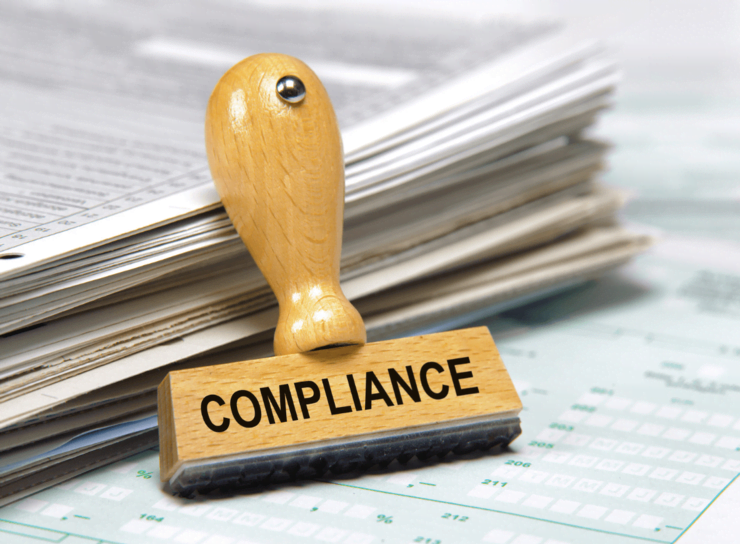
Fire Regulatory Compliance ensures that businesses, commercial properties, industrial facilities, and public buildings meet all applicable fire safety laws, codes, and standards. By implementing compliant fire safety measures, organizations create safer workplaces, reduce fire risks, and maintain uninterrupted business operations.
Whether you manage an office building, manufacturing facility, warehouse, hospital, hotel, or educational institution, maintaining fire regulatory compliance is essential for protecting employees, visitors, and property.
What is Fire Regulatory Compliance?
Fire Regulatory Compliance is the process of meeting all legal and regulatory requirements related to fire prevention, fire protection, emergency preparedness, and workplace safety. It involves implementing fire safety measures, maintaining fire protection systems, conducting regular inspections, and ensuring employees understand emergency procedures.
Compliance requirements vary depending on the type of building, occupancy, industry, and local regulations. However, the primary objective remains the same: preventing fires, minimizing risks, and protecting lives.
Why Fire Regulatory Compliance is Important
Fire regulations are designed to reduce the likelihood of fire incidents and ensure organizations are prepared to respond effectively during emergencies.
Maintaining fire regulatory compliance helps organizations:
- Protect employees, visitors, and occupants
- Reduce the risk of fire-related injuries and fatalities
- Prevent costly property damage
- Ensure business continuity
- Meet legal and insurance requirements
- Avoid fines, penalties, and legal action
- Enhance organizational reputation and stakeholder confidence
Compliance is not a one-time activity—it requires ongoing monitoring, maintenance, and continuous improvement.
Key Components of Fire Regulatory Compliance
1. Fire Risk Assessments
A fire risk assessment is the foundation of any compliance program.
It helps organizations:
- Identify fire hazards
- Evaluate potential risks
- Assess vulnerable areas
- Review existing fire protection measures
- Recommend corrective actions
Risk assessments should be reviewed regularly and updated whenever there are significant changes to the building or operations.
2. Fire Detection and Alarm Systems
Fire detection systems provide early warning and allow occupants to evacuate safely.
Compliant systems typically include:
- Smoke detectors
- Heat detectors
- Fire alarm panels
- Manual call points
- Audible and visual alarm devices
- Monitoring and notification systems
Regular inspection, testing, and maintenance are essential to ensure these systems remain operational.
3. Fire Protection Equipment
Organizations must maintain appropriate fire protection equipment based on the level of risk.
Common fire protection systems include:
- Fire extinguishers
- Automatic sprinkler systems
- Fire hose reels
- Fire hydrants
- Clean agent suppression systems
- Foam suppression systems
- Fire-resistant doors and barriers
Routine servicing ensures equipment functions properly during emergencies.
4. Emergency Evacuation Planning
Regulations typically require organizations to establish clear emergency procedures.
A compliant evacuation plan should include:
- Clearly marked escape routes
- Emergency exit signage
- Assembly points
- Evacuation responsibilities
- Emergency communication procedures
- Assistance for individuals with disabilities
- Visitor management procedures
Regular evacuation drills help verify that procedures are effective.
5. Fire Safety Training
Employee awareness is an essential compliance requirement.
Fire safety training should cover:
- Fire prevention practices
- Hazard identification
- Emergency reporting procedures
- Fire extinguisher use
- Evacuation procedures
- Emergency response roles
Regular refresher training helps maintain readiness and supports a strong safety culture.
6. Inspection and Maintenance
Compliance requires ongoing inspection of fire safety systems and equipment.
Organizations should regularly inspect:
- Fire alarms
- Smoke detectors
- Emergency lighting
- Fire extinguishers
- Sprinkler systems
- Exit routes
- Fire doors
Proper documentation of inspections and maintenance demonstrates compliance during audits and regulatory reviews.
Industries That Require Fire Regulatory Compliance
Fire safety regulations apply across numerous industries, including:
- Manufacturing
- Oil & Gas
- Construction
- Healthcare
- Hospitality
- Warehousing & Logistics
- Educational Institutions
- Commercial Offices
- Retail Centers
- Food Processing
- Chemical Manufacturing
- Data Centers
- Government Buildings
Each industry faces different fire hazards and may be subject to specific regulatory requirements.
Benefits of Fire Regulatory Compliance
Protects People
The primary objective of compliance is safeguarding employees, contractors, visitors, and the public from fire-related risks.
Reduces Property Damage
Proper fire prevention and protection measures minimize damage to buildings, equipment, and valuable assets.
Supports Business Continuity
Organizations with effective fire safety systems can recover more quickly after emergencies, reducing operational downtime.
Demonstrates Legal Compliance
Meeting fire regulations helps businesses avoid enforcement actions, fines, and legal liabilities.
Improves Insurance Readiness
Maintaining compliance and documented fire safety practices can support insurance requirements and risk assessments.
Common Challenges in Achieving Fire Regulatory Compliance
Organizations often encounter challenges such as:
- Outdated fire protection systems
- Incomplete documentation
- Infrequent fire risk assessments
- Lack of employee training
- Poor equipment maintenance
- Changes in building occupancy or operations
- Limited awareness of regulatory updates
Regular reviews and professional guidance help address these challenges before they become compliance issues.
Best Practices for Maintaining Fire Regulatory Compliance
Organizations can strengthen compliance by following these best practices:
- Conduct regular fire risk assessments
- Maintain fire detection and suppression systems
- Inspect fire safety equipment routinely
- Train employees on fire safety procedures
- Keep emergency exits unobstructed
- Perform scheduled fire drills
- Update emergency response plans regularly
- Maintain accurate inspection and maintenance records
- Review changes in fire safety regulations
- Work with qualified fire safety professionals
A proactive approach helps organizations remain compliant while improving overall workplace safety.
How Fire Safety Consultants Support Compliance
Professional fire safety consultants assist organizations by:
- Conducting comprehensive fire risk assessments
- Reviewing compliance with applicable regulations
- Evaluating fire protection systems
- Developing emergency evacuation plans
- Delivering fire safety training
- Recommending corrective actions
- Supporting regulatory inspections and audits
Their expertise helps businesses meet legal requirements while creating safer environments.
Conclusion
Fire regulatory compliance is an essential part of responsible business management. By meeting fire safety regulations, maintaining fire protection systems, conducting regular inspections, and providing employee training, organizations can significantly reduce fire risks and create safer workplaces.
Compliance should be viewed not as a one-time obligation but as an ongoing commitment to protecting lives, property, and business operations. Investing in a comprehensive fire safety program helps organizations meet legal requirements, reduce operational risks, and strengthen long-term resilience.
Frequently Asked Questions (FAQs)
What is fire regulatory compliance?
Fire regulatory compliance is the process of meeting legal requirements related to fire prevention, fire protection systems, emergency planning, inspections, and workplace fire safety.
Why is fire regulatory compliance important?
It helps protect lives, reduces fire risks, prevents property damage, supports business continuity, and ensures compliance with applicable laws and safety standards.
Who is responsible for fire regulatory compliance?
Building owners, employers, facility managers, and designated safety personnel are typically responsible for implementing and maintaining compliant fire safety measures.
What are the key elements of fire regulatory compliance?
Key elements include fire risk assessments, fire detection systems, fire protection equipment, emergency evacuation planning, employee training, inspections, and documentation.
How often should fire safety systems be inspected?
Inspection and maintenance schedules depend on local regulations, manufacturer recommendations, and the type of equipment. Organizations should establish routine inspection programs and maintain detailed records.