

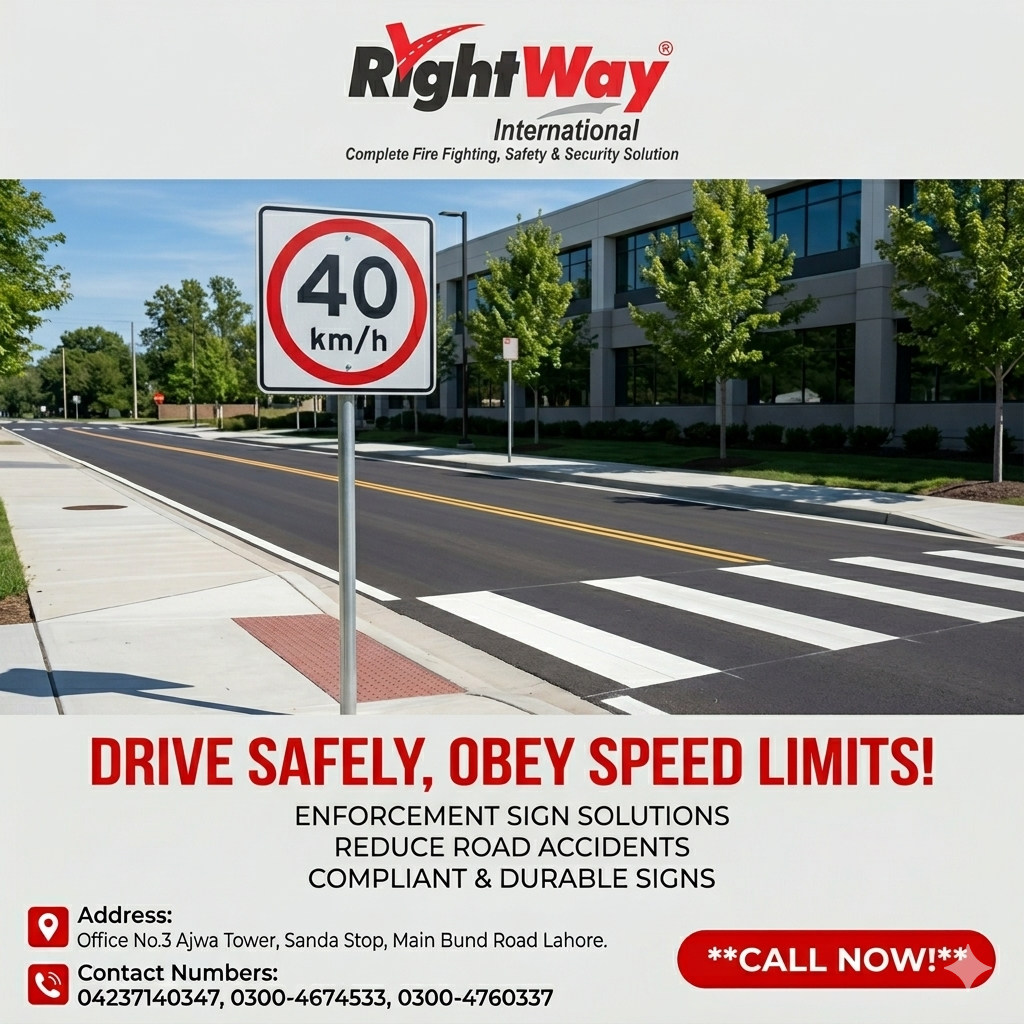
Speed Limit Signs are highly visible traffic control devices designed to inform drivers of the maximum or minimum legal speed permitted on a roadway. These essential traffic safety signs help regulate vehicle speeds, improve driver awareness, reduce accident risks, enhance traffic flow, and support roadway safety in accordance with Occupational Safety and Health Administration (OSHA), Federal Highway Administration (FHWA), Department of Transportation (DOT), Manual on Uniform Traffic Control Devices (MUTCD), and local traffic regulations.
Speed limit signs are widely used on highways, expressways, urban streets, residential neighborhoods, school zones, construction sites, industrial facilities, parking areas, airports, tunnels, bridges, and public transportation corridors. Their clear visibility and standardized design help motorists maintain safe driving speeds under varying traffic, roadway, and environmental conditions.
As transportation networks continue to expand and roadway safety remains a global priority, speed limit signs play a critical role in traffic management systems, accident prevention programs, intelligent transportation systems, public safety initiatives, roadway engineering projects, and sustainable mobility solutions.
What Are Speed Limit Signs?
A Speed Limit Sign is a regulatory traffic sign that displays the maximum or minimum speed at which vehicles may legally travel on a specific roadway or roadway section.
These signs are commonly used for:
- Traffic speed regulation
- Driver awareness
- Road safety enhancement
- Accident prevention
- Traffic flow management
- School zone protection
- Construction zone safety
- Highway safety control
- Public safety improvement
- Vehicle speed monitoring
- Risk reduction
- Transportation management
- Infrastructure safety
- Smart mobility solutions
- Regulatory compliance
Speed Management Systems
Speed management systems are commonly used for:
- Highway traffic control
- Urban roadway management
- School zone safety
- Construction work zone protection
- Residential traffic calming
- Smart city transportation
- Public safety programs
- Accident reduction initiatives
- Transportation planning
- Municipal roadway operations
- Infrastructure protection
- Driver behavior management
- Traffic engineering projects
- Road safety campaigns
- Intelligent transportation networks
Traffic Regulatory Signs
Traffic regulatory signs are commonly used for:
- Speed control
- Traffic law enforcement
- Vehicle guidance
- Hazard reduction
- Roadway management
- Safety compliance
- Driver communication
- Traffic regulation
- Public safety enhancement
- Infrastructure management
- Smart transportation systems
- Work zone protection
- School zone operations
- Community traffic control
- Road user protection
Key Components of Speed Limit Signs
A typical speed limit sign system includes:
- Reflective sign face
- Regulatory speed display
- High-visibility numerals
- Aluminum sign panel
- Weather-resistant coating
- Mounting brackets
- Galvanized steel posts
- Reflective sheeting
- Anti-corrosion protection
- Breakaway support systems
- Solar-powered illumination (optional)
- LED speed display modules
- Radar speed feedback systems
- Smart traffic sensors
- Digital communication modules
- Protective sign overlays
- Structural mounting hardware
- Visibility enhancement materials
Pedestrian cross walk signs are commonly used for:
Community safety
Pedestrian safety
Traffic control
Crosswalk identification
Driver awareness
School zone protection
Roadway hazard prevention
Public safety enhancement
Urban traffic management
Accident reduction
Pedestrian guidance
Traffic calming
Smart transportation systems
Mobility improvement
Accessibility compliance
How Speed Limit Signs Work
Speed limit signs improve roadway safety by informing drivers of legal speed requirements.
Step 1: Installation
The sign is installed along roadways according to traffic engineering standards.
Step 2: Driver Recognition
Motorists observe the posted speed limit while traveling.
Step 3: Speed Adjustment
Drivers adjust vehicle speed to comply with the posted limit.
Step 4: Traffic Regulation
Vehicle speeds remain more consistent and controlled.
Step 5: Enhanced Road Safety
Proper speed management reduces collision risks and improves traffic efficiency.
Types of Speed Limit Signs
1. Maximum Speed Limit Signs
Display the highest legal speed permitted on a roadway.
2. Minimum Speed Limit Signs
Indicate the lowest speed vehicles are allowed to travel.
3. School Zone Speed Limit Signs
Used near schools to protect students and pedestrians.
4. Construction Zone Speed Limit Signs
Temporary signs used in roadwork and maintenance areas.
5. Variable Speed Limit Signs
Electronic signs that adjust speed limits based on conditions.
6. Digital Speed Limit Signs
Provide dynamic speed information using electronic displays.
7. Radar Feedback Speed Signs
Display vehicle speeds and encourage compliance.
8. Residential Speed Limit Signs
Installed in neighborhoods to promote safer driving.
9. Highway Speed Limit Signs
Used on expressways and major transportation routes.
10. Smart Speed Limit Signs
Integrated with intelligent transportation systems and traffic monitoring networks.
Common Applications of Speed Limit Signs
Speed limit signs are widely used in:
- Highways
- Expressways
- Urban roads
- Residential communities
- School zones
- Construction sites
- Industrial facilities
- Airports
- Parking facilities
- Bridges
- Tunnels
- Logistics centers
- Public transportation corridors
- Government facilities
- Smart city infrastructure
Traffic Speed Control Systems
Traffic speed control systems are commonly used for:
- Driver safety improvement
- Vehicle speed regulation
- Traffic calming initiatives
- Highway safety management
- School zone protection
- Construction zone control
- Accident prevention programs
- Municipal traffic operations
- Public safety enhancement
- Infrastructure protection
- Transportation planning
- Smart mobility solutions
- Traffic engineering applications
- Regulatory compliance
- Risk management strategies
Importance of Speed Limit Signs in Traffic Management
Speed limit signs are essential components of modern roadway safety infrastructure.
Key Benefits
- Improve driver awareness
- Reduce speeding violations
- Lower accident rates
- Enhance pedestrian safety
- Improve traffic flow
- Support law enforcement activities
- Protect roadway workers
- Increase transportation efficiency
- Reduce liability risks
- Strengthen roadway compliance
Technical Specifications
| Specification | Details |
|---|---|
| Equipment Type | Speed Limit Sign |
| Function | Traffic Speed Regulation |
| Material | Aluminum, Reflective Sheeting |
| Visibility | High Visibility |
| Lighting Options | Reflective, LED, Solar |
| Weather Resistance | Excellent |
| Impact Resistance | High |
| Installation Type | Permanent or Temporary |
| Maintenance Requirement | Low |
| Compliance Standards | OSHA, MUTCD, FHWA, DOT, Local Regulations |
Key Features and Advantages of Speed Limit Signs
High Visibility
Reflective materials ensure visibility during day and night conditions.
Enhanced Road Safety
Help reduce speeding-related accidents and injuries.
Durable Construction
Built to withstand harsh environmental conditions.
Regulatory Compliance
Support adherence to traffic laws and roadway regulations.
Traffic Flow Improvement
Promote smooth and consistent vehicle movement.
Low Maintenance
Require minimal upkeep over long service lives.
Smart Technology Integration
Compatible with advanced traffic monitoring systems.
Cost-Effective Safety Solution
Provide long-term safety benefits with minimal operational costs.
How to Select the Right Speed Limit Sign
1. Assess Roadway Conditions
Evaluate traffic volume, speed patterns, and roadway design.
2. Determine Regulatory Requirements
Select speed limits based on local transportation standards.
3. Consider Visibility Needs
Choose reflective, illuminated, or LED-enhanced options.
4. Evaluate Environmental Conditions
Ensure suitability for weather and operating environments.
5. Verify Compliance Standards
Confirm compliance with MUTCD, DOT, FHWA, OSHA, and local regulations.
Best Practices for Using Speed Limit Signs
- Conduct routine inspections
- Maintain sign visibility
- Clean reflective surfaces regularly
- Replace damaged signs promptly
- Verify mounting stability
- Monitor speed compliance
- Upgrade outdated signage
- Follow traffic engineering guidelines
- Perform periodic safety audits
- Ensure regulatory compliance
Industries That Use Speed Limit Signs
- Transportation departments
- Highway authorities
- Municipal governments
- Construction companies
- Airport operators
- Industrial facilities
- Logistics companies
- Educational institutions
- Public works departments
- Traffic engineering firms
- Infrastructure contractors
- Smart city developers
- Property management companies
- Utility providers
- Government agencies
Importance of Traffic Safety Compliance
Speed limit signs help organizations achieve compliance by ensuring:
- Improved traffic control
- Enhanced roadway safety
- Better driver awareness
- Reduced accident risks
- Increased public protection
- Improved transportation efficiency
- Lower liability exposure
- Compliance with traffic regulations
Difference Between Standard and Digital Speed Limit Signs
| Feature | Standard Speed Limit Sign | Digital Speed Limit Sign |
| Display Type | Static | Electronic |
| Visibility | High | Very High |
| Power Requirement | None | Electrical or Solar |
| Speed Updates | Fixed | Dynamic |
| Driver Attention | Good | Excellent |
| Smart Features | Limited | Advanced |
| Installation Cost | Lower | Higher |
| Common Applications | General Roadways | Smart Traffic Systems |
Frequently Asked Questions (FAQs)
What is a Speed Limit Sign used for?
Speed limit signs inform drivers of the legal speed limits for a roadway and help improve traffic safety.
Where are Speed Limit Signs commonly installed?
They are commonly installed on highways, urban streets, residential roads, school zones, construction sites, airports, and industrial facilities.
What types of Speed Limit Signs are available?
Common types include maximum speed signs, minimum speed signs, school zone signs, construction zone signs, digital signs, radar feedback signs, and variable speed limit signs.
Do Speed Limit Signs improve roadway safety?
Yes. They help reduce speeding, improve driver awareness, lower accident risks, and support efficient traffic management.
How often should Speed Limit Signs be inspected?
Regular inspections should be conducted to ensure visibility, structural integrity, and compliance with traffic regulations.