




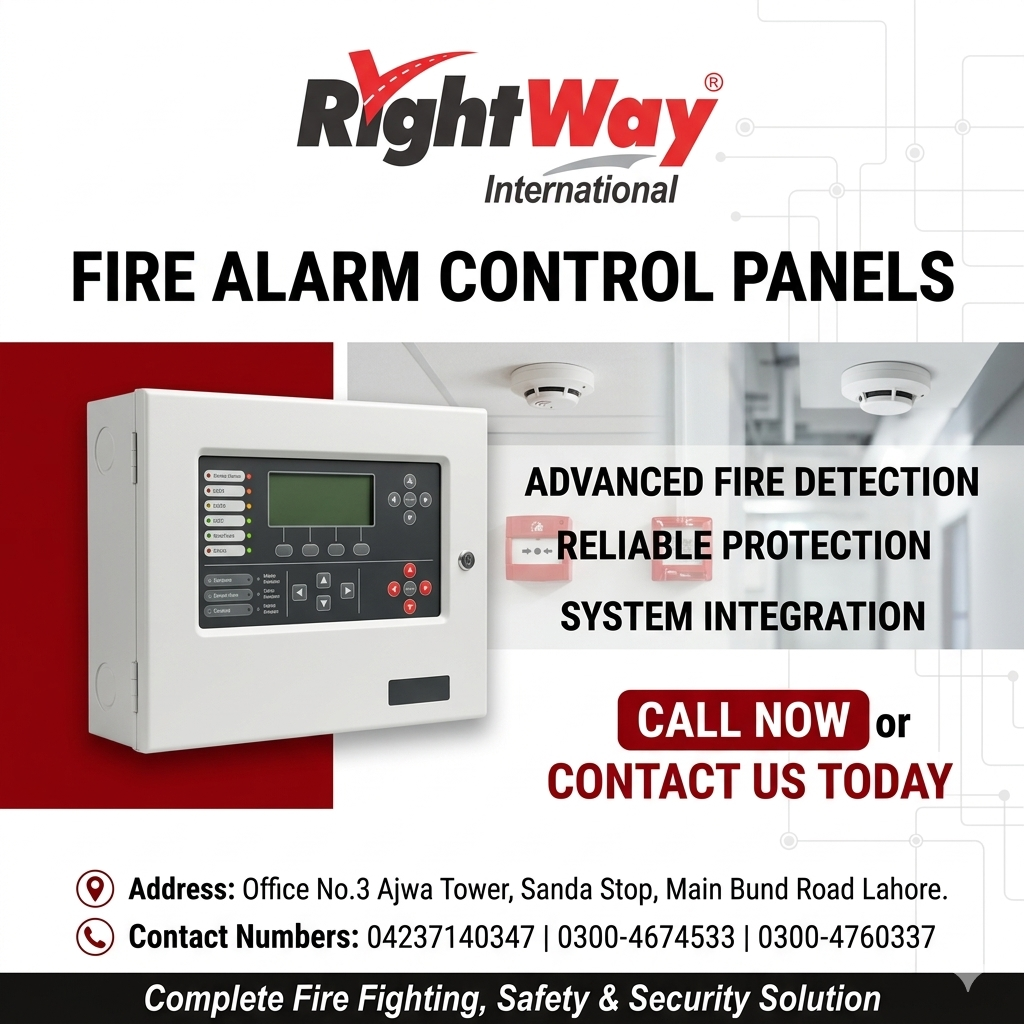
Fire Alarm Control Panel (FACP) is the central brain of a fire alarm system. It receives signals from detection devices like smoke detectors, flame detectors, and Heat Detector, then processes the information and activates alarms or safety responses.
According to National Fire Protection Association standards (especially NFPA 72), the fire alarm control panel is a mandatory component in most commercial and industrial fire protection systems.
What is a Fire Alarm Control Panel?
A Fire Alarm Control Panel is an electronic unit that:
- Monitors fire detection devices
- Controls alarm signals (sirens, bells, strobes)
- Sends alerts to emergency systems
- Supervises system faults and wiring
In simple terms, it acts as the command center of the entire fire safety system.
How Does a Fire Alarm Control Panel Work?
1. Normal Condition
The panel continuously monitors all connected devices and circuits.
2. Detection
When a device (smoke detector, flame detector, or Heat Detector) senses fire, it sends a signal to the panel.
3. Signal Processing
The panel identifies the location and type of alarm.
4. Alarm Activation
It activates:
- Audible alarms (sirens, bells)
- Visual alarms (strobe lights)
- Emergency systems (sprinklers, shutdown systems)
5. Notification
It may also notify:
- Fire departments
- Building management systems
Types of Fire Alarm Control Panels
1. Conventional Fire Alarm Panel
- Divides the building into zones
- Indicates fire by zone, not exact location
- Cost-effective and simple
2. Addressable Fire Alarm Panel
- Each device has a unique address
- Shows exact location of fire
- More advanced and widely used
3. Intelligent Fire Alarm Panel
- Advanced version of addressable systems
- Uses algorithms to reduce false alarms
- Provides detailed diagnostics
Key Components of a Fire Alarm Control Panel
- Control Unit (CPU) – Processes signals
- Power Supply – Includes main and backup batteries
- Input Devices – Smoke, flame, and Heat Detector
- Output Devices – Sirens, bells, strobes
- Communication Modules – Sends alerts to authorities
Functions of FACP
- Fire detection monitoring
- Alarm activation
- Fault detection (wiring issues, device failure)
- System supervision
- Emergency control (e.g., elevators, HVAC shutdown)
Where Fire Alarm Control Panels Are Used
FACP systems are installed in:
- Commercial buildings
- Hospitals
- Schools and universities
- Shopping malls
- Factories and industrial plants
- Airports and hotels
Advantages
1. Centralized Control
Manages the entire fire detection system from one location.
2. Early Warning System
Provides quick alerts to prevent fire spread.
3. Integration
Works with sprinklers, suppression systems, and detectors.
4. Reliable Monitoring
Ensures all devices are functioning properly.
Disadvantages
- Can be expensive (especially addressable systems)
- Requires professional installation
- Needs regular maintenance and testing
NFPA Standards for Fire Alarm Control Panels
As per National Fire Protection Association (NFPA 72):
- Panels must be installed in accessible locations
- Must have backup power supply
- Require regular inspection and testing
- Must provide audible and visual alarms
- Should ensure system supervision at all times
Compliance ensures safety and system reliability.
Maintenance Tips
To keep the FACP working properly:
- Test the system regularly
- Check batteries and power supply
- Inspect wiring and connections
- Verify detector functionality
- Conduct routine fire safety audits
Flame Detector
A flame detector is an electronic safety device that detects the presence of flames by analyzing light wavelengths emitted during combustion.
Unlike heat detectors, which respond to temperature, or smoke detectors, which sense particles, flame detectors react almost instantly to fire.
Because of this, they are highly effective in high-risk and open-area environments.
Frequently Asked Questions (FAQs)
1. What is the main function of a fire alarm control panel?
It monitors detectors and activates alarms during a fire.
2. Can a FACP work without detectors?
No, it requires input devices like smoke detectors, flame detectors, or Heat Detector.
3. What is the difference between conventional and addressable panels?
Conventional shows zones, while addressable shows exact device locations.
4. Is FACP required in buildings?
Yes, most commercial buildings require it as per National Fire Protection Association standards.
5. How long does a fire alarm panel last?
Typically 10–20 years, depending on maintenance and environment.
Conclusion
In conclusion, a Fire Alarm Control Panel (FACP) is the heart of any fire alarm system, responsible for detecting, processing, and responding to fire emergencies.
When integrated with devices like flame detectors and Heat Detector, it ensures complete fire protection.
Following National Fire Protection Association standards guarantees maximum safety, reliability, and compliance.