




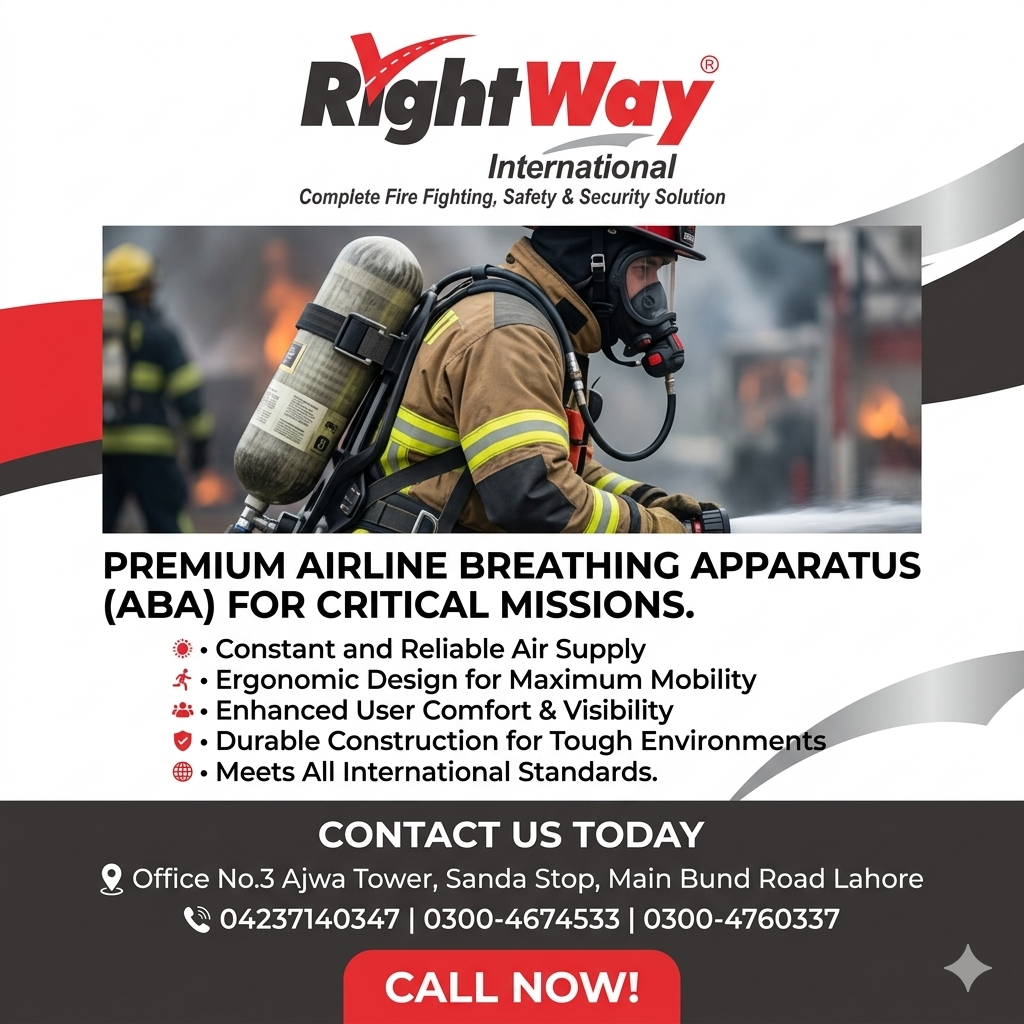
Airline Breathing Apparatus are specialized respiratory protection systems designed to provide a continuous supply of clean breathable air to workers operating in hazardous, oxygen-deficient, toxic, smoke-filled, or contaminated industrial environments. These systems are essential for protecting personnel exposed to dangerous gases, chemical vapors, airborne contaminants, dust, fumes, and confined space hazards where normal atmospheric air is unsafe for breathing.
Airline breathing apparatus systems are widely used in chemical plants, oil and gas facilities, pharmaceutical manufacturing, spray painting operations, offshore platforms, mining industries, firefighting operations, confined space entry, shipyards, power plants, wastewater treatment facilities, metal processing industries, and hazardous material handling operations where reliable respiratory protection is critical for worker safety and regulatory compliance. as per Occupational Safety and Health Administration (OSHA)
Because industrial environments may contain toxic chemicals, oxygen deficiency, airborne particles, combustible gases, smoke, and hazardous vapors, airline breathing apparatus systems provide a safe continuous airflow that protects workers from respiratory hazards and improves industrial safety performance.
What Is an Airline Breathing Apparatus?
An Airline Breathing Apparatus is a supplied-air respiratory protection system that delivers clean compressed breathable air to workers through an airline hose connected to an external breathing air source.
These systems are commonly used for:
- Confined space entry
- Spray painting operations
- Chemical handling
- Tank cleaning
- Offshore maintenance
- Industrial shutdown operations
- Hazardous material handling
- Welding and metal fabrication
- Pharmaceutical production
- Toxic gas environments
- Sandblasting operations
- Emergency rescue operations
- Industrial cleaning procedures
- Industrial coating applications
- Smoke-filled environments
Most airline breathing apparatus systems include:
- Full-face respirator mask
- Breathing air hose
- Air regulator
- Air filtration system
- Air compressor connection
- Escape cylinder system
- Pressure control valve
- Breathing air manifold
- Flow control assembly
- Respiratory protection harness
- Air quality monitoring system
- Emergency backup air supply
Airline breathing apparatus systems support:
- OSHA respiratory protection compliance
- Worker respiratory safety
- Confined space safety programs
- Toxic gas exposure prevention
- Industrial hygiene programs
- Emergency response preparedness
- Hazardous atmosphere protection
- Industrial maintenance operations
- Chemical exposure control
- Occupational health and safety compliance
Because these systems deliver purified breathable air continuously, they significantly improve worker protection in dangerous industrial environments.
Common Applications of Airline Breathing Apparatus
Industries use airline breathing apparatus systems for various respiratory protection applications, including:
- Confined space entry operations
- Chemical plant maintenance
- Spray painting facilities
- Industrial coating applications
- Pharmaceutical manufacturing
- Hazardous material cleanup
- Offshore platform maintenance
- Welding operations
- Sandblasting procedures
- Oil refinery shutdowns
- Tank inspection and cleaning
- Toxic gas response operations
- Wastewater treatment maintenance
- Marine repair operations
- Mining rescue operations
- Industrial emergency response
- Power generation maintenance
- Industrial decontamination
- Fire and smoke response operations
- Industrial cleaning services
Importance of Airline Breathing Apparatus in Industrial Safety
Airline breathing apparatus systems play a vital role in protecting workers from hazardous airborne contaminants and oxygen-deficient atmospheres.
Benefits:
- Provides continuous breathable air supply
- Protects against toxic gases and vapors
- Reduces respiratory exposure risks
- Supports OSHA compliance
- Improves worker safety
- Enables safe confined space entry
- Enhances emergency response readiness
- Reduces occupational respiratory illnesses
- Supports hazardous material operations
- Improves industrial safety management
How Airline Breathing Apparatus Works
Airline breathing apparatus systems deliver purified compressed breathing air from a remote source to the worker through an airline hose system.
Step 1: Air Supply Generation
Clean breathable air is generated using a breathing air compressor or compressed air cylinder bank.
Step 2: Air Filtration
The air passes through purification filters that remove:
- Moisture
- Oil vapors
- Carbon monoxide
- Particulates
- Hydrocarbons
- Chemical contaminants
- Dust and fumes
Step 3: Pressure Regulation
Pressure regulators control airflow and maintain safe breathing pressure.
Step 4: Air Delivery Through Airline Hose
Purified air travels through an airline hose connected to the respirator.
Step 5: Respiratory Protection
The worker breathes safely through a full-face mask or hood supplied with clean air.
Step 6: Emergency Backup Activation
Some systems include escape cylinders that activate during primary air supply failure.
Types of Airline Breathing Apparatus
Different industries require different airline breathing apparatus configurations depending on workplace hazards and operational requirements.
1. Continuous Flow Airline Breathing Apparatus
These systems provide a constant flow of breathable air to the user.
Features:
- Continuous airflow
- Simple operation
- Lightweight design
- Suitable for painting applications
2. Pressure Demand Airline Breathing Apparatus
Pressure demand systems supply air only when the wearer inhales.
Benefits:
- Efficient air consumption
- Improved respiratory comfort
- Enhanced protection level
- Reduced breathing resistance
3. Escape Cylinder Airline Breathing Apparatus
These systems include an emergency escape cylinder for backup breathing air.
Applications:
- Confined space entry
- Offshore platforms
- Chemical processing plants
- Toxic gas environments
4. Hood-Type Airline Breathing Apparatus
Uses a breathing hood instead of a face mask.
Common Uses:
- Pharmaceutical manufacturing
- Spray painting
- Cleanroom operations
- Dust protection environments
5. Full-Face Airline Breathing Apparatus
Provides complete respiratory and eye protection.
Advantages:
- High protection factor
- Eye and face safety
- Chemical splash protection
- Improved hazardous gas protection
Technical Specifications
| Specification | Details |
|---|---|
| Equipment Type | Airline Breathing Apparatus |
| Respiratory Protection | Supplied Air Respirator |
| Air Supply | Breathing Grade Compressed Air |
| Operating Pressure | 60 PSI to 150 PSI |
| Respirator Type | Full Face Mask or Hood |
| Air Quality Standard | Grade D / EN12021 |
| Compliance | OSHA, NIOSH, EN14594 |
| Hose Length | Variable Industrial Length |
| Emergency Escape Cylinder | Optional |
| Application | Industrial Respiratory Protection |
Key Features and Advantages of Airline Breathing Apparatus
Continuous Clean Air Supply
Provides uninterrupted breathable air in hazardous environments.
Advanced Respiratory Protection
Protects workers from toxic gases, fumes, vapors, and particulates.
OSHA Compliance Support
Supports workplace respiratory protection regulations.
Comfortable Long-Term Operation
Suitable for extended industrial work periods.
Emergency Escape Capability
Backup escape cylinders improve worker safety during emergencies.
Flexible Industrial Applications
Available for multiple industrial and hazardous work environments.
Lightweight and Ergonomic Design
Improves mobility and reduces worker fatigue.
Reliable Industrial Performance
Designed for harsh industrial operating conditions.
Breathing Air Compressor
A Breathing Air Compressor is a high-pressure compressor system designed to compress, purify, and deliver breathable air that meets respiratory air quality standards for human breathing applications.
These compressors are commonly used to fill:
- SCBA cylinders
- SCUBA diving cylinders
- Escape breathing apparatus (EBA) cylinders
- Emergency escape systems
- Airline respirators
- Firefighter breathing systems
- Industrial respiratory equipment
- Confined space breathing systems
- HAZMAT respiratory protection equipment
- Emergency breathing air storage cylinders
Most breathing air compressor systems include:
- Multi-stage air compressor
- Air purification filtration system
- Moisture separator
- Carbon monoxide monitor
- High-pressure storage cylinders
- Air dryer system
- Pressure gauges
- Automatic shutoff controls
- Cooling system
- Breathing air quality monitoring system
How to Select the Right Airline Breathing Apparatus
Choosing the correct airline breathing apparatus improves worker safety and operational efficiency.Breathing Air Compressor
1. Identify Workplace Hazards
Determine airborne contaminants and oxygen deficiency risks.
2. Verify Compliance Requirements
Ensure the system complies with OSHA, NIOSH, and EN14594 standards.
3. Evaluate Air Supply Requirements
Select systems based on airflow demand and work duration.
4. Consider Mobility Requirements
Choose lightweight and flexible systems for mobile operations.
5. Assess Environmental Conditions
Use corrosion-resistant systems for offshore or chemical environments.
Best Practices for Airline Breathing Apparatus Usage
- Inspect respirators before each use
- Monitor breathing air quality regularly
- Replace filters according to manufacturer recommendations
- Train workers on respiratory safety procedures
- Conduct regular fit testing
- Inspect airline hoses for leaks or damage
- Maintain emergency escape cylinders
- Store equipment in clean dry environments
- Follow OSHA respiratory protection programs
- Perform routine maintenance inspections
Industries That Commonly Use Airline Breathing Apparatus
Oil and Gas Industry
Workers use airline respirators during shutdowns, tank cleaning, and gas exposure operations.
Chemical Processing Plants
Chemical facilities require respiratory protection against toxic vapors and hazardous chemicals.
Pharmaceutical Manufacturing
Clean breathing systems support contamination-free manufacturing environments.
Marine and Offshore Industry
Ships and offshore platforms use airline breathing systems during maintenance and emergency response.
Mining Operations
Mining workers rely on respiratory protection in dust and toxic gas environments.
Fire and Rescue Services
Emergency responders use supplied-air respirators during hazardous operations.
Power Generation Facilities
Power plants use breathing apparatus during maintenance shutdowns and confined space operations.
Spray Painting Industry
Painters require clean breathable air during coating and finishing applications.
Importance of OSHA Compliance for Airline Breathing Apparatus
OSHA respiratory protection standards require employers to provide safe breathing air and respiratory protection systems for workers exposed to hazardous atmospheres.
Proper airline breathing apparatus programs help organizations:
- Improve worker respiratory safety
- Reduce toxic exposure incidents
- Support OSHA inspections
- Improve emergency preparedness
- Strengthen industrial safety programs
- Reduce workplace respiratory illnesses
- Improve confined space safety
- Enhance operational safety procedures
- Support industrial hygiene programs
- Improve hazard management systems
Failure to maintain proper respiratory protection systems may result in toxic exposure, respiratory illness, OSHA penalties, operational shutdowns, and workplace accidents.
Difference Between Airline Breathing Apparatus and SCBA Systems
| Feature | Airline Breathing Apparatus | SCBA System |
|---|---|---|
| Air Supply Source | External Air Supply | Self-Contained Cylinder |
| Operating Duration | Continuous Supply | Limited Cylinder Duration |
| Mobility | Limited by Airline Hose | High Mobility |
| Weight | Lightweight | Heavier Equipment |
| Confined Space Use | Common | Common |
| Long Duration Work | Excellent | Limited |
| Emergency Escape | Optional Cylinder | Integrated Cylinder |
| Air Refill Requirement | External Supply | Cylinder Refilling Required |
Frequently Asked Questions (FAQs)
What is an airline breathing apparatus used for?
It provides continuous breathable air to workers operating in hazardous, toxic, or oxygen-deficient environments.
Who uses airline breathing apparatus systems?
Industrial workers, offshore personnel, firefighters, chemical plant operators, painters, rescue teams, and confined space workers commonly use them.
What standards apply to airline breathing apparatus?
OSHA, NIOSH, and EN14594 standards regulate respiratory protection systems and breathing air quality.
What contaminants do airline breathing apparatus systems protect against?
They protect against toxic gases, vapors, smoke, dust, fumes, airborne particulates, and oxygen-deficient atmospheres.
Can airline breathing apparatus systems be used in confined spaces?
Yes. They are widely used for confined space entry and hazardous maintenance operations.
Why is breathing air quality important?
Poor breathing air quality may expose workers to toxic contaminants and serious respiratory health hazards.
Airline Breathing Apparatus systems are essential respiratory protection solutions that improve workplace safety, support OSHA compliance, and provide continuous breathable air for hazardous industrial environments. By delivering purified breathing air for confined space entry, chemical handling, offshore maintenance, spray painting, industrial shutdowns, toxic gas operations, pharmaceutical manufacturing, and emergency response activities, these systems help reduce respiratory hazards, improve worker protection, and strengthen industrial safety programs.
Whether used in oil and gas facilities, chemical plants, offshore platforms, marine operations, pharmaceutical industries, mining operations, wastewater treatment facilities, spray painting industries, power plants, or emergency rescue services, airline breathing apparatus systems remain a critical component of modern industrial respiratory protection and occupational safety management.