




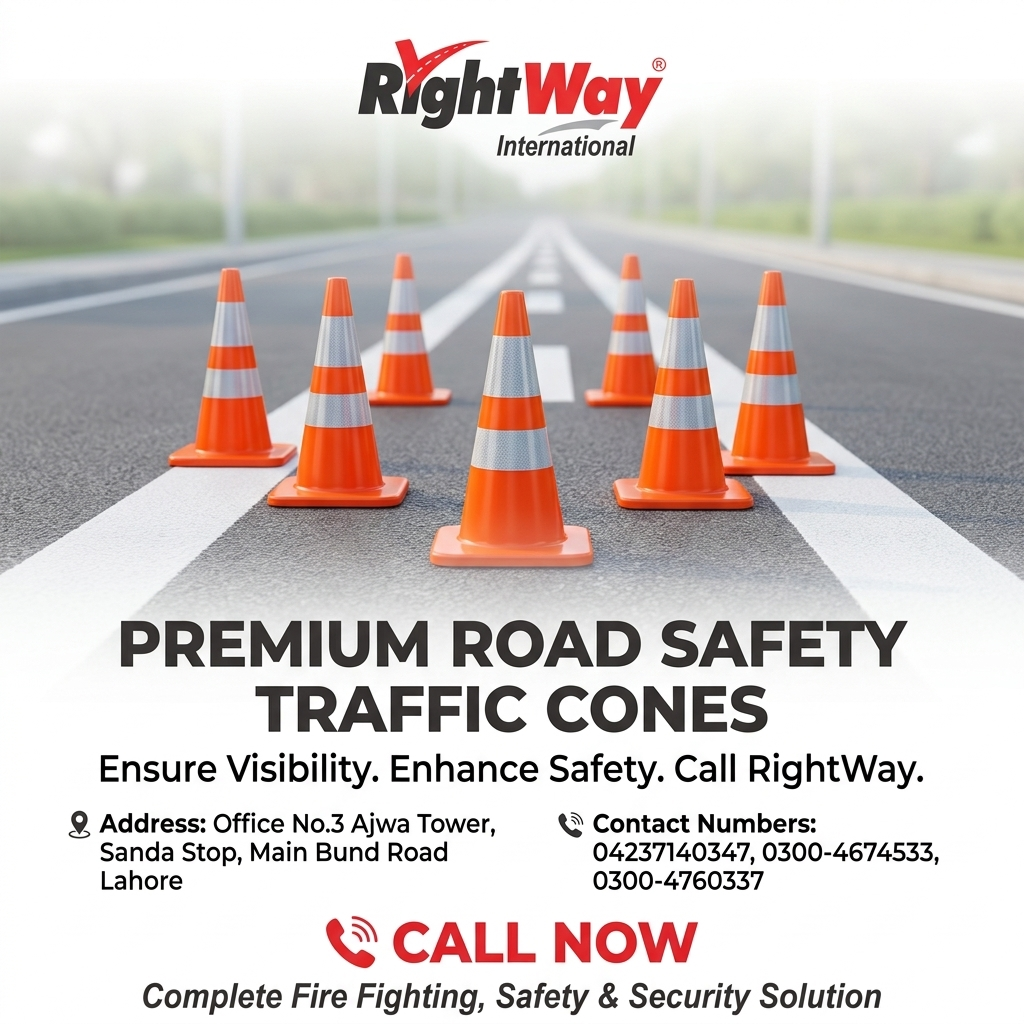
Road Safety Traffic Cones are essential traffic management devices designed to guide, warn, channelize, and protect road users in temporary or permanent traffic control situations. These highly visible safety cones help prevent accidents, improve traffic flow, and create safe work zones for motorists, pedestrians, construction workers, and emergency responders.
Traffic cones are widely used on highways, roads, construction sites, parking areas, airports, industrial facilities, warehouses, event venues, toll plazas, public infrastructure projects, and emergency response operations to enhance road safety and ensure effective traffic management.
Because traffic safety is a critical component of transportation infrastructure, road safety traffic cones play a vital role in accident prevention, hazard identification, work zone protection, lane management, and regulatory compliance. They support safety standards established by transportation authorities, Occupational Safety and Health Administration (OSHA) , ISO, ANSI, MUTCD, HSE, and local traffic management agencies.
What Are Road Safety Traffic Cones?
Road Safety Traffic Cones are portable safety devices made from durable materials such as PVC, rubber, polyethylene, or thermoplastic. They are designed with bright colors and reflective bands to provide high visibility during both daytime and nighttime conditions.
Traffic cones are commonly used for:
- Road construction projects
- Highway maintenance
- Traffic diversion
- Lane closures
- Parking management
- Emergency response operations
- Event traffic control
- Pedestrian safety
- Utility maintenance work
- Airport ground operations
- Warehouse traffic management
- Industrial safety programs
- Public infrastructure projects
- Crowd control systems
- Temporary hazard marking
Key Components of Road Safety Traffic Cones
A typical road safety traffic cone includes:
- High-visibility cone body
- Reflective collars or sleeves
- Stable weighted base
- UV-resistant material
- Impact-resistant construction
- Non-slip surface
- Stackable design
- Weather-resistant coating
- Portable lightweight structure
- Fluorescent safety colors
- Identification markings
- Traffic warning labels
- Heavy-duty rubber base
- Reflective tape bands
- Night visibility features
How Road Safety Traffic Cones Work
Traffic cones provide visual guidance and warnings to road users and workers.
Step 1: Hazard Identification
Identify road hazards, construction areas, accidents, maintenance activities, or restricted zones.
Step 2: Cone Placement
Position traffic cones strategically according to traffic control plans and safety regulations.
Step 3: Traffic Guidance
Direct vehicles and pedestrians safely around hazards or restricted areas.
Step 4: Safety Zone Creation
Create temporary barriers and protected work zones.
Step 5: Incident Prevention
Reduce collision risks and improve overall traffic safety.
Types of Road Safety Traffic Cones
1. Standard Traffic Cones
Used for general traffic control, road maintenance, and parking management.
2. Reflective Traffic Cones
Equipped with reflective collars for enhanced nighttime visibility.
3. Heavy-Duty Traffic Cones
Designed for highways, construction zones, and high-speed traffic areas.
4. Collapsible Traffic Cones
Portable and foldable cones used in emergency vehicles and mobile operations.
5. LED Traffic Cones
Integrated with flashing LED lights for maximum visibility.
6. Highway Traffic Cones
Large-sized cones designed for major roads and highways.
7. Construction Traffic Cones
Used for construction site safety and work zone protection.
8. Airport Safety Cones
Used for aircraft movement areas, taxiways, and airport ground operations.
Common Applications of Road Safety Traffic Cones
Traffic cones are widely used in:
- Highway construction projects
- Road maintenance operations
- Utility repair works
- Parking lots and garages
- Airports and aviation facilities
- Industrial manufacturing plants
- Warehouses and logistics centers
- Schools and universities
- Sports and entertainment venues
- Public events and festivals
- Emergency response situations
- Municipal infrastructure projects
- Toll stations and checkpoints
- Commercial facilities
- Government transportation departments
Importance of Road Safety Traffic Cones in Safety Systems
Traffic cones are a critical component of traffic control and workplace safety systems.
Key Benefits:
- Improves road safety
- Reduces accident risks
- Enhances traffic flow management
- Protects workers and pedestrians
- Provides clear hazard warnings
- Creates secure work zones
- Supports emergency response activities
- Improves visibility in low-light conditions
- Helps prevent vehicle collisions
- Supports regulatory compliance
Technical Specifications
| Specification | Details |
|---|---|
| Equipment Type | Road Safety Traffic Cone |
| Function | Traffic Control and Hazard Warning |
| Material | PVC, Rubber, Polyethylene, Thermoplastic |
| Height | 300 mm to 1000 mm |
| Color | Orange, Red, Yellow, Fluorescent Colors |
| Visibility | Reflective Collars and Bands |
| Base Type | Weighted Rubber Base |
| Application | Roads, Highways, Construction Sites |
| Portability | Portable and Stackable |
| Standards | OSHA, ANSI, MUTCD, ISO, HSE |
Key Features and Advantages of Road Safety Traffic Cones
High Visibility
Bright colors and reflective strips ensure excellent visibility.
Durable Construction
Manufactured from impact-resistant and weather-resistant materials.
Easy Deployment
Quick to install, move, and store.
Portable Design
Lightweight and stackable for efficient transportation.
Weather Resistance
Suitable for rain, sunlight, wind, and harsh outdoor environments.
Enhanced Safety
Provides immediate visual warnings to drivers and pedestrians.
Cost-Effective Solution
Affordable traffic management equipment for temporary safety needs.
Regulatory Compliance
Supports compliance with traffic and workplace safety standards.
How to Select the Right Road Safety Traffic Cone
1. Assess Traffic Conditions
Determine traffic volume, speed, and environmental conditions.
2. Select Appropriate Height
Choose cone sizes suitable for the intended application.
3. Evaluate Visibility Requirements
Use reflective or LED cones for nighttime operations.
4. Consider Environmental Conditions
Select weather-resistant and UV-resistant materials.
5. Verify Regulatory Compliance
Ensure cones meet local transportation and safety standards.
Best Practices for Using Road Safety Traffic Cones
- Inspect cones regularly for damage
- Clean reflective surfaces frequently
- Replace damaged cones immediately
- Follow approved traffic control plans
- Maintain proper cone spacing
- Use reflective cones for night work
- Store cones properly after use
- Train personnel on traffic safety procedures
- Conduct regular safety audits
- Follow local traffic regulations
Industries That Use Road Safety Traffic Cones
- Road construction industry
- Transportation sector
- Municipal authorities
- Utility companies
- Oil and gas facilities
- Mining operations
- Warehousing and logistics
- Aviation industry
- Manufacturing plants
- Emergency services
- Government agencies
- Event management companies
- Educational institutions
- Commercial property management
- Public works departments
Importance of OSHA and Traffic Safety Compliance
Road safety traffic cones help organizations comply with traffic and workplace safety regulations by ensuring:
- Safe traffic control measures
- Improved work zone protection
- Enhanced public safety
- Better hazard communication
- Reduced accident frequency
- Improved worker protection
- Effective traffic management
- Compliance with transportation safety standards
Difference Between Road Safety Traffic Cones and Traffic Barriers
| Feature | Road Safety Traffic Cones | Traffic Barriers |
| Purpose | Traffic Guidance | Physical Traffic Separation |
| Portability | High | Moderate |
| Installation | Quick | More Complex |
| Visibility | Excellent | Good |
| Cost | Lower | Higher |
| Application | Temporary Traffic Control | Long-Term Protection |
| Flexibility | Highly Flexible | Less Flexible |
Frequently Asked Questions (FAQs)
What are Road Safety Traffic Cones used for?
Road safety traffic cones are used to guide traffic, warn road users of hazards, create work zones, and improve overall road safety.
What materials are Traffic Cones made from?
Traffic cones are commonly manufactured from PVC, rubber, polyethylene, and thermoplastic materials.
Why are Reflective Traffic Cones important?
Reflective traffic cones improve visibility during nighttime and low-light conditions, reducing accident risks.
How often should Traffic Cones be inspected?
Traffic cones should be inspected regularly for cracks, fading, damaged reflective bands, and structural wear.
Where are Traffic Cones commonly used?
They are commonly used on roads, highways, construction sites, parking areas, airports, industrial facilities, and public events.
Conclusion
Road Safety Traffic Cones are among the most important traffic control and safety management devices used worldwide. By providing clear visual guidance, hazard warnings, and temporary traffic control, traffic cones help reduce accidents, protect workers and road users, improve traffic flow, and support regulatory compliance. Their versatility, portability, durability, and effectiveness make them an essential component of modern road safety, construction safety, and transportation management programs.