




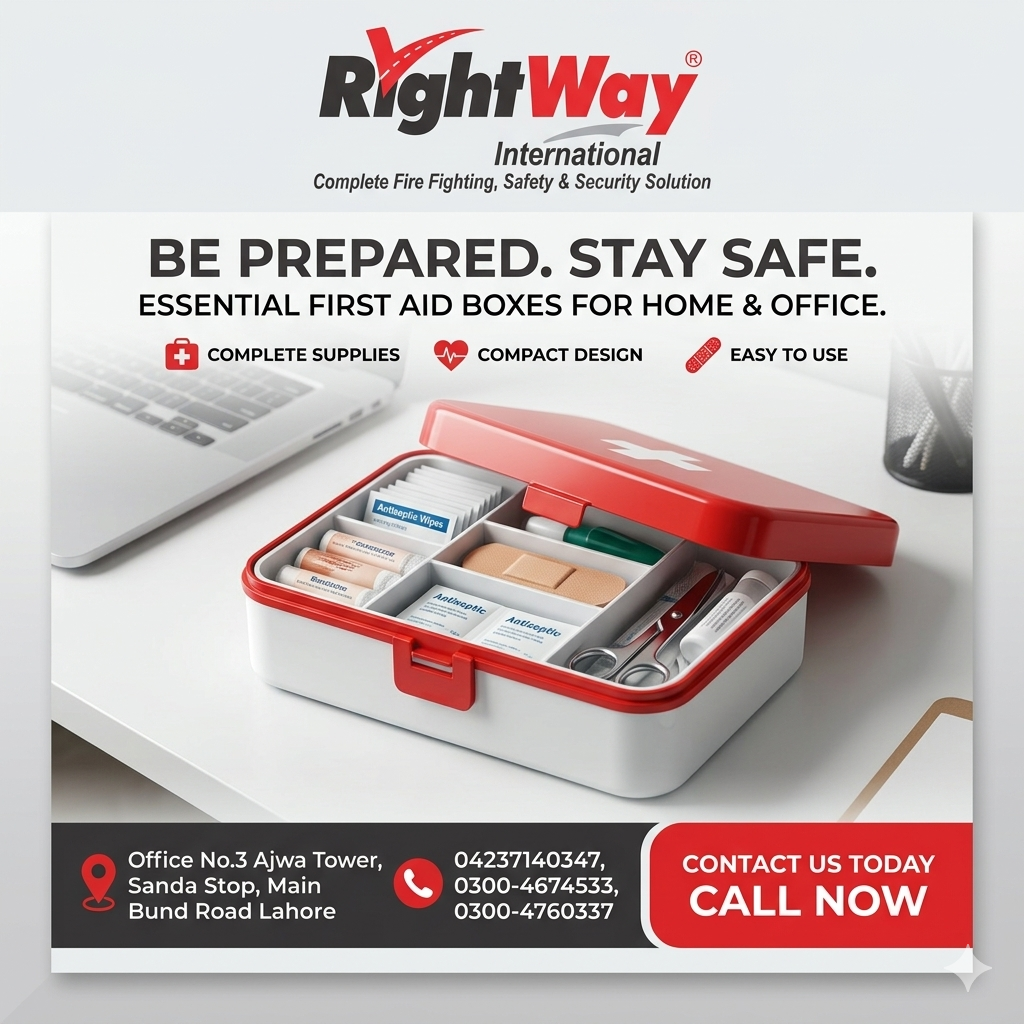
First Aid Box is an essential safety kit designed to provide immediate medical assistance and emergency treatment for minor injuries, accidents, and health emergencies before professional medical help arrives. It contains a variety of medical supplies, bandages, antiseptics, medications, and emergency care items that help reduce the severity of injuries and support rapid response during emergencies.
First aid boxes are widely used in workplaces, industrial facilities, construction sites, schools, hospitals, offices, homes, vehicles, warehouses, factories, offshore platforms, mining operations, marine vessels, laboratories, and public facilities to ensure quick access to basic medical treatment and improve safety preparedness.
Because workplace and public safety are critical, first aid boxes play a vital role in emergency response programs, occupational health and safety compliance, injury management, and accident prevention strategies. They help organizations meet safety regulations and standards established by Occupational Safety and Health Administration (OSHA), ISO, ANSI, HSE, and local occupational safety authorities.
What Is a First Aid Box?
A First Aid Box is a portable or wall-mounted container that stores medical supplies and emergency treatment equipment used to provide immediate care for injuries, wounds, burns, cuts, fractures, sprains, and other medical emergencies.
It is commonly used for:
- Workplace first aid
- Industrial safety programs
- Construction site safety
- Home emergency preparedness
- School health and safety
- Office safety management
- Vehicle emergency kits
- Factory medical response
- Warehouse safety operations
- Marine and offshore safety
- Mining emergency preparedness
- Laboratory safety programs
- Sports injury treatment
- Public facility emergency response
- Travel and outdoor activities
Key Components of a First Aid Box
A typical first aid box includes:
- Adhesive bandages
- Sterile gauze pads
- Medical tape
- Antiseptic wipes
- Alcohol swabs
- Cotton rolls
- Elastic bandages
- Triangular bandages
- Burn dressings
- Wound dressings
- Adhesive plasters
- Disposable gloves
- CPR face shield
- Scissors
- Tweezers
- Safety pins
- Instant cold packs
- Eye wash solution
- First aid manual
- Emergency contact information
- Pain relief medication
- Thermometer
- Hand sanitizer
- Emergency blanket
How a First Aid Box Works
A first aid box allows trained personnel or individuals to provide immediate care during emergencies.
Step 1: Emergency Assessment
Identify the nature and severity of the injury or medical condition.
Step 2: Access Medical Supplies
Select the appropriate first aid items required for treatment.
Step 3: Provide Initial Care
Apply bandages, antiseptics, dressings, or other supplies as needed.
Step 4: Stabilize the Injured Person
Help control bleeding, prevent infection, and reduce further injury.
Step 5: Seek Professional Medical Assistance
Contact emergency medical services if advanced treatment is required.
Types of First Aid Boxes
1. Workplace First Aid Box
Designed to meet occupational safety requirements for offices and workplaces.
2. Industrial First Aid Box
Contains additional supplies for high-risk industrial environments.
3. Construction Site First Aid Box
Equipped to handle injuries common on construction projects.
4. Vehicle First Aid Kit
Portable emergency kit for cars, trucks, buses, and commercial vehicles.
5. Home First Aid Box
Used for everyday household emergencies and minor injuries.
6. Marine First Aid Box
Specially designed for ships, boats, and offshore operations.
7. Travel First Aid Kit
Compact kit suitable for travel, camping, and outdoor activities.
8. School First Aid Box
Provides essential medical supplies for students and staff.
Common Applications of First Aid Boxes
First aid boxes are widely used in:
- Offices and commercial buildings
- Industrial manufacturing facilities
- Construction sites
- Educational institutions
- Hospitals and clinics
- Warehouses and logistics centers
- Oil and gas facilities
- Mining operations
- Marine vessels
- Airports and transportation hubs
- Hotels and hospitality facilities
- Sports facilities
- Government buildings
- Retail stores
- Residential properties
Importance of First Aid Boxes in Safety Systems
First aid boxes are a critical component of emergency preparedness and workplace safety.
Key Benefits:
- Provides immediate emergency treatment
- Helps reduce injury severity
- Supports rapid medical response
- Controls bleeding and wounds
- Minimizes infection risks
- Enhances workplace safety
- Improves emergency preparedness
- Supports compliance with safety regulations
- Protects employee health
- Promotes safer working environments
Technical Specifications
| Specification | Details |
|---|---|
| Equipment Type | First Aid Box |
| Function | Emergency Medical Treatment |
| Material | Plastic, Metal, ABS, Aluminum |
| Mounting Type | Portable or Wall Mounted |
| Application | Workplace, Industrial, Home, Vehicle |
| Contents | Medical Supplies and Emergency Items |
| Standards | OSHA, ANSI, ISO, HSE |
| Portability | Fixed or Portable |
| Maintenance Requirement | Regular Inspection and Replenishment |
| Usage | Emergency Response and First Aid |
Key Features and Advantages of First Aid Boxes
Comprehensive Medical Supplies
Contains essential items for treating common injuries and emergencies.
Easy Accessibility
Provides quick access during emergency situations.
Durable Construction
Designed to withstand industrial and workplace environments.
Organized Storage
Compartments help users locate supplies quickly.
Portable Design
Easy to transport during emergencies.
Regulatory Compliance
Supports occupational health and safety requirements.
Emergency Preparedness
Improves readiness for accidents and injuries.
Cost-Effective Safety Solution
Reduces the impact of workplace incidents through immediate treatment.
How to Select the Right First Aid Box
1. Assess Workplace Risks
Identify hazards and injury types that may occur.
2. Determine Workforce Size
Select a kit suitable for the number of employees.
3. Verify Regulatory Requirements
Ensure compliance with OSHA, ANSI, ISO, and local regulations.
4. Check Contents
Confirm the kit contains appropriate medical supplies.
5. Consider Portability
Choose portable or wall-mounted options based on operational needs.
Best Practices for Using a First Aid Box
- Inspect contents regularly
- Replace expired items immediately
- Replenish used supplies promptly
- Store in accessible locations
- Train employees in first aid procedures
- Conduct routine safety inspections
- Maintain inventory records
- Clearly label first aid stations
- Keep emergency contacts available
- Follow workplace safety procedures
Industries That Use First Aid Boxes
- Manufacturing industry
- Construction industry
- Oil and gas sector
- Mining operations
- Warehousing and logistics
- Marine and shipping companies
- Healthcare facilities
- Educational institutions
- Government organizations
- Hospitality industry
- Transportation companies
- Utility providers
- Retail businesses
- Emergency response agencies
- Pharmaceutical manufacturing facilities
Importance of OSHA and Safety Compliance
First aid boxes help organizations comply with workplace safety regulations by ensuring:
- Immediate access to emergency medical supplies
- Improved injury response procedures
- Enhanced employee protection
- Better workplace safety management
- Reduced accident severity
- Increased emergency preparedness
- Support for occupational health programs
- Compliance with safety standards
Difference Between a First Aid Box and Medical Emergency Kit
| Feature | First Aid Box | Medical Emergency Kit |
| Purpose | Basic Emergency Care | Advanced Medical Response |
| Contents | Standard First Aid Supplies | Specialized Medical Equipment |
| Workplace Use | Common | Specialized |
| Portability | High | Moderate |
| Cost | Lower | Higher |
| Training Required | Basic First Aid | Advanced Medical Knowledge |
| Regulatory Requirement | Widely Required | Situation Dependent |
Frequently Asked Questions (FAQs)
What is a First Aid Box used for?
A first aid box is used to provide immediate treatment for injuries, wounds, burns, and medical emergencies before professional medical assistance arrives.
What should be included in a First Aid Box?
Common contents include bandages, gauze, antiseptics, gloves, scissors, medical tape, burn dressings, CPR masks, and emergency supplies.
Why is a First Aid Box important in workplaces?
It enables rapid treatment of injuries, reduces incident severity, and supports workplace safety compliance.
How often should a First Aid Box be inspected?
First aid boxes should be inspected regularly and restocked whenever supplies are used or expired.
Where should a First Aid Box be located?
It should be placed in easily accessible, clearly marked locations throughout the workplace or facility.
Conclusion
A First Aid Box is one of the most important components of workplace safety, emergency preparedness, and health protection programs. By providing immediate access to medical supplies and emergency treatment equipment, first aid boxes help reduce injury severity, improve response times, and enhance overall safety performance.
Whether used in industrial facilities, offices, construction sites, schools, healthcare environments, transportation operations, or homes, a properly stocked and maintained first aid box plays a crucial role in protecting lives, supporting compliance, and ensuring readiness for unexpected emergencies.