

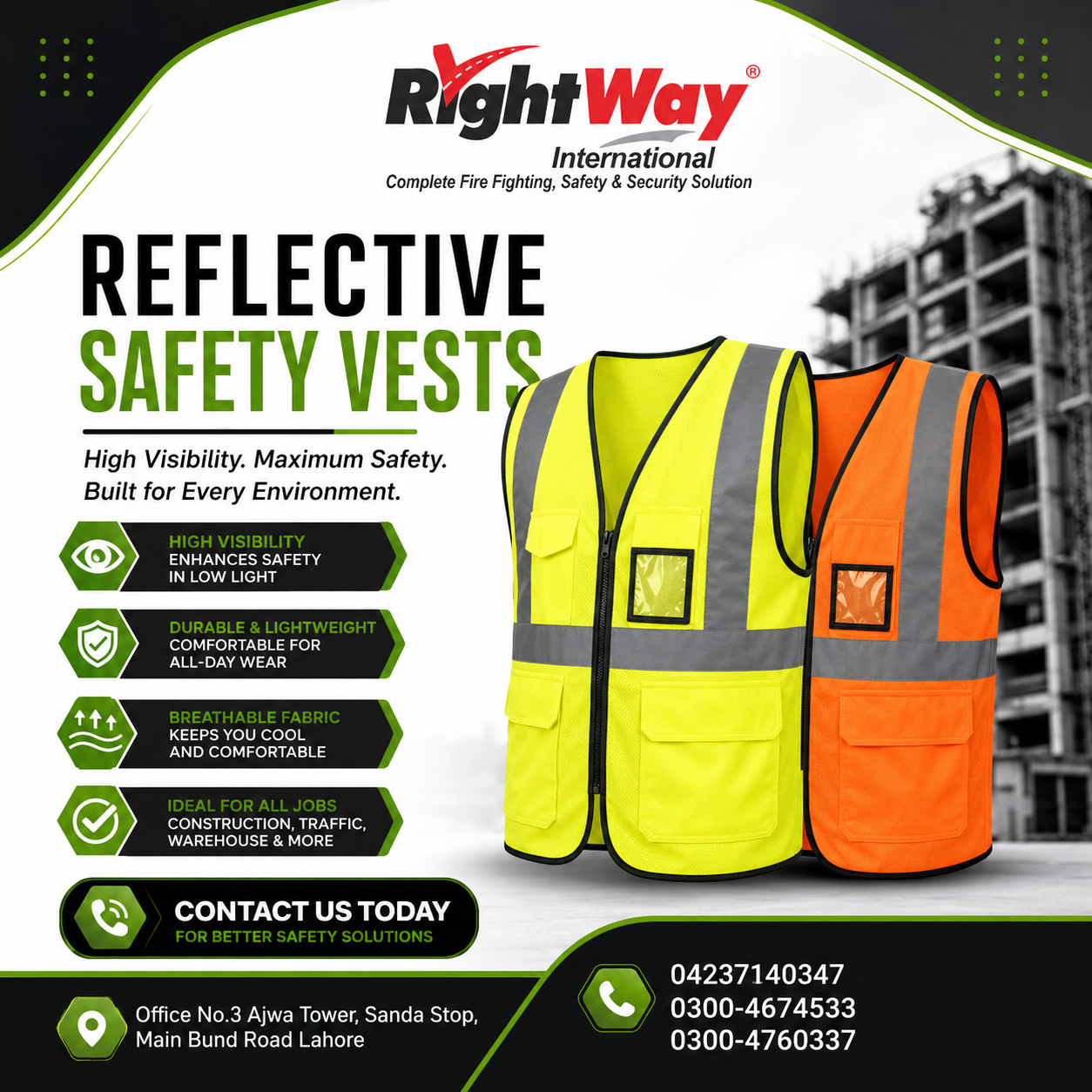
Reflective Safety Vests are essential personal protective equipment designed to improve the visibility of workers, traffic personnel, construction crews, emergency responders, warehouse staff, and other people working around vehicles or in low-light environments. By using bright fluorescent materials and reflective strips, these vests help make the wearer more noticeable to drivers, machinery operators, and other workers.
Furthermore, reflective safety vests provide a simple and practical way to improve worker visibility without restricting movement. They are commonly used on construction sites, highways, roadwork areas, factories, warehouses, airports, parking facilities, logistics centers, and emergency-response locations.
Modern reflective safety vests are available in different colors, materials, sizes, designs, and visibility configurations. Therefore, organizations can select a suitable vest according to the working environment, weather conditions, job requirements, visibility needs, and applicable workplace-safety requirements.
What Are Reflective Safety Vests?
Reflective Safety Vests are high-visibility garments designed to make the wearer easier to see. They typically combine fluorescent-colored fabric with reflective strips or bands that reflect light toward its source.
Manufacturers commonly produce safety vests using lightweight polyester mesh, polyester fabric, breathable materials, or other durable textiles. Moreover, many designs include reflective tape around the chest, waist, shoulders, and back.
Common fluorescent colors include:
- Yellow
- Lime green
- Orange
- Fluorescent orange
- High-visibility yellow
Reflective strips commonly appear in silver or other highly reflective materials. Consequently, the combination of fluorescent fabric and reflective elements can improve visibility during both daytime and nighttime operations.
Reflective safety vests are commonly used for:
- Construction workers
- Road workers
- Traffic control personnel
- Highway maintenance crews
- Warehouse employees
- Factory workers
- Security personnel
- Parking attendants
- Emergency responders
- Surveying teams
- Railway workers
- Airport ground staff
- Delivery personnel
- Logistics workers
- Utility workers
- Event staff
- Municipal workers
Why Are Reflective Safety Vests Important?
Workers who operate near moving vehicles, heavy machinery, or traffic can face increased visibility risks. Therefore, organizations should use appropriate high-visibility clothing where workplace conditions require it.
A reflective safety vest creates a visual contrast between the wearer and the surrounding environment. As a result, drivers and machinery operators can identify workers more easily.
For example, a road worker wearing a high-visibility vest can become more noticeable against asphalt, vehicles, construction equipment, and roadside surroundings.
Similarly, warehouse workers can wear reflective vests when forklifts, pallet trucks, delivery vehicles, and pedestrians share the same working environment.
Moreover, reflective safety vests can provide additional visibility during dawn, dusk, nighttime work, foggy conditions, indoor industrial operations, and poorly lit areas.
How Do Reflective Safety Vests Work?
Reflective safety vests use two main visibility elements: fluorescent fabric and reflective material.
Step 1: Fluorescent Fabric Improves Daytime Visibility
First, the bright fluorescent fabric creates strong visual contrast against the surrounding environment. Therefore, workers can remain easier to identify during daylight and normal working conditions.
Step 2: Reflective Strips Improve Low-Light Visibility
Next, reflective strips reflect light from headlights, lamps, and other sources back toward the source. Consequently, the wearer becomes more noticeable in low-light environments.
Step 3: Strategic Strip Placement Improves Recognition
Manufacturers often place reflective strips around the torso, shoulders, waist, and back. This arrangement helps create a recognizable human outline.
Step 4: Proper Fit Keeps the Vest Visible
Finally, the vest should fit correctly and remain clearly visible over the worker’s clothing. A properly fitted vest can maintain its intended visibility while allowing comfortable movement.
Types of Reflective Safety Vests
Different workplaces require different high-visibility clothing solutions. Therefore, reflective safety vests are available in several designs.
1. High Visibility Safety Vests
High visibility safety vests use fluorescent fabric and reflective strips to improve worker visibility. They can suit construction, road maintenance, warehouse, industrial, and utility applications.
2. Mesh Reflective Safety Vests
Mesh safety vests use breathable mesh fabric. Therefore, they can provide better airflow in hot environments.
They are particularly useful for outdoor construction, roadwork, traffic control, and other warm-weather applications.
3. Heavy-Duty Reflective Safety Vests
Heavy-duty vests use stronger materials and construction. As a result, they can provide better durability for demanding industrial, construction, logistics, and maintenance environments.
4. Class-Based High-Visibility Vests
Some safety vests follow recognized high-visibility garment classifications. These classifications help organizations select garments according to the level of visibility required by the work environment.
However, organizations should always verify the applicable standard and garment certification before purchasing.
5. Reflective Traffic Safety Vests
Traffic safety vests help make road workers, traffic controllers, parking attendants, and traffic-management personnel more visible around moving vehicles.
6. Construction Safety Vests
Construction safety vests provide high visibility for workers operating around construction equipment, trucks, cranes, excavators, and other machinery.
7. Security Safety Vests
Security personnel can use reflective vests when they work around parking areas, roadways, events, construction sites, or vehicle entrances.
8. Emergency Safety Vests
Emergency responders and support teams can use high-visibility vests to improve identification and visibility during roadside incidents, disaster-response operations, and other emergency situations.
9. Custom Reflective Safety Vests
Custom safety vests can include company logos, department names, worker identification, or other approved markings.
Therefore, businesses can use customized vests for branding while maintaining the visibility features required for the application.
10. Two-Tone Reflective Safety Vests
Two-tone designs combine different fluorescent colors or contrasting sections. Consequently, they can provide a distinctive professional appearance while maintaining high visibility.
Common Applications of Reflective Safety Vests
Reflective safety vests serve many industries and working environments.
Construction Sites
Construction workers often operate near moving vehicles, cranes, excavators, trucks, and heavy equipment. Therefore, high-visibility vests can help workers remain noticeable within busy work zones.
They are commonly used by:
- Construction workers
- Site supervisors
- Engineers
- Surveyors
- Machine operators
- Safety officers
- Maintenance teams
- Site visitors
Road Construction and Highway Work
Road workers operate close to moving traffic. Consequently, visibility becomes especially important.
Reflective safety vests can help identify:
- Road construction workers
- Highway maintenance crews
- Traffic controllers
- Surveyors
- Utility workers
- Road inspectors
- Traffic-management personnel
Warehouses
Warehouses often contain forklifts, pallet trucks, trucks, storage systems, and pedestrians. Therefore, workers can use reflective vests to improve their visibility within shared traffic areas.
Factories
Factories can use reflective safety vests around production areas, loading zones, maintenance areas, internal vehicle routes, and industrial traffic paths.
Airports
Airport ground staff operate around aircraft, service vehicles, baggage equipment, and other moving machinery. Therefore, high-visibility clothing can help personnel remain noticeable in busy airside environments.
Parking Facilities
Parking attendants, security personnel, maintenance workers, and traffic-control staff can use reflective safety vests to improve their visibility around moving vehicles.
Railway Work
Railway maintenance and track workers often operate in environments where visibility and clear worker identification are important. Therefore, suitable high-visibility garments can support safer work practices.
Emergency Response
Emergency personnel may work around damaged vehicles, roads, emergency vehicles, and nighttime incidents. Consequently, reflective vests can help make responders easier to identify.
Logistics and Delivery
Delivery drivers, warehouse teams, loading crews, and logistics workers can use reflective vests around loading docks and vehicle movement areas.
Key Features of High-Quality Reflective Safety Vests
When selecting reflective safety vests, buyers should consider several important features.
High-Visibility Fabric
Quality vests use bright fluorescent materials designed to provide strong contrast against the surrounding environment.
Reflective Tape
Reflective tape helps improve visibility when light reaches the vest. Therefore, high-quality reflective strips should remain securely attached and maintain their reflective performance.
Breathable Fabric
Mesh and breathable materials can improve airflow. As a result, workers can remain more comfortable during long shifts and warm weather.
Lightweight Construction
A lightweight vest allows workers to move comfortably while performing physical tasks.
Durable Stitching
Strong stitching helps prevent seams from opening during repeated use, washing, and workplace activity.
Secure Fastening
Many safety vests use zippers, hook-and-loop closures, snaps, or other fastening systems. A secure closure helps keep the vest correctly positioned.
Multiple Pockets
Some professional safety vests include pockets for pens, identification cards, mobile phones, tools, radios, and other small workplace items.
Adjustable Design
Adjustable features can help workers achieve a better fit over different clothing layers.
Washable Material
Workers may need to clean their safety vests regularly. Therefore, buyers should select materials that can withstand appropriate cleaning procedures without losing their visibility features.
Reflective Front and Back Design
Reflective elements on both the front and back help improve visibility from different directions.
Shoulder Reflective Strips
Shoulder strips can make the wearer’s upper body more recognizable, particularly in low-light conditions.
Benefits of Reflective Safety Vests
Reflective safety vests provide several practical benefits.
- Improve worker visibility
- Increase visibility around moving vehicles
- Support construction-site safety
- Improve road-worker identification
- Help identify traffic-control personnel
- Support warehouse safety
- Improve industrial worker visibility
- Increase visibility during nighttime work
- Provide better visibility in low-light areas
- Support emergency-response operations
- Provide lightweight personal protection
- Allow comfortable movement
- Offer professional worker identification
- Support workplace traffic management
- Suit multiple industries and applications
Furthermore, reflective safety vests work best as part of a broader workplace-safety program that includes appropriate training, traffic management, lighting, signage, barriers, and other required PPE.
Reflective Safety Vests for Daytime and Nighttime Visibility
Visibility requirements can change significantly between daylight and nighttime operations.
During the day, fluorescent materials help create strong contrast with the background. However, fluorescent colors do not provide the same visibility benefit in darkness.
At night, reflective strips become particularly important because they reflect light from vehicle headlights and other light sources.
Therefore, workers operating during both day and night should use suitable high-visibility garments that provide the visibility features required for their environment.
How to Choose the Right Reflective Safety Vest
Selecting the right safety vest requires careful consideration of the workplace.
1. Assess the Working Environment
First, determine where workers will use the vest. Construction sites, highways, warehouses, factories, airports, and emergency-response locations can have different visibility requirements.
2. Consider Day or Night Work
Next, determine whether workers operate during daylight, nighttime, or both. Nighttime work generally requires appropriate reflective elements.
3. Select the Appropriate Color
Choose a fluorescent color that provides suitable contrast with the work environment. Common options include fluorescent yellow, lime green, and orange.
4. Check Reflective Coverage
Evaluate the placement and amount of reflective material. Front, back, waist, and shoulder coverage can help improve visibility from different directions.
5. Consider Weather Conditions
For outdoor work, choose materials that can withstand heat, rain, sunlight, humidity, and other environmental conditions.
6. Consider Breathability
For hot environments, breathable mesh fabric can improve airflow and worker comfort.
7. Check the Fit
The vest should fit comfortably over the worker’s normal clothing without restricting movement.
8. Check Certifications and Standards
Before purchasing, verify the applicable high-visibility clothing standard, certification, garment class, and intended application.
9. Consider Additional Features
Depending on the job, useful features may include pockets, ID holders, zippers, adjustable sides, radio loops, and custom identification markings.
Best Practices for Using Reflective Safety Vests
Proper use helps workers maintain the visibility benefits of their garments.
- Select the correct vest for the work environment
- Wear the vest correctly
- Keep reflective strips visible
- Do not cover reflective sections with equipment or clothing
- Keep the vest clean
- Inspect the vest regularly
- Replace damaged garments
- Replace heavily faded garments
- Check reflective material for wear
- Follow manufacturer cleaning instructions
- Select suitable sizes
- Avoid unnecessary modifications
- Store vests properly when not in use
- Follow workplace PPE requirements
Moreover, supervisors should regularly check whether workers continue to wear the appropriate high-visibility clothing during required operations.
Reflective Safety Vest Maintenance
Regular maintenance helps preserve the appearance and visibility of safety vests.
Inspect reflective safety vests for:
- Torn fabric
- Broken stitching
- Damaged reflective tape
- Peeling reflective material
- Faded fluorescent fabric
- Broken zippers
- Damaged fasteners
- Missing pockets
- Excessive dirt
- Chemical contamination
- Oil stains
- General material deterioration
Furthermore, follow the manufacturer’s washing instructions. Excessive heat, unsuitable chemicals, or incorrect washing procedures can damage reflective materials.
If a vest no longer provides adequate visibility, replace it promptly.
Reflective Safety Vests for Construction Workers
Construction environments contain multiple hazards, including moving vehicles, heavy machinery, elevated work areas, materials, and changing traffic routes.
Therefore, construction companies can provide suitable reflective safety vests to:
- Construction workers
- Engineers
- Site supervisors
- Surveyors
- Safety officers
- Machine operators
- Maintenance workers
- Visitors
In addition, organizations can use different vest colors or markings to identify specific teams or responsibilities where their workplace procedures permit.
Reflective Safety Vests for Road Workers
Road workers often operate close to moving traffic. Therefore, high visibility remains an important consideration.
Reflective safety vests can help drivers recognize road workers during:
- Road construction
- Highway maintenance
- Lane maintenance
- Road inspections
- Traffic control
- Utility work
- Emergency repairs
- Roadside maintenance
Moreover, organizations should combine high-visibility clothing with appropriate barriers, cones, warning signs, lighting, and traffic-management procedures.
Reflective Safety Vests for Warehouse Workers
Warehouses often combine pedestrian activity with forklifts and other vehicles. Consequently, clear worker visibility can support better traffic organization.
Reflective vests can help identify workers around:
- Loading docks
- Forklift routes
- Storage areas
- Warehouse entrances
- Dispatch areas
- Delivery zones
- Internal traffic routes
However, reflective clothing does not replace forklift safety procedures, pedestrian separation, operator training, or other required workplace controls.
Reflective Safety Vests in Industrial Facilities
Industrial facilities may contain heavy vehicles, machinery, loading operations, maintenance activities, and complex traffic routes.
Therefore, suitable high-visibility clothing can help identify workers around:
- Factories
- Warehouses
- Manufacturing plants
- Logistics centers
- Loading docks
- Maintenance areas
- Vehicle routes
- Industrial compounds
As a result, reflective vests can form part of a broader industrial workplace-safety system.
Reflective Safety Vests for Emergency Responders
Emergency responders may work around traffic, damaged vehicles, emergency equipment, and unpredictable conditions.
Therefore, high-visibility vests can help identify personnel during roadside incidents, emergency repairs, traffic incidents, and other response operations.
Reflective garments can be particularly useful during:
- Nighttime emergencies
- Roadside incidents
- Vehicle breakdowns
- Accident response
- Disaster-response operations
- Emergency maintenance
Reflective Safety Vests vs Regular Safety Vests
Although both garments can provide basic worker identification, reflective safety vests offer additional visibility features.
| Feature | Reflective Safety Vests | Regular Safety Vests |
|---|---|---|
| Fluorescent Fabric | Usually Yes | May Vary |
| Reflective Strips | Yes | May Not Include |
| Nighttime Visibility | Higher | Generally Lower |
| Daytime Visibility | High | Depends on Color |
| Traffic Applications | Suitable | Depends on Design |
| Construction Use | Suitable | Depends on Design |
| Low-Light Work | More Suitable | Limited |
| Worker Identification | Yes | Yes |
Therefore, organizations working around vehicles or during low-light conditions should consider safety vests with appropriate reflective features.
Reflective Safety Vests vs Reflective Jackets
Reflective vests and reflective jackets can both improve worker visibility. However, each design suits different working conditions.
| Feature | Reflective Safety Vests | Reflective Safety Jackets |
| Weight | Generally Lightweight | Generally Heavier |
| Breathability | Usually Higher | Depends on Material |
| Warm Weather | More Suitable | May Be Less Suitable |
| Cold Weather | Limited Protection | Better Protection |
| Layering | Easy Over Clothing | Designed as Outerwear |
| Visibility | High with Reflective Elements | High with Reflective Elements |
| Rain Protection | Usually Limited | Available in Waterproof Designs |
Therefore, buyers should select between a vest and jacket according to temperature, weather conditions, work duration, and PPE requirements.
Reflective Safety Vests in Pakistan
In Pakistan, organizations use reflective safety vests across construction sites, highways, factories, warehouses, industrial facilities, airports, logistics centers, parking areas, security operations, roadwork projects, and emergency-response activities.
When selecting reflective safety vests in Pakistan, buyers should consider fabric quality, fluorescent color, reflective tape, garment size, breathability, durability, weather conditions, intended application, cleaning requirements, and applicable safety standards.
Furthermore, companies should select garments that match the specific visibility requirements of their workers and work environment.
Technical Specifications
| Specification | Typical Details |
| Equipment Type | Reflective Safety Vest |
| Primary Function | High Visibility and Worker Identification |
| Common Materials | Polyester, Mesh Polyester, Breathable Fabric |
| Common Colors | Fluorescent Yellow, Lime Green, Orange |
| Reflective Material | Reflective Tape or Reflective Strips |
| Design | Standard, Mesh, Heavy-Duty, Custom, Multi-Pocket |
| Closure | Zipper, Hook-and-Loop, Snap, or Adjustable |
| Visibility | Daytime and Reflective Low-Light Visibility |
| Applications | Construction, Roads, Warehouses, Factories, Logistics |
| Weather Options | Breathable and Outdoor-Grade Designs |
| Additional Features | Pockets, ID Holders, Radio Loops, Custom Branding |
| Main Benefit | Improved Worker Visibility |
Frequently Asked Questions
What are Reflective Safety Vests used for?
Reflective safety vests improve worker visibility around vehicles, machinery, roads, construction sites, warehouses, factories, and other environments where workers need to remain easily noticeable.
What are reflective safety vests made from?
Manufacturers commonly use polyester, polyester mesh, breathable textiles, and other durable fabrics. Reflective tape or strips provide additional visibility in low-light conditions.
Why are safety vests fluorescent?
Fluorescent colors create strong visual contrast during daylight. Therefore, they can make workers easier to identify against common workplace backgrounds.
Why do reflective safety vests have silver strips?
Reflective strips can reflect light back toward its source. Consequently, they can help drivers identify workers when vehicle headlights illuminate the vest.
Are reflective safety vests suitable for nighttime work?
Yes. Reflective safety vests can improve visibility during nighttime work when they contain suitable reflective materials. However, organizations should select garments according to the applicable workplace requirements.
Where can reflective safety vests be used?
They can be used in construction sites, roadwork areas, highways, factories, warehouses, airports, parking facilities, logistics centers, industrial facilities, emergency-response operations, and other suitable workplaces.
Are mesh reflective safety vests suitable for hot weather?
Mesh vests can provide increased airflow compared with some solid fabrics. Therefore, they can be a practical choice for hot outdoor environments, depending on the required safety specifications.
Can reflective safety vests be customized?
Yes. Some manufacturers offer custom printing, logos, identification markings, department names, or other workplace-specific features. However, customization should not cover or compromise required reflective areas.
How often should reflective safety vests be replaced?
Replacement depends on the garment’s condition, frequency of use, washing, environmental exposure, and manufacturer guidance. Replace a vest when its fluorescent fabric becomes excessively faded or its reflective material becomes damaged or ineffective.
How should reflective safety vests be cleaned?
Always follow the manufacturer’s care instructions. In particular, avoid cleaning methods or chemicals that can damage fluorescent fabric, reflective tape, stitching, or other garment components.
Why Are Road Safety Barriers Important?
Uncontrolled vehicle movement can create serious risks for pedestrians, workers, vehicles, buildings, machinery, and other infrastructure. Therefore, organizations need effective systems to guide vehicles and separate them from vulnerable areas.
Road safety barriers provide a visible and physical boundary. Consequently, they help drivers recognize restricted areas and follow designated traffic routes.
For example, a construction company can install barriers around excavation zones, machinery, roadwork areas, and temporary work zones. Similarly, a warehouse can use barriers to separate forklifts from pedestrian walkways. Read More