




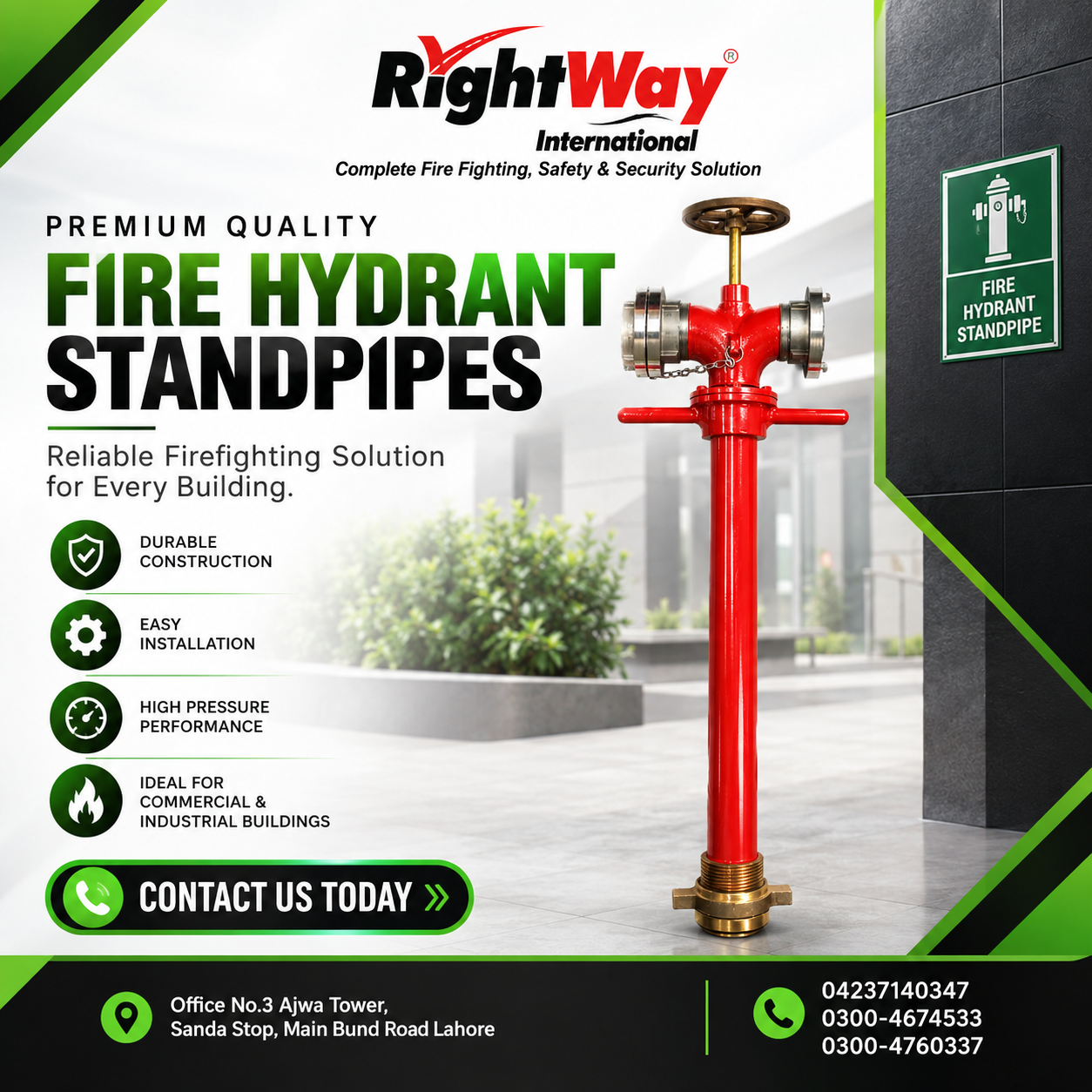
Fire Hydrant Standpipe: Types Uses Benefits & Buying Guide is an important part of a fire protection system. It provides a reliable connection for firefighters and trained personnel to access water during a fire emergency. Moreover, standpipes support efficient water delivery in commercial, industrial, and high-rise buildings.
What Is a Fire Hydrant Standpipe?
A Fire Hydrant Standpipe is a vertical pipe assembly that connects a building or fire protection network to firefighting water supplies. It typically includes hose connections, valves, and other fittings.
Furthermore, the standpipe allows firefighters to connect hoses at convenient locations. As a result, they can deliver water quickly to areas affected by fire.
How Does a Fire Hydrant Standpipe Work?
A standpipe system carries pressurized water through dedicated piping. When firefighters need water, they connect a hose to the standpipe outlet and open the valve.
Therefore, the system provides a ready water connection close to the fire area. In high-rise buildings, standpipes can reduce the time and effort required to move long hose lines from ground level.
Types of Fire Hydrant Standpipes
1. Wet Standpipe
A wet standpipe normally contains water under pressure. Consequently, firefighters can access water quickly during an emergency.
2. Dry Standpipe
A dry standpipe normally remains empty until firefighters or emergency personnel supply water to the system. Therefore, it can suit locations where freezing conditions may affect water-filled pipes.
3. Automatic Standpipe
An automatic standpipe connects to a reliable water supply and can provide water when users operate the system.
4. Manual Standpipe
A manual standpipe requires firefighters to supply water to the system before use. Thus, it depends on an external water source and proper emergency procedures.
Where Are Fire Hydrant Standpipes Used?
Fire Hydrant Standpipes can serve many locations, including:
- High-rise buildings
- Commercial buildings
- Industrial facilities
- Warehouses
- Shopping centers
- Hospitals
- Parking structures
- Large residential buildings
- Factories and manufacturing plants
Because these buildings often have large or multi-level areas, standpipes help firefighters access firefighting water closer to the emergency.
Main Components of a Standpipe System
A typical Fire Hydrant Standpipe may include:
- Vertical standpipe
- Hose outlet
- Fire hydrant valve
- Control valve
- Pressure-regulating equipment
- Pipe fittings
- Fire hose connection
- Caps and chains
- Signage and identification
Each component supports safe and effective operation. Therefore, users should select compatible and quality components for the complete system.
Benefits of Fire Hydrant Standpipes
Fire Hydrant Standpipes offer several important benefits:
- Provide convenient hose connections
- Support faster firefighting operations
- Improve access to water in large buildings
- Reduce hose deployment distance
- Support high-rise firefighting
- Improve emergency preparedness
- Simplify fire protection system design
- Support regular inspection and testing
In addition, proper maintenance keeps the system ready when firefighters need it most.
Fire Hydrant Standpipe vs Fire Hydrant
| Feature | Fire Hydrant Standpipe | Fire Hydrant |
|---|---|---|
| Main purpose | Provides hose connections inside or around a building | Provides external water access |
| Common location | Buildings and vertical structures | Outdoor areas |
| Water connection | Hose outlet and valve | Hydrant outlets |
| Best use | Multi-level and large buildings | External firefighting operations |
| Operation | Trained personnel/firefighters | Firefighters |
Both systems support firefighting. However, they serve different installation and operational requirements.
Installation Considerations
Before installation, consider the building layout, required water supply, pipe size, outlet locations, operating pressure, and applicable fire safety requirements.
Furthermore, qualified fire protection professionals should design and install the system. Proper installation helps ensure reliable water flow and safe operation.
Maintenance and Inspection
Regular inspection keeps a Fire Hydrant Standpipe ready for emergencies. During maintenance, check:
- Valves and hose connections
- Pipe condition
- Pressure
- Signs of corrosion
- Leaks or physical damage
- Caps and fittings
- Accessibility of outlets
- System identification signs
Additionally, follow the inspection and testing requirements that apply to the specific building and system.
How to Choose a Fire Hydrant Standpipe
Before purchasing, consider these factors:
- Standpipe Type: Select wet, dry, automatic, or manual according to the system design.
- Material: Choose durable materials suitable for the installation environment.
- Outlet Size: Match the connection with the required fire hose and equipment.
- Pressure Rating: Select components that meet the system’s pressure requirements.
- Corrosion Resistance: Consider corrosion-resistant materials for demanding environments.
- Quality: Choose reliable products from an established manufacturer or supplier.
- Compliance: Check applicable fire protection standards and project requirements.
Fire Hydrant Standpipe in Pakistan
Fire Hydrant Standpipes play an important role in fire protection systems across Pakistan. Commercial buildings, factories, warehouses, hospitals, and high-rise projects may use standpipe systems as part of their overall fire safety planning.
When purchasing a Fire Hydrant Standpipe in Pakistan, consider product quality, material, connection size, pressure rating, system compatibility, and supplier support.
Common Mistakes to Avoid
Avoid these common mistakes:
- Choosing the wrong outlet size
- Ignoring pressure requirements
- Using low-quality components
- Blocking access to hose outlets
- Skipping regular inspections
- Installing incompatible fittings
- Ignoring corrosion or leakage
- Failing to follow the system design
Therefore, always match the standpipe components with the approved fire protection system.
FAQs
What is a Fire Hydrant Standpipe?
It is a vertical firefighting pipe system that provides hose connections and access to water for firefighting operations.
Where are standpipes commonly used?
They are commonly used in high-rise buildings, commercial properties, industrial facilities, warehouses, hospitals, and large structures.
What is the difference between a wet and dry standpipe?
A wet standpipe normally contains pressurized water, while a dry standpipe remains empty until firefighters supply water.
How often should a standpipe system be inspected?
Inspection and testing should follow the applicable fire protection requirements and the specific system design.
Can a standpipe be used with a fire hose?
Yes. Firefighters can connect compatible fire hoses to standpipe outlets for firefighting operations.
A Fire Hydrant Standpipe provides an effective way to access firefighting water, especially in large and multi-level buildings. Moreover, the right design, quality components, proper installation, and regular maintenance help keep the system reliable.
Choose a standpipe that matches your building’s fire protection requirements and always follow applicable safety standards.