




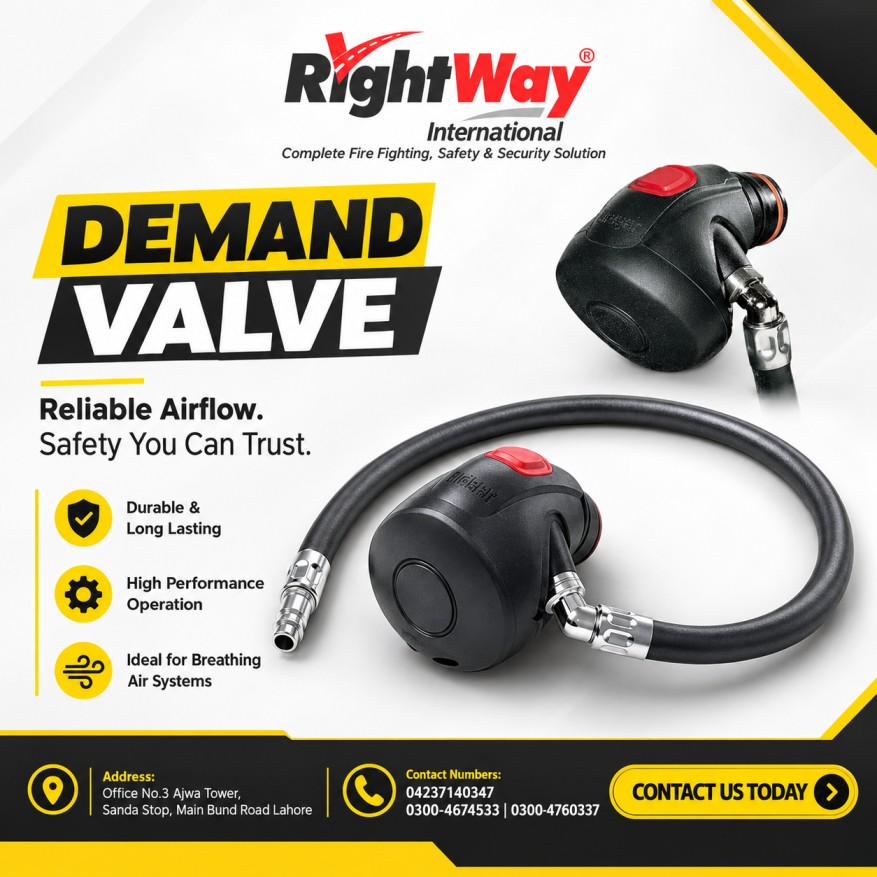
Scuba Demand Valve Types Uses and Benefits These Valves plays an important role in underwater breathing systems by delivering breathing air to divers when they inhale. It works as part of a scuba regulator system and helps divers breathe comfortably while exploring underwater environments. Scuba demand valves are commonly used in recreational diving, professional diving, underwater inspection, and marine operations.
Unlike a continuous-flow air system, a demand valve supplies air according to the diver’s breathing requirements. Therefore, it helps deliver breathing air efficiently when connected to a compatible scuba regulator and air supply. However, divers must use approved equipment, follow manufacturer instructions, and receive proper training before entering the water.
Main Types of Scuba Demand Valves
1. Standard Scuba Demand Valves
Standard scuba demand valves deliver breathing air when the diver inhales. They are commonly used in recreational scuba diving and underwater activities. Moreover, their compact design allows divers to breathe through a mouthpiece while moving underwater.
2. Balanced Demand Valves
Balanced demand valves help maintain consistent breathing performance as cylinder pressure and surrounding water pressure change. Consequently, they can provide a smoother breathing experience under varying diving conditions.
3. Unbalanced Demand Valves
Unbalanced demand valves use a simpler mechanism that may be more affected by changes in supply pressure. Depending on the design, they can be suitable for specific diving applications. However, divers should select equipment according to the intended depth, operating conditions, and manufacturer specifications.
4. Environmentally Sealed Demand Valves
Some demand valves feature environmental sealing to help protect internal components from water, contaminants, and cold conditions. These designs can be useful in suitable cold-water diving applications. However, their performance depends on the specific model and its operating limitations.
Where Are Scuba Demand Valves Used?
Scuba demand valves support underwater breathing in a range of professional and recreational activities.
- Recreational Diving: Helps divers breathe underwater during approved scuba diving activities.
- Commercial Diving: Supports underwater inspection, maintenance, and other professional diving operations.
- Marine Maintenance: Assists trained divers working on suitable underwater structures and equipment.
- Underwater Inspection: Provides breathing air during inspections of submerged pipelines, vessels, and other structures.
- Professional Diving Training: Helps students learn underwater breathing techniques under qualified supervision.
Therefore, selecting a suitable demand valve is essential for reliable underwater breathing.
Benefits of Scuba Demand Valves
Scuba demand valves offer several important benefits when used as part of a compatible diving system.
1. Breathing on Demand
The valve supplies air when the diver inhales, helping deliver breathing gas according to the diver’s breathing requirements.
2. Efficient Air Delivery
A properly functioning demand valve delivers breathing air from the scuba regulator system without requiring continuous free-flow delivery during normal breathing.
3. Comfortable Breathing
A suitable valve design can reduce breathing effort and improve comfort during diving. However, actual performance depends on the regulator design, depth, maintenance, and operating conditions.
4. Compact Design
Many scuba demand valves feature a compact construction that makes them convenient to use with compatible diving equipment.
5. Support for Underwater Operations
Demand valves help trained divers carry out recreational and professional underwater activities when used with an appropriate breathing system.
How to Choose the Right Scuba Demand Valve
Choosing the correct demand valve requires careful consideration of the diving application.
1. Check Compatibility
First, ensure that the demand valve is compatible with the regulator, breathing-air supply, hose connections, and other diving equipment.
2. Consider Diving Conditions
Next, consider the expected depth, water temperature, and intended diving activity. Different conditions may require different regulator features.
3. Review Breathing Performance
Check the manufacturer’s specifications for breathing performance, operating limits, and suitability for the intended application.
4. Inspect and Maintain the Equipment
Finally, follow the manufacturer’s servicing schedule. Inspect hoses, connections, mouthpieces, and other components, and arrange professional servicing when required.
Frequently Asked Questions
1. What is a scuba demand valve?
A scuba demand valve is a component of a diving regulator that delivers breathing air when a diver inhales.
2. How does a scuba demand valve work?
When a diver inhales through the mouthpiece, the valve responds to the breathing demand and supplies air from the connected regulator system.
3. What is the difference between a demand valve and a continuous-flow system?
A demand valve supplies air in response to inhalation, whereas a continuous-flow system delivers air continuously at its designed flow rate.
4. Where are scuba demand valves used?
They are used in recreational diving, commercial diving, underwater inspections, marine maintenance, and professional diving training.
5. How often should a scuba demand valve be serviced?
Follow the manufacturer’s recommended service intervals and inspection procedures. Service requirements depend on the model and its operating conditions.
6. Where can I buy scuba demand valves in Pakistan?
Contact RightWay International to inquire about scuba demand valves and related breathing equipment. Confirm product availability, specifications, and compatibility before purchasing.
Scuba demand valves are important components of underwater breathing systems. They deliver air according to the diver’s breathing requirements and support a wide range of diving activities.