




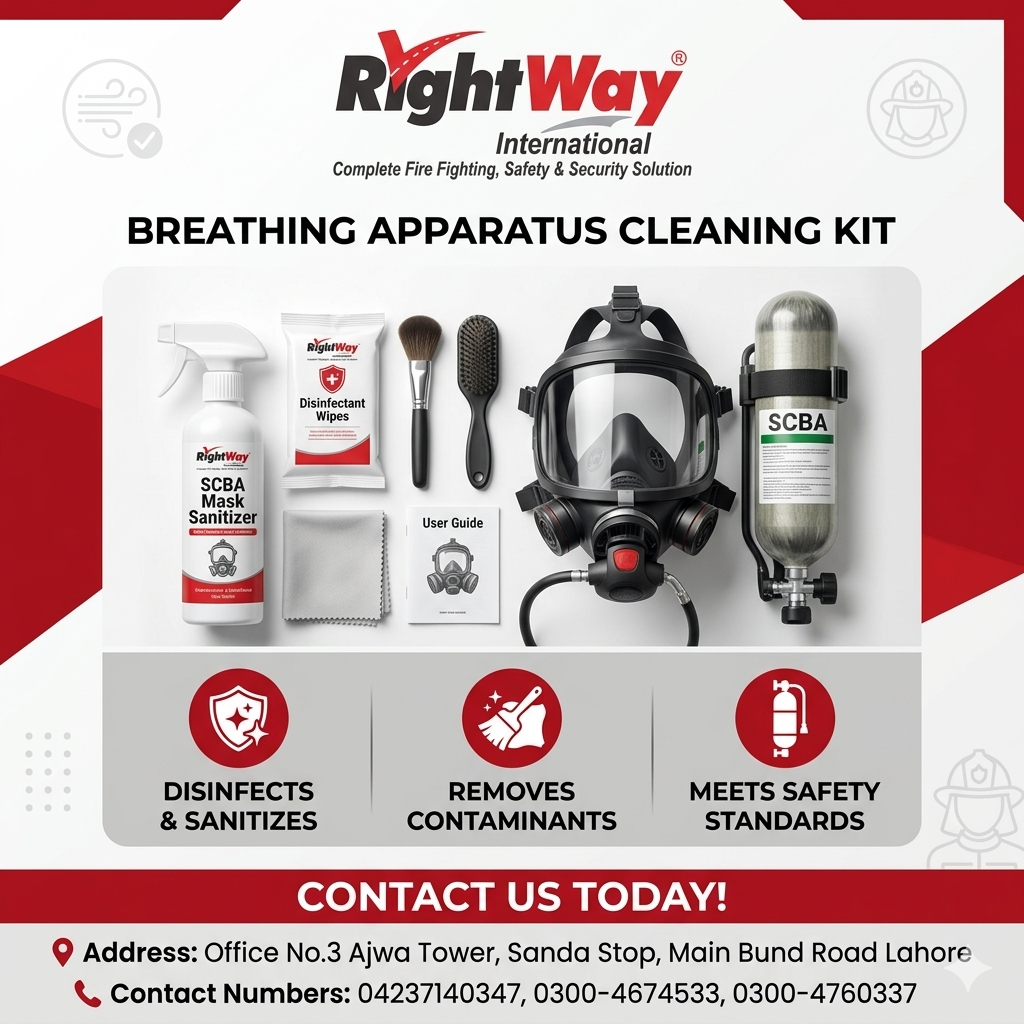
Breathing Apparatus Cleaning Kit is a specialized maintenance and hygiene system designed to clean, disinfect, and maintain respiratory protection equipment such as Self-Contained Breathing Apparatus (SCBA), face masks, regulators, breathing hoses, valves, and associated components. It is essential for ensuring that breathing apparatus systems remain safe, hygienic, and fully operational after use in contaminated, toxic, or hazardous environments.
These cleaning kits are widely used in firefighting services, industrial safety operations, offshore oil and gas facilities, mining environments, chemical processing plants, military units, emergency rescue teams, and confined space operations where respiratory equipment is exposed to smoke, chemicals, dust, biological contaminants, and hazardous residues.
Because breathing apparatus equipment is used in life-critical situations, cleaning kits play a vital role in infection control, equipment longevity, operational readiness, and compliance with safety standards such as OSHA, NFPA, EN, and NIOSH guidelines.
What Is a Breathing Apparatus Cleaning Kit?
A Breathing Apparatus Cleaning Kit is a complete set of tools, chemicals, and accessories used to clean and disinfect respiratory protection equipment after use in hazardous environments.
It is commonly used for:
- Self-Contained Breathing Apparatus (SCBA) cleaning
- Full-face respirator maintenance
- Air mask and visor cleaning
- Breathing hose and regulator sanitation
- Emergency rescue equipment hygiene
- Industrial respiratory protection systems
- Firefighting gear decontamination
- Confined space entry equipment cleaning
- Chemical exposure cleanup operations
- Military and defense respiratory maintenance
- Offshore and marine safety equipment care
- Mining and tunneling respiratory gear cleaning
- Pharmaceutical and cleanroom safety equipment sanitation
- Hazardous material (HAZMAT) response gear cleaning
- Industrial shutdown maintenance operations
Key Components of a Breathing Apparatus Cleaning Kit
A typical breathing apparatus cleaning kit includes:
- Disinfectant cleaning solution (non-corrosive, medical-grade)
- Soft cleaning brushes (mask and valve brushes)
- Microfiber cleaning cloths
- Antibacterial wipes
- Neutral pH detergent solution
- Rinse spray bottles
- Hose cleaning tools and swabs
- Valve and regulator cleaning brushes
- Mask seal cleaning sponges
- Drying rack or hanger system
- Decontamination buckets or trays
- Protective gloves for handling chemicals
- Sanitizing spray applicators
- Lens-safe visor cleaning solution
- Storage case for cleaning accessories
How Breathing Apparatus Cleaning Kits Work
Breathing apparatus cleaning kits are designed to remove contaminants, disinfect surfaces, and ensure equipment safety after exposure to hazardous environments.
Step 1: Equipment Disassembly
Respiratory components such as masks, hoses, and valves are separated for cleaning.
Step 2: Pre-Cleaning Rinse
Loose dirt, soot, and chemical residue are rinsed off using clean water or spray systems.
Step 3: Chemical Cleaning
Specialized detergents and disinfectants are applied to remove toxic contaminants and biological hazards.
Step 4: Manual Scrubbing
Brushes and sponges are used to clean tight areas such as valves, seals, and mask edges.
Step 5: Rinsing and Neutralization
Components are rinsed to remove cleaning agents and ensure chemical neutrality.
Step 6: Drying and Inspection
Equipment is air-dried and inspected for damage before reuse or storage.
Types of Breathing Apparatus Cleaning Kits
1. Manual Cleaning Kit
Basic kit with brushes, wipes, and disinfectants for small-scale maintenance.
2. Industrial Cleaning Kit
Heavy-duty kit designed for firefighting stations and industrial maintenance facilities.
3. SCBA Full System Cleaning Kit
Specialized kit for complete Self-Contained Breathing Apparatus decontamination.
4. Portable Field Cleaning Kit
Compact kit used in emergency response and on-site decontamination operations.
5. Chemical Decontamination Kit
Designed for hazardous chemical exposure cleanup in industrial environments.
6. Automated Cleaning System Kit
Advanced system using controlled washing and disinfecting machines for large-scale operations.
Common Applications of Breathing Apparatus Cleaning Kits
Breathing apparatus cleaning kits are widely used in:
- Firefighting and rescue operations
- Industrial safety maintenance
- Confined space entry procedures
- Offshore oil and gas platforms
- Mining and underground operations
- Chemical processing plants
- Nuclear and pharmaceutical facilities
- Military and defense operations
- Marine and shipyard safety systems
- Emergency medical response units
- Hazardous material cleanup teams
- Airport and aviation safety services
- Construction and infrastructure projects
- Industrial cleaning services
- Disaster relief and emergency response
Importance of Breathing Apparatus Cleaning Kits in Safety Systems
Breathing apparatus cleaning kits are essential for maintaining hygiene, safety, and operational reliability of respiratory protection equipment.
Key Benefits:
- Removes toxic and chemical contaminants
- Prevents cross-contamination between users
- Extends lifespan of SCBA equipment
- Ensures respiratory hygiene and safety
- Maintains regulatory compliance
- Improves emergency readiness
- Reduces equipment failure risk
- Enhances firefighter and worker protection
- Maintains optical clarity of masks and visors
- Ensures proper valve and regulator function
Technical Specifications
| Specification | Details |
|---|---|
| Equipment Type | Breathing Apparatus Cleaning Kit |
| Application | Respiratory Protection Equipment Maintenance |
| Cleaning Agents | Neutral pH detergents, disinfectants, antibacterial solutions |
| Tools Included | Brushes, wipes, sprays, cloths |
| Compatibility | SCBA, respirators, masks, hoses |
| Safety Standards | OSHA, NFPA, EN, NIOSH |
| Usage Environment | Industrial, firefighting, marine, chemical |
| Storage | Portable case or station-based kit |
| Material Safety | Non-corrosive, equipment-safe chemicals |
| Cleaning Method | Manual or semi-automated |
Key Features and Advantages of Breathing Apparatus Cleaning Kits
Deep Cleaning Capability
Removes soot, chemicals, and biological contaminants effectively.
Equipment Protection
Uses non-corrosive materials that protect sensitive components.
Hygienic Maintenance
Prevents infection and cross-contamination risks.
Portable Design
Allows cleaning in field operations or emergency sites.
Easy-to-Use Tools
Simple brushes and wipes for fast maintenance.
Compliance Support
Helps meet OSHA, NFPA, and safety hygiene standards.
Extended Equipment Lifespan
Reduces wear and tear through proper maintenance.
Rapid Turnaround
Enables quick reuse of breathing apparatus in emergencies.
How to Select the Right Breathing Apparatus Cleaning Kit
1. Identify Equipment Type
Ensure compatibility with SCBA or respirator systems.
2. Evaluate Cleaning Requirements
Choose industrial-grade or portable kits depending on usage.
3. Check Chemical Safety
Ensure cleaning agents are non-corrosive and equipment-safe.
4. Consider Field vs Station Use
Select portable kits for field operations and large systems for stations.
5. Verify Compliance Standards
Ensure alignment with OSHA, NFPA, EN, and NIOSH regulations.
Best Practices for Using Breathing Apparatus Cleaning Kits
- Clean equipment immediately after use
- Use approved disinfectants only
- Avoid harsh chemicals that damage seals
- Rinse thoroughly to remove residue
- Dry equipment completely before storage
- Inspect components during cleaning
- Replace worn brushes and sponges regularly
- Store cleaning kits in sterile conditions
- Train personnel in proper decontamination procedures
- Follow manufacturer cleaning guidelines
Industries That Use Breathing Apparatus Cleaning Kits
- Fire and emergency services
- Oil and gas industry
- Chemical manufacturing plants
- Mining and tunneling operations
- Marine and offshore platforms
- Military and defense forces
- Nuclear energy facilities
- Pharmaceutical cleanroom industries
- Industrial maintenance and shutdown teams
- Hazardous waste management services
- Airport emergency response units
- Construction and infrastructure projects
- Disaster response organizations
- Shipbuilding and repair industries
- Utility and energy sectors
Importance of OSHA and Safety Compliance
Breathing apparatus cleaning kits support regulatory compliance by ensuring:
- Proper decontamination of respiratory equipment
- Reduced risk of exposure to hazardous residues
- Improved worker safety and hygiene
- Standardized cleaning procedures
- Enhanced operational readiness
- Prevention of equipment contamination failures
- Protection of emergency responders and industrial workers
Difference Between Breathing Apparatus Cleaning Kit and Standard Cleaning Tools
| Feature | Cleaning Kit | Standard Cleaning Tools |
|---|---|---|
| Equipment Compatibility | SCBA and respirators | General use only |
| Chemical Safety | Equipment-safe solutions | Not specialized |
| Decontamination Level | High | Low |
| Regulatory Compliance | OSHA/NFPA/EN compliant | Not certified |
| Industrial Use | Yes | Limited |
| Contamination Control | Advanced | Basic |
Frequently Asked Questions (FAQs)
What is a breathing apparatus cleaning kit used for?
It is used to clean and disinfect SCBA and respiratory protection equipment after use in hazardous environments.
Why is cleaning important for breathing apparatus?
It prevents contamination, equipment damage, and ensures user safety.
Can SCBA masks be reused after cleaning?
Yes, if properly cleaned, disinfected, and inspected for damage.
What cleaning solutions are used?
Neutral pH detergents and approved disinfectants safe for respiratory equipment.
Where are cleaning kits used most?
Fire stations, industrial plants, offshore platforms, mining sites, and emergency response units.
Conclusion
Breathing Apparatus Cleaning Kits are essential tools for maintaining the safety, hygiene, and performance of respiratory protection systems. They ensure SCBA units, masks, hoses, and regulators remain free from contaminants and fully operational in critical environments such as firefighting, industrial safety, offshore operations, chemical plants, and emergency response situations.
With features like deep cleaning capability, equipment-safe chemicals, portability, and compliance with safety standards, these kits play a crucial role in extending equipment life, reducing contamination risks, and ensuring reliable respiratory protection in hazardous environments.