




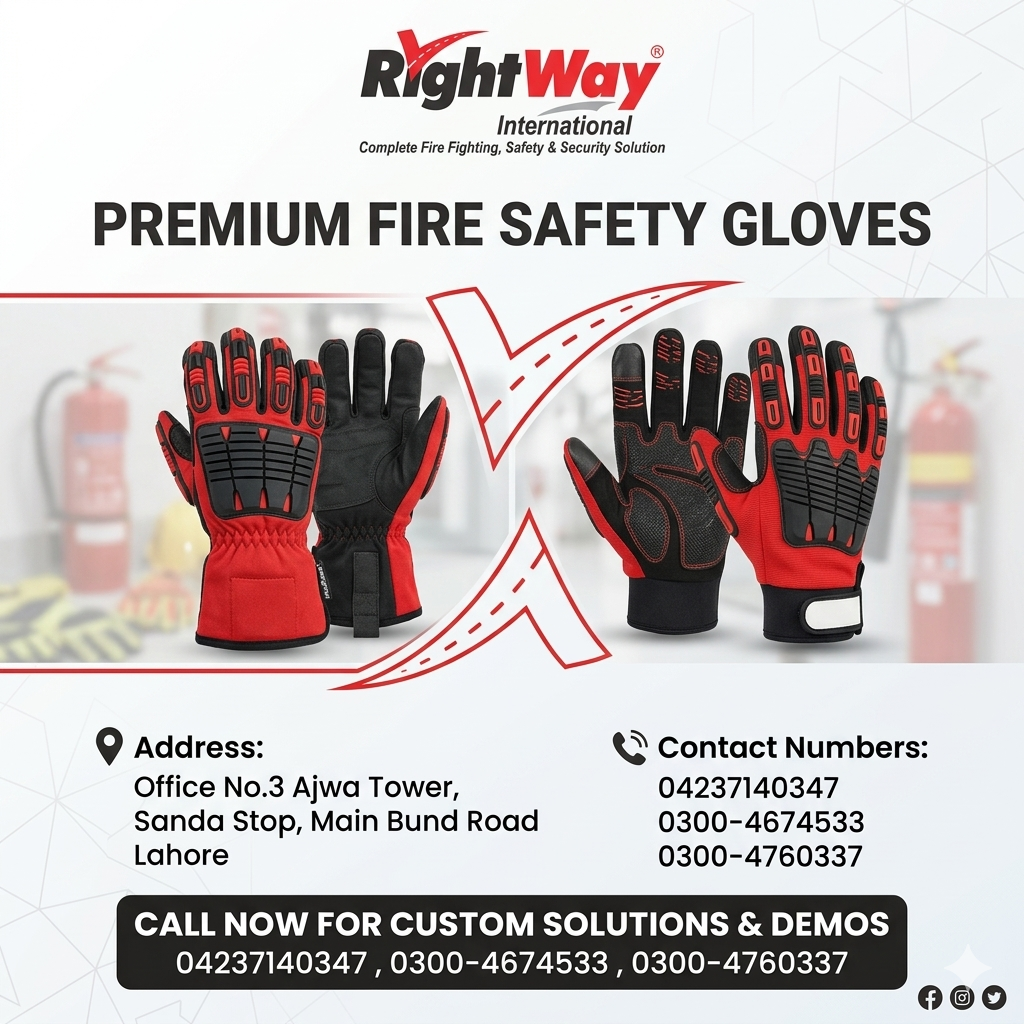
Fire Safety Gloves are specialized personal protective equipment (PPE) designed to protect firefighters, rescue personnel, industrial workers, and emergency responders from extreme heat, flames, cuts, abrasions, hazardous materials, electrical hazards, and other dangerous conditions encountered during firefighting and rescue operations. These advanced protective gloves play a critical role in ensuring hand safety, reducing burn injuries, improving grip performance, enhancing operational effectiveness, and supporting compliance with Occupational Safety and Health Administration (OSHA), National Fire Protection Association (NFPA), International Organization for Standardization (ISO), EN standards, and local fire safety regulations.
Fire safety gloves are widely used by municipal fire departments, airport rescue and firefighting teams, industrial fire brigades, oil and gas facilities, petrochemical plants, chemical processing industries, power generation facilities, military organizations, marine operations, mining companies, construction sites, emergency response units, and disaster management agencies. Their durable construction, heat-resistant materials, and ergonomic design help firefighters perform critical tasks safely in hazardous environments.
As workplace safety requirements continue to evolve and fire-related risks increase, fire safety gloves remain essential components of fire protection programs, emergency preparedness plans, industrial safety systems, rescue operations, disaster response strategies, occupational safety initiatives, and public safety services.
What Are Fire Safety Gloves?
Fire Safety Gloves are specialized protective handwear designed to protect firefighters and emergency personnel from heat, flames, hot surfaces, sharp objects, hazardous substances, and mechanical injuries during firefighting, rescue, and emergency response activities.
These gloves are commonly used for:
Firefighter hand protection, emergency response operations, fire suppression activities, rescue missions, thermal protection, burn prevention, cut resistance, impact protection, hazardous material handling, workplace safety compliance, disaster management, occupational safety, public safety enhancement, accident prevention, risk reduction.
Hand Protection Systems
Fire safety glove systems are commonly used for:
Structural firefighting, industrial firefighting, rescue operations, emergency response management, airport firefighting services, hazardous material response, disaster recovery operations, industrial safety programs, workplace risk management, emergency preparedness planning, infrastructure protection, public safety initiatives, fire prevention strategies, rescue coordination, occupational safety compliance.
Safety Protective Equipment
Fire safety gloves are commonly used for:
Heat protection, flame resistance, thermal insulation, hand injury prevention, cut protection, abrasion resistance, impact protection, firefighter safety, emergency response support, hazardous environment protection, industrial hazard control, workplace risk management, rescue operations, disaster response activities, safety compliance programs.
Key Components of Fire Safety Gloves
A typical pair of fire safety gloves includes:
- Flame-resistant outer shell
- Thermal protective lining
- Moisture barrier layer
- Heat-resistant palm reinforcement
- Cut-resistant protective fabric
- Impact protection padding
- Water-resistant membrane
- Fire-resistant stitching
- Reinforced fingertips
- Reinforced knuckle protection
- Extended wrist cuff
- Adjustable closure system
- Grip-enhancing palm surface
- Breathable inner lining
- Chemical-resistant coating (selected models)
- Ergonomic finger design
- High-durability materials
- Flexible hand protection system
Personal Protective Equipment (PPE) Applications
Fire safety gloves are commonly used for:
Firefighter protection, emergency rescue operations, industrial safety programs, workplace safety initiatives, hazardous material handling, thermal hazard protection, burn prevention, cut injury reduction, disaster management, public safety services, infrastructure protection, emergency preparedness planning, occupational safety compliance, fire suppression activities, risk management programs.
How Fire Safety Gloves Work
Fire safety gloves provide multiple layers of protection against thermal and physical hazards.
Step 1: Heat Protection
Heat-resistant materials reduce heat transfer from flames and hot surfaces.
Step 2: Flame Resistance
Specialized fabrics resist ignition and minimize flame spread.
Step 3: Thermal Insulation
Insulating layers reduce burn risks during firefighting operations.
Step 4: Mechanical Protection
Reinforced materials protect against cuts, abrasions, punctures, and impacts.
Step 5: Enhanced Safety Performance
Combined protection systems improve firefighter safety and operational effectiveness.
Types of Fire Safety Gloves
1. Structural Fire Fighting Gloves
Designed for firefighters operating in structural fire environments.
2. Rescue Gloves
Used during technical rescue and emergency response missions.
3. Industrial Fire Safety Gloves
Designed for industrial facilities, refineries, and manufacturing plants.
4. Airport Fire Fighting Gloves
Used by aircraft rescue and firefighting personnel.
5. Wildland Fire Fighting Gloves
Lightweight gloves designed for forest and grassland firefighting.
6. High-Temperature Protective Gloves
Used in environments with extreme heat exposure.
7. Chemical Protective Fire Gloves
Provide additional protection against hazardous chemicals and liquid exposure.
8. Electrical Hazard Fire Gloves
Designed for environments involving electrical risks.
9. Marine Fire Fighting Gloves
Used during shipboard and offshore firefighting operations.
10. Smart Fire Safety Gloves
Integrated with sensors and advanced monitoring technology for modern firefighting applications.
Common Applications of Fire Safety Gloves
Fire safety gloves are widely used in:
- Municipal fire departments
- Airport authorities
- Industrial facilities
- Oil and gas plants
- Petrochemical facilities
- Chemical processing plants
- Power generation stations
- Mining operations
- Construction projects
- Marine operations
- Military organizations
- Government emergency services
- Disaster response teams
- Public safety agencies
- Emergency rescue units
Safety Management Systems
Fire safety management systems are commonly used for:
Emergency response planning, firefighter protection programs, workplace safety initiatives, industrial risk management, accident prevention strategies, disaster preparedness operations, occupational safety compliance, infrastructure protection, rescue coordination, hazardous material management, fire prevention planning, public safety enhancement, emergency evacuation programs, safety auditing procedures, risk reduction initiatives.
Importance of Fire Safety Gloves in Fire Protection
Fire safety gloves are essential components of modern fire protection and emergency response operations.
Key Benefits
- Protect against extreme heat
- Reduce burn injuries
- Provide cut and abrasion resistance
- Enhance firefighter safety
- Improve grip performance
- Support rescue operations
- Increase hand dexterity
- Improve workplace safety compliance
- Reduce occupational injury risks
- Enhance operational effectiveness
Technical Specifications
| Specification | Details |
|---|---|
| Equipment Type | Fire Safety Gloves |
| Function | Hand Protection and Heat Resistance |
| Material | Kevlar®, Nomex®, Aramid Fibers, Leather, PBI |
| Heat Resistance | Excellent |
| Flame Resistance | High |
| Cut Resistance | High |
| Water Resistance | Available in Selected Models |
| Grip Performance | Enhanced Palm Design |
| Durability | Heavy-Duty Construction |
| Maintenance Requirement | Low to Moderate |
| Compliance Standards | OSHA, NFPA, ISO, EN Standards |
Key Features and Advantages of Fire Safety Gloves
Superior Heat Resistance
Designed to withstand high temperatures and radiant heat.
Flame Protection
Advanced materials resist ignition and flame spread.
Cut and Abrasion Resistance
Protect hands from sharp objects and rough surfaces.
Enhanced Grip Performance
Specialized palm materials improve grip during emergency operations.
Durable Construction
Built for demanding firefighting and industrial environments.
Improved Comfort
Ergonomic designs reduce hand fatigue during extended use.
Flexible Movement
Allows efficient handling of tools and equipment.
Regulatory Compliance
Supports compliance with workplace safety and fire protection standards.
Long Service Life
Engineered for extended use under harsh operating conditions.
How to Select the Right Fire Safety Gloves
1. Assess Operational Risks
Identify heat exposure, sharp object hazards, chemical risks, and environmental conditions.
2. Determine Protection Requirements
Select gloves designed for structural, industrial, rescue, airport, or wildland firefighting.
3. Verify Compliance Standards
Ensure compliance with NFPA, OSHA, ISO, EN, and local regulations.
4. Evaluate Comfort and Dexterity
Choose gloves that balance protection with operational performance.
5. Consider Durability Requirements
Select materials suitable for long-term use in demanding environments.
Best Practices for Using Fire Safety Gloves
- Conduct routine inspections
- Check for tears and damage
- Replace worn protective layers promptly
- Clean according to manufacturer guidelines
- Verify proper fit before use
- Store in clean, dry environments
- Follow PPE maintenance schedules
- Train personnel on proper glove usage
- Perform periodic safety audits
- Maintain compliance with safety regulations
Industries That Use Fire Safety Gloves
- Fire departments
- Airport authorities
- Oil and gas companies
- Petrochemical facilities
- Chemical manufacturers
- Power plants
- Mining companies
- Construction firms
- Marine operators
- Military organizations
- Government agencies
- Emergency response teams
- Industrial facilities
- Public safety organizations
- Disaster management authorities
Importance of Fire Safety Compliance
Fire safety gloves help organizations achieve compliance by ensuring:
Improved firefighter protection, enhanced workplace safety, reduced injury risks, better emergency response capability, increased public safety, improved operational efficiency, regulatory compliance, infrastructure protection, occupational safety enhancement, risk reduction.
Difference Between Standard Work Gloves and Fire Safety Gloves
| Feature | Standard Work Gloves | Fire Safety Gloves |
| Heat Resistance | Low to Moderate | High |
| Flame Resistance | Limited | Excellent |
| Cut Protection | Moderate | High |
| Thermal Insulation | Low | High |
| Firefighter Use | Not Recommended | Specifically Designed |
| Grip Performance | Standard | Enhanced |
| Cost | Lower | Higher |
| Common Applications | General Work | Firefighting & Rescue |
Frequently Asked Questions (FAQs)
What are Fire Safety Gloves used for?
Fire safety gloves protect firefighters and emergency responders from heat, flames, cuts, abrasions, hazardous materials, and other operational hazards.
Where are Fire Safety Gloves commonly used?
They are commonly used by fire departments, airports, industrial facilities, oil and gas plants, chemical facilities, military organizations, and emergency response agencies.
What materials are used in Fire Safety Gloves?
Common materials include Kevlar®, Nomex®, aramid fibers, PBI fabrics, leather reinforcements, moisture barriers, and thermal insulation layers.
Do Fire Safety Gloves improve firefighter safety?
Yes. They significantly reduce burn risks, provide thermal protection, improve grip performance, and enhance overall firefighter safety.
How often should Fire Safety Gloves be inspected?
They should be inspected before and after each use and undergo regular maintenance according to manufacturer recommendations and applicable safety standards.