




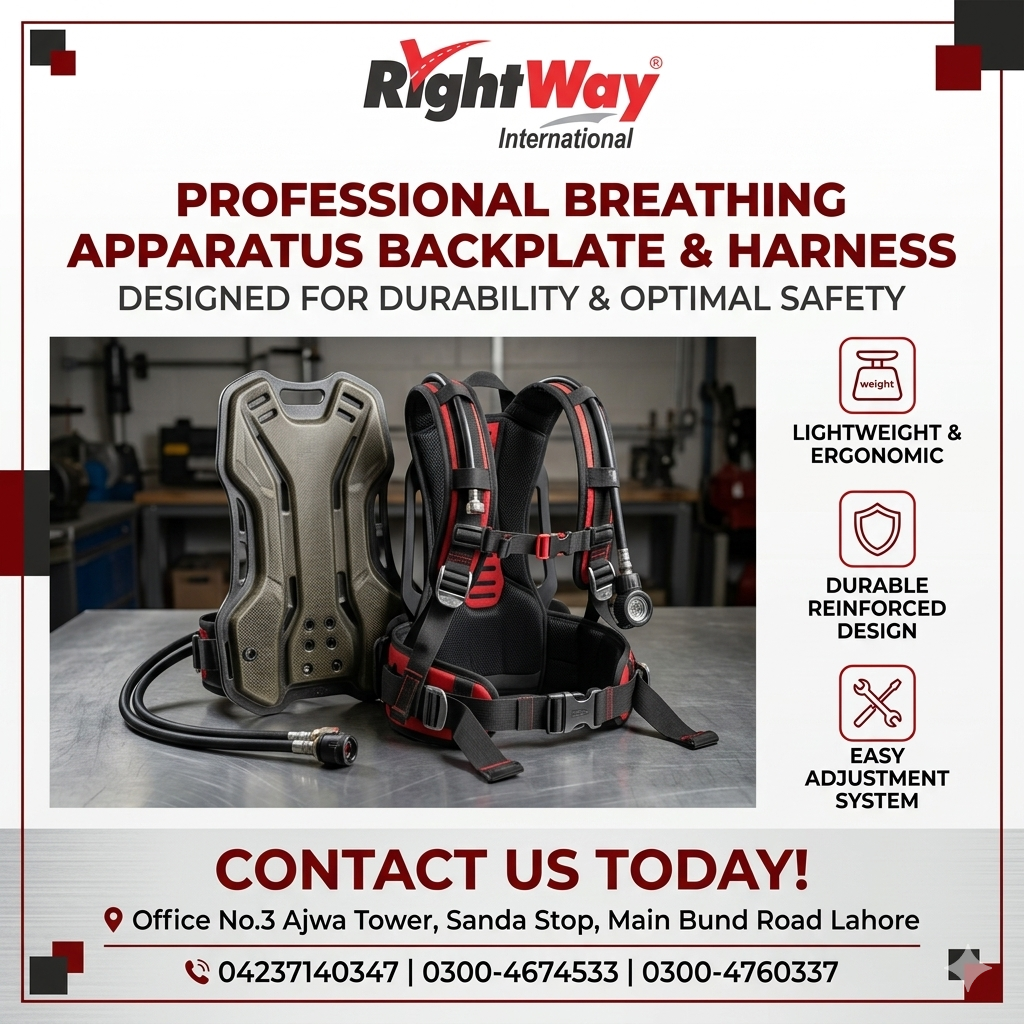
Breathing Apparatus Backplate and Harness is a critical component of respiratory protection equipment designed to securely support and carry Self-Contained Breathing Apparatus (SCBA) cylinders, air supply systems, pressure regulators, and associated breathing equipment. These systems are widely used in firefighting, industrial safety, emergency rescue, offshore operations, confined space entry, mining, chemical processing, hazardous material response, marine applications, and military operations to ensure safe and comfortable respiratory protection in hazardous environments.
The backplate and harness assembly provides structural support, weight distribution, ergonomic comfort, equipment stability, and user mobility while carrying breathing apparatus during demanding operations. Properly designed systems improve worker safety, reduce fatigue, enhance operational performance, and support compliance with Occupational Safety and Health Administration (OSHA), National Institute for Occupational Safety and Health (NIOSH), National Fire Protection Association (NFPA), and international respiratory protection standards.
Because emergency responders and industrial workers often operate in toxic atmospheres, smoke-filled environments, oxygen-deficient spaces, and hazardous chemical locations, breathing apparatus backplate and harness systems play a vital role in maintaining respiratory protection, operational readiness, and worker safety.
What Is a Breathing Apparatus Backplate and Harness?
A Breathing Apparatus Backplate and Harness is the load-bearing assembly of a breathing apparatus that secures the air cylinder and breathing components to the wearer’s body while providing comfort, balance, and stability during use.
These systems are commonly used for:
- Self-Contained Breathing Apparatus (SCBA)
- Firefighter breathing apparatus
- Industrial respiratory protection
- Confined space entry
- Hazardous material response
- Chemical processing operations
- Emergency rescue procedures
- Offshore oil and gas operations
- Mining applications
- Marine and shipyard operations
- Commercial diving support systems
- Military respiratory protection
- Aviation emergency breathing systems
- Pharmaceutical manufacturing
- Nuclear facility operations
- Industrial maintenance activities
Most breathing apparatus backplate and harness systems include:
- Backplate frame
- Adjustable shoulder straps
- Waist belt assembly
- Cylinder retention strap
- Cylinder support bracket
- Padding and cushioning system
- Quick-release buckles
- Harness adjustment mechanism
- Pressure reducer mounting points
- Air cylinder support structure
- Carrying handle
- Load distribution frame
- Heat-resistant materials
- Ergonomic suspension system
Breathing apparatus backplate and harness systems support:
- OSHA respiratory protection compliance
- Secure cylinder carrying
- Improved worker mobility
- Enhanced equipment stability
- Respiratory safety programs
- Firefighter operational readiness
- Hazardous environment protection
- Emergency rescue preparedness
- Industrial safety management
- Long-duration respiratory operations
Because these systems provide secure equipment support and effective weight distribution, they significantly improve user comfort, respiratory equipment performance, and operational safety.
How Breathing Apparatus Backplate and Harness Systems Work
Breathing apparatus backplate and harness systems stabilize and support respiratory equipment while allowing the user to move freely during hazardous operations.
Step 1: Cylinder Installation
The breathing air cylinder is securely mounted onto the backplate assembly.
Step 2: Harness Adjustment
Shoulder straps, waist belts, and harness components are adjusted to fit the user.
Step 3: Load Distribution
The harness distributes equipment weight evenly across the shoulders, back, and hips.
Step 4: Equipment Stabilization
The backplate secures the cylinder and associated breathing components during movement.
Step 5: Respiratory Operation
The wearer receives breathing air through the SCBA or supplied-air system while the harness maintains equipment stability.
Step 6: Emergency Response Performance
The system supports safe movement and respiratory protection in hazardous environments.
Face Piece With Head Harness
Face Piece With Head Harness is a respiratory protection assembly consisting of a respirator face mask and an adjustable harness designed to secure the mask firmly to the wearer’s head while maintaining an effective airtight seal.
These systems are commonly used for:
- SCBA respiratory systems
- Firefighter breathing apparatus
- Industrial respiratory protection
- Confined space entry
- Hazardous material handling
- Chemical processing operations
- Emergency rescue procedures
- Medical isolation systems
- Commercial diving respirators
- Offshore maintenance operations
- Gas leak response
- Toxic environment operations
- Industrial painting applications
- Sandblasting operations
- Pharmaceutical manufacturing
- Welding and fabrication work
Types of Breathing Apparatus Backplate and Harness Systems
Different industries and emergency operations require specialized backplate and harness configurations.
1. Standard SCBA Backplate and Harness
Designed for general firefighting and industrial respiratory protection.
Features:
- Lightweight construction
- Adjustable straps
- Secure cylinder mounting
- Durable materials
2. Firefighter Backplate and Harness Systems
Engineered for extreme heat and emergency response conditions.
Benefits:
- Flame-resistant materials
- High durability
- Enhanced mobility
- NFPA compliance
3. Industrial Respirator Harness Systems
Used in manufacturing, chemical plants, and confined space operations.
Applications:
- Industrial maintenance
- Chemical handling
- Plant shutdowns
- Hazardous atmosphere work
4. Carbon Fiber Backplate Systems
Utilize advanced materials for reduced weight and increased comfort.
Advantages:
- Lightweight design
- Corrosion resistance
- Improved ergonomics
- Extended wear comfort
5. Marine and Offshore Harness Assemblies
Designed for harsh offshore and marine environments.
Common Uses:
- Offshore oil platforms
- Ship maintenance
- Marine rescue operations
- Port facility work
Common Applications of Breathing Apparatus Backplate and Harness Systems
Industries use breathing apparatus backplate and harness systems for:
- Firefighting operations
- Industrial emergency response
- Hazardous material handling
- Confined space entry
- Chemical manufacturing
- Oil and gas operations
- Mining activities
- Offshore maintenance
- Marine safety operations
- Pharmaceutical production
- Nuclear facility maintenance
- Rescue and recovery missions
- Commercial diving support
- Aviation emergency services
- Industrial cleaning operations
- Tank inspections
- Utility maintenance
- Welding environments
- Power generation facilities
- Military operations
Importance of Breathing Apparatus Backplate and Harness Systems in Industrial Safety
Breathing apparatus backplate and harness systems are essential for supporting respiratory protection equipment and improving worker safety.
Benefits:
- Secure air cylinder retention
- Improved equipment stability
- Enhanced worker mobility
- Reduced physical fatigue
- Better weight distribution
- Improved user comfort
- Increased operational efficiency
- Enhanced emergency response capability
- Supports OSHA compliance
- Improves respiratory safety
Technical Specifications
| Specification | Details |
|---|---|
| Equipment Type | Breathing Apparatus Backplate and Harness |
| Application | SCBA and Respiratory Protection |
| Material | Composite, Carbon Fiber, Aluminum, Stainless Steel |
| Harness Type | Adjustable Shoulder and Waist Harness |
| Cylinder Compatibility | SCBA Air Cylinders |
| Weight Capacity | Varies by Design |
| Compliance | OSHA, NIOSH, NFPA, EN Standards |
| Environment | Industrial, Firefighting, Rescue, Offshore |
| Adjustment System | Quick Release and Adjustable Straps |
| Industry Use | Fire, Industrial, Marine, Mining, Medical |
Key Features and Advantages of Breathing Apparatus Backplate and Harness Systems
Secure Equipment Support
Provides stable mounting of respiratory equipment during operations.
Ergonomic Weight Distribution
Reduces strain on the shoulders and back.
Adjustable Harness Design
Allows customized fitting for different users.
High-Durability Construction
Designed for demanding industrial and emergency environments.
Enhanced User Mobility
Supports unrestricted movement during rescue and industrial tasks.
Quick Release Functionality
Enables rapid removal during emergencies.
Corrosion and Heat Resistance
Suitable for harsh industrial and firefighting conditions.
Long-Term Comfort
Improves comfort during extended operational periods.
How to Select the Right Breathing Apparatus Backplate and Harness
Choosing the correct system improves safety, comfort, and operational effectiveness.
1. Determine Operational Environment
Evaluate whether the equipment will be used in firefighting, industrial, offshore, or rescue applications.
2. Verify Cylinder Compatibility
Ensure compatibility with the intended SCBA cylinder and regulator system.
3. Evaluate Material Construction
Choose lightweight and durable materials suitable for the environment.
4. Assess Comfort Features
Look for padded shoulder straps, ergonomic waist belts, and adjustable fittings.
5. Ensure Regulatory Compliance
Verify compliance with OSHA, NIOSH, NFPA, and applicable safety standards.
Best Practices for Breathing Apparatus Backplate and Harness Usage
- Inspect harness straps before use
- Verify cylinder retention security
- Check buckles and adjustment systems
- Clean harness assemblies regularly
- Replace worn components immediately
- Conduct routine equipment inspections
- Train personnel on proper fitting procedures
- Store equipment in dry conditions
- Follow manufacturer maintenance guidelines
- Perform scheduled safety audits
Industries That Commonly Use Breathing Apparatus Backplate and Harness Systems
Fire and Rescue Services
Firefighters depend on SCBA backplate and harness systems during emergency operations.
Offshore Oil and Gas Industry
Workers use respiratory equipment while performing maintenance and emergency response tasks.
Chemical Processing Industry
Personnel require respiratory protection in hazardous chemical environments.
Mining Industry
Miners use breathing apparatus systems in oxygen-deficient and dust-prone locations.
Marine and Shipbuilding Industry
Workers rely on respiratory equipment during confined-space and maintenance operations.
Pharmaceutical Manufacturing
Employees use respiratory protection in controlled production environments.
Hazardous Material Response Teams
Emergency responders depend on breathing apparatus systems during contamination incidents.
Nuclear Facilities
Personnel require respiratory protection while performing critical maintenance and emergency procedures.
Importance of OSHA Compliance for Breathing Apparatus Backplate and Harness Systems
OSHA respiratory protection regulations require employers to provide properly maintained respiratory equipment and ensure safe usage practices.
Proper breathing apparatus backplate and harness programs help organizations:
- Improve worker safety
- Reduce respiratory risks
- Enhance emergency preparedness
- Support OSHA compliance
- Improve equipment reliability
- Strengthen safety programs
- Reduce workplace injuries
- Improve rescue readiness
- Protect emergency responders
- Enhance hazard management
Failure to maintain breathing apparatus equipment may result in equipment failure, respiratory hazards, OSHA violations, operational downtime, injuries, or fatalities.
Difference Between Breathing Apparatus Backplate and Harness and Standard Carrying Systems
| Feature | Breathing Apparatus Backplate and Harness | Standard Carrying System |
| Cylinder Support | Advanced | Basic |
| Weight Distribution | Ergonomic | Limited |
| SCBA Compatibility | Yes | No |
| Emergency Response Use | Designed for Critical Operations | Not Suitable |
| OSHA Compliance | Industrial Grade | Limited |
| User Comfort | High | Moderate |
| Equipment Stability | Excellent | Basic |
| Hazardous Environment Use | Yes | No |
Frequently Asked Questions (FAQs)
What is a breathing apparatus backplate and harness used for?
It supports and secures SCBA cylinders and respiratory equipment while providing comfort and stability during hazardous operations.
Who uses breathing apparatus backplate and harness systems?
Firefighters, industrial workers, rescue teams, offshore personnel, miners, military personnel, and hazardous material responders commonly use them.
What standards apply to breathing apparatus backplate and harness systems?
OSHA, NIOSH, NFPA, and EN standards commonly apply.
Why is proper harness adjustment important?
Proper adjustment improves comfort, equipment stability, weight distribution, and operational safety.
Can breathing apparatus backplate and harness systems be used with SCBA equipment?
Yes. They are specifically designed to support SCBA cylinders and respiratory protection systems.
What materials are commonly used?
Composite materials, carbon fiber, aluminum alloys, stainless steel, heat-resistant polymers, and high-strength fabrics are commonly used.
Conclusion
Breathing Apparatus Backplate and Harness systems are essential components of modern respiratory protection equipment used across firefighting, industrial safety, offshore operations, mining, hazardous material response, chemical processing, marine operations, and emergency rescue services. By providing secure cylinder support, ergonomic weight distribution, enhanced mobility, and reliable equipment stability, these systems help improve worker safety, operational efficiency, and regulatory compliance.
Whether used in firefighting emergencies, confined space rescue, offshore maintenance, industrial manufacturing facilities, chemical plants, mining operations, pharmaceutical production facilities, marine environments, or hazardous material response teams, breathing apparatus backplate and harness systems remain critical to effective respiratory protection and occupational safety management.