




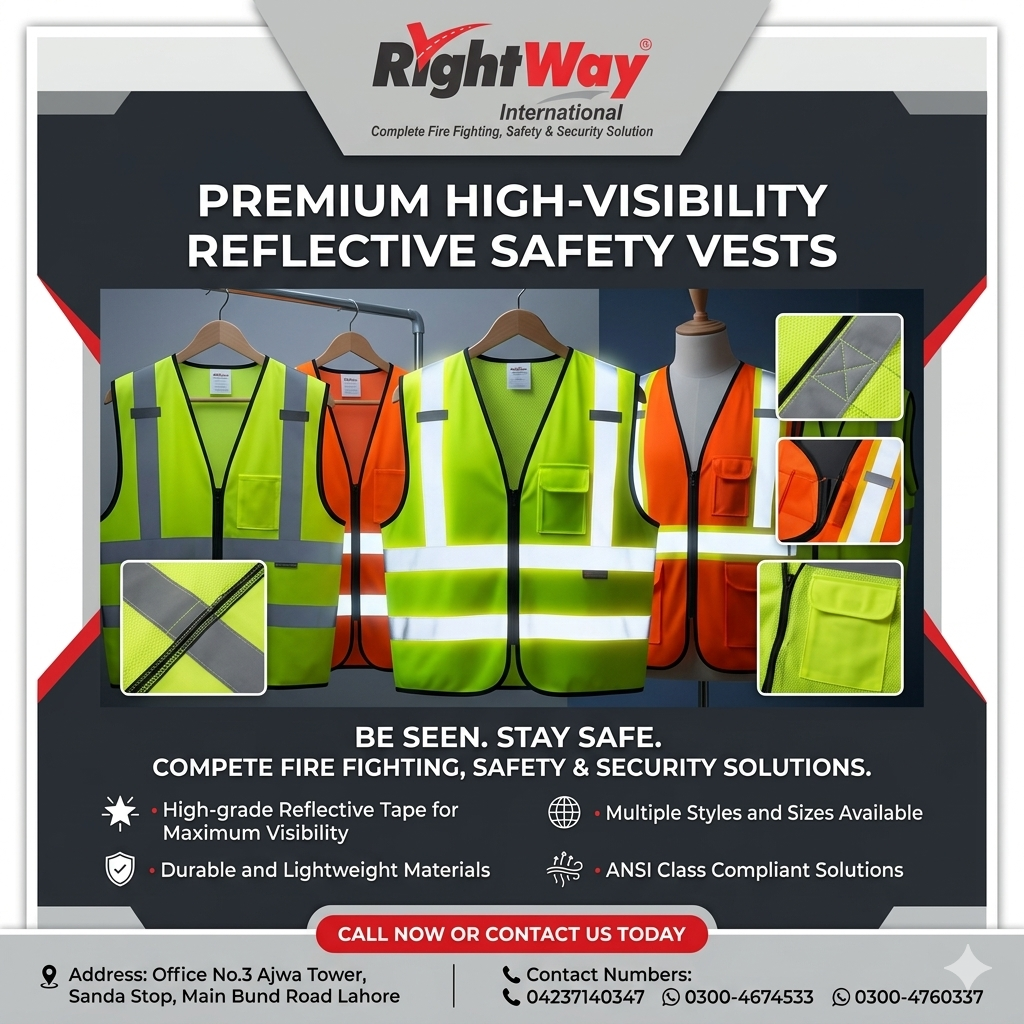
Reflective Safety Vests are critical high-visibility personal protective equipment (PPE) designed to improve worker visibility, reduce accident risks, and enhance safety in environments where employees are exposed to moving vehicles, machinery, low-light conditions, or hazardous work zones. These safety garments help ensure that workers remain highly visible during both daytime and nighttime operations.
Reflective safety vests are widely used in construction sites, roadwork zones, warehouses, logistics facilities, airports, manufacturing plants, emergency response operations, utilities, transportation hubs, mining sites, and public infrastructure projects to improve occupational safety and traffic management.
Because workplace safety is a major concern worldwide, reflective safety vests play a vital role in accident prevention programs, traffic control operations, worker protection systems, and occupational health and safety initiatives. They support compliance with standards established by Occupational Safety and Health Administration (OSHA) ANSI/ISEA 107, ISO, HSE, DOT, EN ISO 20471, and local workplace safety authorities.
What Are Reflective Safety Vests?
A Reflective Safety Vest is a high-visibility garment designed with fluorescent materials and reflective strips that make workers more noticeable to drivers, equipment operators, and other personnel in various work environments.
Reflective safety vests are commonly used for:
- Worker visibility
- Traffic control operations
- Road construction safety
- Warehouse safety
- Industrial safety
- Emergency response operations
- Airport ground crew protection
- Utility maintenance work
- Logistics and transportation safety
- Mining operations
- Public works projects
- Event management
- Crowd control
- Pedestrian safety
- Occupational hazard prevention
Road Safety Barriers
Road safety barriers are commonly used for:
- Highway safety
- Traffic management
- Vehicle containment
- Accident prevention
- Roadside protection
- Bridge safety
- Median separation
- Construction zone safety
- Pedestrian protection
- Industrial traffic control
- Airport perimeter safety
- Infrastructure protection
- Parking facility safety
- Tunnel safety systems
- Public road safety programs
Key Components of Reflective Safety Vests
A typical reflective safety vest includes:
- High-visibility fluorescent fabric
- Reflective tape or reflective strips
- Front zipper or hook-and-loop closure
- Lightweight breathable material
- Mesh ventilation panels
- Multiple storage pockets
- Radio or ID badge holders
- Reinforced stitching
- Adjustable side straps
- Weather-resistant materials
- High-contrast colors
- ANSI-compliant reflective bands
- Durable fabric construction
- Custom logo printing options
How Reflective Safety Vests Work
Reflective safety vests improve worker visibility through bright colors and reflective technology.
Step 1: Daytime Visibility
Fluorescent colors such as yellow, orange, or lime green enhance visibility during daylight hours.
Step 2: Light Reflection
Reflective strips reflect light from vehicle headlights, flashlights, and worksite lighting.
Step 3: Increased Worker Recognition
Drivers and machine operators can identify workers from greater distances.
Step 4: Hazard Awareness
Improved visibility helps prevent collisions and workplace incidents.
Step 5: Enhanced Safety
Workers remain visible in high-risk environments, reducing accident risks.
Types of Reflective Safety Vests
1. ANSI Class 1 Safety Vests
Designed for low-risk work environments with minimal traffic exposure.
2. ANSI Class 2 Safety Vests
Suitable for road construction, utility work, and environments with moderate traffic speeds.
3. ANSI Class 3 Safety Vests
Provide maximum visibility for workers in high-speed traffic areas and hazardous conditions.
4. Surveyor Safety Vests
Feature multiple pockets and tool storage compartments for field personnel.
5. Mesh Reflective Vests
Lightweight and breathable designs for hot working environments.
6. Solid Fabric Safety Vests
Offer increased durability and protection in demanding workplaces.
7. Flame-Resistant Reflective Vests
Designed for workers exposed to fire hazards and electrical risks.
8. Incident Command Vests
Used by emergency response teams for role identification and visibility.
9. Two-Tone Safety Vests
Provide enhanced visibility with contrasting color combinations.
10. LED Safety Vests
Equipped with integrated LED lights for additional visibility in extremely low-light conditions.
Common Applications of Reflective Safety Vests
Reflective safety vests are widely used in:
- Road construction projects
- Highway maintenance
- Traffic management operations
- Warehouses and logistics centers
- Manufacturing facilities
- Airports and aviation operations
- Railway maintenance
- Utility companies
- Emergency services
- Mining sites
- Oil and gas facilities
- Public works departments
- Event management operations
- Security services
- Commercial construction projects
Importance of Reflective Safety Vests in Workplace Safety Systems
Reflective safety vests are a fundamental component of occupational safety programs.
Key Benefits
- Improves worker visibility
- Reduces accident risks
- Enhances pedestrian safety
- Supports regulatory compliance
- Increases hazard awareness
- Protects workers in low-light conditions
- Improves traffic control effectiveness
- Enhances emergency response operations
- Reduces workplace injuries
- Promotes safer work environments
Technical Specifications
| Specification | Details |
|---|---|
| Equipment Type | Reflective Safety Vest |
| Function | High-Visibility Worker Protection |
| Material | Polyester, Mesh, Cotton Blend |
| Colors | Yellow, Orange, Lime Green |
| Reflective Material | ANSI Reflective Tape |
| Closure Type | Zipper, Hook-and-Loop |
| Visibility Standard | ANSI/ISEA 107, EN ISO 20471 |
| Application | Construction, Traffic Control, Industry |
| Maintenance Requirement | Low |
| Compliance Standards | OSHA, ANSI, ISO, HSE |
Key Features and Advantages of Reflective Safety Vests
High Visibility
Bright fluorescent colors improve worker recognition during daylight.
Reflective Performance
Reflective strips enhance visibility during nighttime operations.
Lightweight Design
Provides comfort for extended work periods.
Durable Construction
Resists wear and tear in demanding environments.
Breathable Materials
Improves comfort in hot weather conditions.
Easy Identification
Helps distinguish workers, supervisors, and emergency personnel.
Regulatory Compliance
Supports compliance with occupational safety regulations.
Cost-Effective Safety Solution
Provides significant safety benefits at a relatively low cost.
How to Select the Right Reflective Safety Vest
1. Assess Workplace Hazards
Identify traffic exposure, lighting conditions, and worksite risks.
2. Determine Visibility Requirements
Select ANSI Class 1, Class 2, or Class 3 vests based on risk level.
3. Choose Appropriate Material
Consider mesh, polyester, or flame-resistant fabrics.
4. Evaluate Environmental Conditions
Choose weather-appropriate and durable materials.
5. Verify Regulatory Compliance
Ensure compliance with applicable safety standards and regulations.
Best Practices for Using Reflective Safety Vests
- Wear vests correctly at all times
- Replace damaged or faded vests immediately
- Keep reflective strips clean
- Conduct routine PPE inspections
- Ensure proper fit and comfort
- Follow workplace PPE policies
- Use the appropriate ANSI class
- Store vests properly when not in use
- Train workers on visibility requirements
- Maintain compliance documentation
Industries That Use Reflective Safety Vests
- Construction industry
- Transportation sector
- Warehousing and logistics
- Manufacturing facilities
- Aviation industry
- Mining operations
- Oil and gas industry
- Public utilities
- Emergency response services
- Government agencies
- Infrastructure contractors
- Security services
- Event management companies
- Railway operators
- Municipal services
Importance of OSHA and Workplace Safety Compliance
Reflective safety vests help organizations comply with safety requirements by ensuring:
- Enhanced worker visibility
- Improved traffic safety
- Reduced workplace accidents
- Better hazard recognition
- Increased employee protection
- Compliance with PPE standards
- Safer worksite operations
- Improved emergency preparedness
Difference Between ANSI Class 2 and ANSI Class 3 Safety Vests
| Feature | ANSI Class 2 | ANSI Class 3 |
| Visibility Level | Moderate | Maximum |
| Reflective Material | Less Coverage | Greater Coverage |
| Traffic Speed Exposure | Up to Moderate Speed | High-Speed Traffic |
| Worker Risk Level | Medium | High |
| Sleeve Requirement | Not Required | Often Required |
| Typical Use | Roadwork, Utilities | Highways, Emergency Response |
Frequently Asked Questions (FAQs)
What are Reflective Safety Vests used for?
Reflective safety vests are used to improve worker visibility and reduce accident risks in hazardous environments.
What colors are commonly used for Reflective Safety Vests?
The most common colors are fluorescent yellow, orange, and lime green.
What standards apply to Reflective Safety Vests?
Common standards include ANSI/ISEA 107, OSHA regulations, EN ISO 20471, and local safety requirements.
How do Reflective Safety Vests improve safety?
They increase visibility during daytime and nighttime conditions, helping prevent collisions and workplace accidents.
When should Reflective Safety Vests be replaced?
They should be replaced when reflective materials fade, become damaged, or no longer meet visibility requirements.
Reflective Safety Vests are among the most effective and essential personal protective equipment used to improve worker visibility, reduce workplace accidents, and enhance safety in high-risk environments. By increasing visibility during both day and night operations, reflective safety vests contribute significantly to safer workplaces, construction sites, roadways, airports, warehouses, and industrial facilities. Their affordability, durability, and compliance with international safety standards make them an indispensable component of modern occupational health and safety programs.