




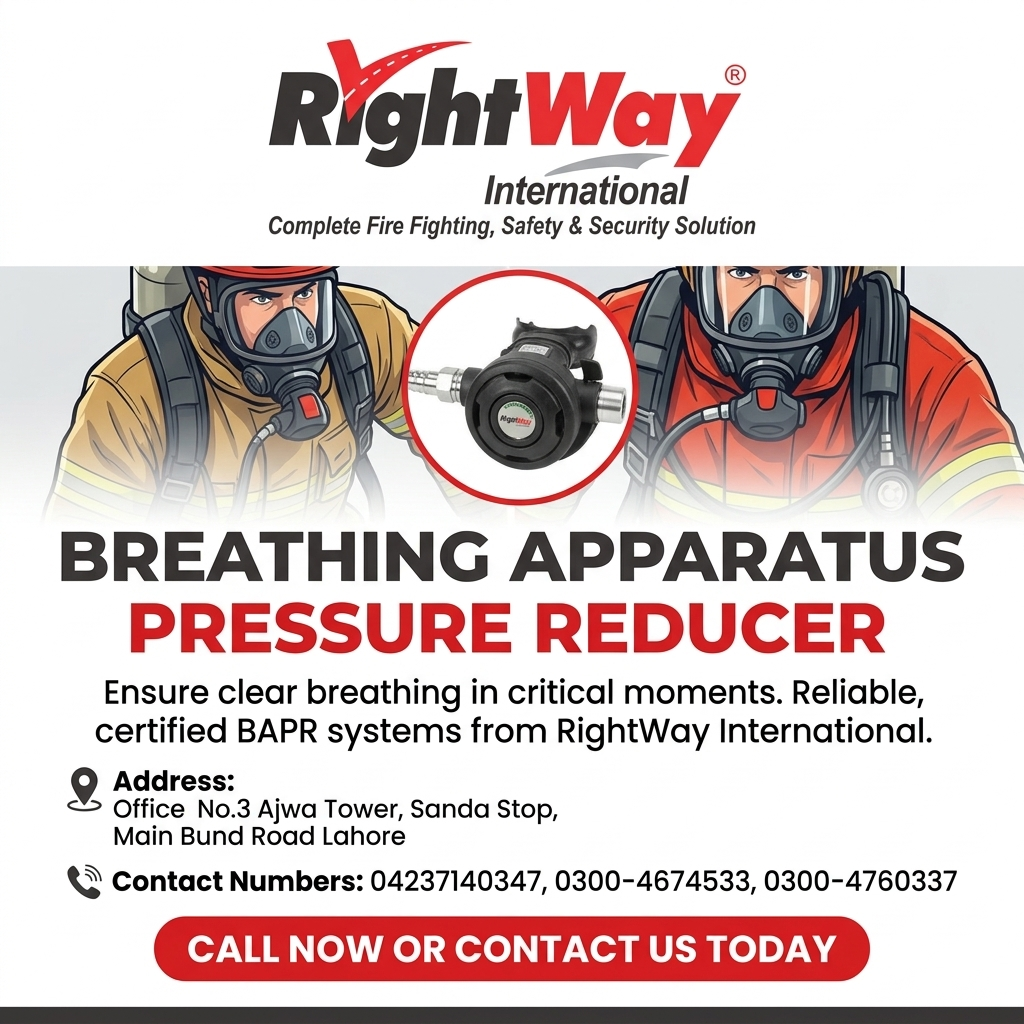
Breathing Apparatus Pressure Reducer is a critical component of respiratory protection systems designed to reduce high-pressure air from a breathing air cylinder to a safe and controlled working pressure for delivery to the wearer. It ensures a consistent and reliable air supply to breathing apparatus equipment such as Self-Contained Breathing Apparatus (SCBA), airline respirators, emergency escape breathing devices, and other respiratory protection systems used in hazardous environments.
Breathing apparatus pressure reducers are widely used in firefighting services, industrial safety operations, offshore oil and gas facilities, mining environments, chemical processing plants, marine applications, military operations, emergency rescue services, and confined space entry activities where a dependable supply of breathable air is essential for worker safety.
Because respiratory protection equipment is used in life-critical situations, pressure reducers play a vital role in maintaining stable airflow, protecting system components, ensuring user comfort, and complying with international safety standards such as OSHA, NFPA, EN, NIOSH, and ISO requirements.
What Is a Breathing Apparatus Pressure Reducer?
A Breathing Apparatus Pressure Reducer is a precision-engineered pressure control device that decreases the extremely high pressure stored in breathing air cylinders to a lower, regulated pressure suitable for safe respiratory use.
It is commonly used for:
- Self-Contained Breathing Apparatus (SCBA) systems
- Airline breathing apparatus systems
- Emergency escape breathing devices (EEBD)
- Industrial respiratory protection equipment
- Firefighter breathing apparatus
- Offshore breathing air systems
- Mining respiratory equipment
- Chemical plant breathing apparatus
- Marine and shipboard safety systems
- Emergency rescue breathing systems
- Military respiratory protection equipment
- Confined space entry breathing apparatus
- Hazardous material response equipment
- Industrial air supply systems
- Compressed breathing air distribution networks
Key Components of a Breathing Apparatus Pressure Reducer
A typical breathing apparatus pressure reducer includes:
- High-pressure inlet connection
- Pressure reduction valve
- Pressure regulating mechanism
- Diaphragm assembly
- Piston assembly
- Spring-loaded regulator system
- Intermediate pressure chamber
- Pressure relief valve
- O-rings and sealing components
- High-pressure hose connection
- Airflow control mechanism
- Pressure gauge interface
- Safety shut-off system
- Corrosion-resistant housing
- Mounting assembly
- Outlet connection fittings
How Breathing Apparatus Pressure Reducers Work
Pressure reducers are designed to safely convert cylinder pressure into a controlled operating pressure.
Step 1: High-Pressure Air Entry
Compressed air enters the reducer from the breathing air cylinder, often at pressures ranging from 200 to 300 bar.
Step 2: Initial Pressure Reduction
The regulator mechanism reduces the high cylinder pressure to an intermediate operating pressure.
Step 3: Pressure Stabilization
The diaphragm or piston system maintains a stable pressure regardless of cylinder pressure fluctuations.
Step 4: Controlled Air Delivery
Regulated air is supplied to hoses, demand valves, and face masks at a safe working pressure.
Step 5: Continuous Adjustment
The reducer automatically adjusts airflow to match breathing demand while maintaining consistent pressure.
Types of Breathing Apparatus Pressure Reducers
1. SCBA Pressure Reducer
Specifically designed for self-contained breathing apparatus used by firefighters and industrial workers.
2. Single-Stage Pressure Reducer
Reduces cylinder pressure directly to operating pressure in one stage.
3. Two-Stage Pressure Reducer
Uses multiple pressure reduction stages for greater stability and precision.
4. Airline Breathing Apparatus Reducer
Designed for supplied-air respiratory systems connected to external air sources.
5. High-Pressure Breathing Air Reducer
Suitable for cylinders operating at very high storage pressures.
6. Emergency Escape Breathing Device Reducer
Used in compact emergency breathing systems for evacuation purposes.
Breathing Air Purification System
Breathing Air Purification System is an integrated filtration and purification unit that cleans compressed air before it is supplied to breathing apparatus equipment.
It is commonly used for:
- Compressed breathing air purification
- Self-Contained Breathing Apparatus (SCBA) air supply systems
- Supplied-air respirator systems
- Industrial breathing air treatment
- Firefighter breathing air stations
- Diving air purification systems
- Emergency rescue air supply systems
- Confined space breathing air solutions
- Offshore platform respiratory protection
- Hazardous environment air filtration
- Chemical plant breathing air systems
- Pharmaceutical clean air applications
- Military respiratory support systems
- Mining air purification stations
- Air compressor purification systems
Common Applications of Breathing Apparatus Pressure Reducers
Breathing apparatus pressure reducers are widely used in:
- Firefighting operations
- Industrial safety programs
- Offshore oil and gas facilities
- Mining and tunneling projects
- Chemical manufacturing plants
- Pharmaceutical production facilities
- Marine and shipboard safety systems
- Military and defense operations
- Emergency rescue services
- Hazardous material response teams
- Nuclear facilities
- Aviation maintenance operations
- Construction projects
- Utility and energy sectors
- Confined space entry activities
Importance of Breathing Apparatus Pressure Reducers in Safety Systems
Pressure reducers are essential for ensuring the safe operation of respiratory protection equipment.
Key Benefits:
- Provides stable breathing air pressure
- Ensures consistent airflow to users
- Enhances respiratory safety
- Protects downstream equipment
- Reduces risk of regulator failure
- Improves wearer comfort
- Supports emergency response readiness
- Extends equipment service life
- Maintains operational reliability
- Ensures compliance with safety regulations
Technical Specifications
| Specification | Details |
|---|---|
| Equipment Type | Breathing Apparatus Pressure Reducer |
| Function | High-Pressure Air Regulation |
| Inlet Pressure | Up to 300 Bar or Higher |
| Outlet Pressure | Controlled Intermediate Pressure |
| Material | Brass, Stainless Steel, Aluminum Alloy |
| Application | SCBA and Respiratory Protection Systems |
| Safety Features | Pressure Relief Valve, Shut-Off Mechanism |
| Standards | OSHA, NFPA, EN, NIOSH, ISO |
| Operating Environment | Industrial, Firefighting, Offshore, Marine |
| Maintenance Requirement | Periodic Inspection and Testing |
Key Features and Advantages of Breathing Apparatus Pressure Reducers
Accurate Pressure Regulation
Maintains consistent airflow regardless of cylinder pressure variations.
Durable Construction
Manufactured from corrosion-resistant materials for harsh environments.
High Reliability
Designed for life-support applications requiring dependable performance.
Compact Design
Lightweight and space-efficient for integration into breathing apparatus systems.
Enhanced Safety
Includes built-in safety mechanisms to prevent overpressure conditions.
Low Maintenance
Engineered for long service life with minimal maintenance requirements.
Fast Air Response
Provides immediate airflow according to user breathing demand.
Regulatory Compliance
Designed to meet international respiratory protection standards.
How to Select the Right Breathing Apparatus Pressure Reducer
1. Determine System Pressure Requirements
Select a reducer compatible with cylinder pressure ratings.
2. Verify Equipment Compatibility
Ensure compatibility with SCBA, EEBD, or airline breathing systems.
3. Check Material Specifications
Choose corrosion-resistant materials suitable for the operating environment.
4. Evaluate Flow Capacity
Confirm the reducer can support required airflow rates.
5. Verify Compliance Standards
Ensure compliance with OSHA, NFPA, EN, NIOSH, and ISO regulations.
Best Practices for Using Breathing Apparatus Pressure Reducers
- Perform routine inspections before use
- Check for air leaks regularly
- Replace worn seals and O-rings promptly
- Follow manufacturer maintenance schedules
- Conduct pressure testing periodically
- Protect equipment from contamination
- Store in clean, dry environments
- Train personnel on proper operation
- Inspect connections and hoses frequently
- Maintain maintenance records
Industries That Use Breathing Apparatus Pressure Reducers
- Fire and emergency services
- Oil and gas industry
- Chemical processing facilities
- Mining and tunneling operations
- Offshore platforms
- Marine and shipbuilding industries
- Military and defense organizations
- Nuclear facilities
- Pharmaceutical manufacturing plants
- Industrial maintenance contractors
- Aviation support services
- Construction and infrastructure projects
- Utility companies
- Hazardous waste management organizations
- Emergency response agencies
Importance of OSHA and Safety Compliance
Breathing apparatus pressure reducers help organizations comply with safety regulations by ensuring:
- Reliable respiratory protection performance
- Controlled breathing air pressure
- Reduced risk of equipment malfunction
- Improved worker safety
- Proper operation of SCBA systems
- Consistent emergency preparedness
- Enhanced equipment reliability
- Compliance with respiratory protection programs
Difference Between Breathing Apparatus Pressure Reducer and Standard Gas Regulator
| Feature | Breathing Apparatus Pressure Reducer | Standard Gas Regulator |
| Application | Respiratory Protection Systems | General Gas Control |
| Safety Requirements | Life-Support Critical | General Industrial Use |
| Airflow Stability | Very High | Moderate |
| Compliance Standards | OSHA, NFPA, EN, NIOSH | General Industry Standards |
| Emergency Use | Yes | Usually No |
| Respiratory Safety | Critical | Not Specifically Designed |
Frequently Asked Questions (FAQs)
What is a breathing apparatus pressure reducer used for?
It reduces high-pressure air from cylinders to a safe operating pressure for respiratory equipment.
Why is a pressure reducer important in SCBA systems?
It ensures stable airflow and safe breathing pressure for the wearer.
What pressure does a breathing apparatus reducer handle?
Most reducers are designed to manage cylinder pressures up to 300 bar or higher.
How often should pressure reducers be inspected?
Inspection intervals should follow manufacturer recommendations and applicable safety regulations.
Where are breathing apparatus pressure reducers commonly used?
They are used in firefighting, industrial safety, offshore operations, mining, chemical processing, and emergency rescue services.
Conclusion
Breathing Apparatus Pressure Reducers are essential components of respiratory protection systems, ensuring safe, reliable, and controlled delivery of breathing air from high-pressure cylinders to users operating in hazardous environments. Their ability to regulate pressure, maintain airflow stability, and support life-critical operations makes them indispensable in firefighting, industrial safety, offshore energy, mining, marine operations, and emergency response sectors.
With advanced pressure control mechanisms, durable construction, safety features, and compliance with international standards, breathing apparatus pressure reducers contribute significantly to worker protection, equipment reliability, and operational readiness.