




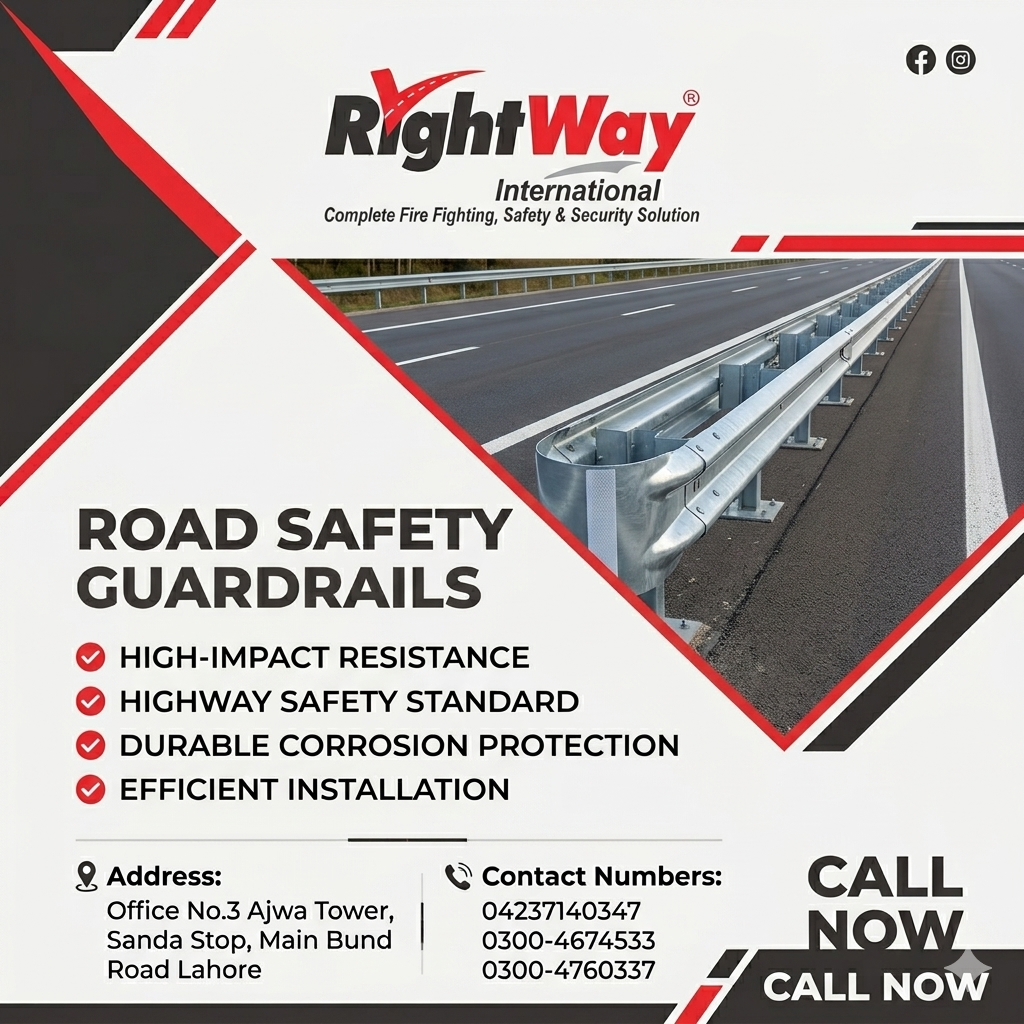
Road Safety Guardrails are critical roadway safety barriers designed to prevent vehicles from leaving the roadway, reduce crash severity, protect motorists, enhance traffic safety, and safeguard infrastructure in highways, bridges, medians, mountainous roads, construction zones, industrial facilities, and public transportation networks. These essential traffic safety systems help minimize accident impacts, reduce fatalities, prevent vehicle rollovers, protect pedestrians, and support safer transportation infrastructure in compliance with roadway engineering standards, transportation authority regulations, Occupational Safety and Health Administration (OSHA) requirements, Department of Transportation (DOT) guidelines, and highway safety management programs.
Road safety guardrails are widely used on highways, expressways, bridges, tunnels, road embankments, median dividers, sharp curves, mountain roads, airport roadways, industrial sites, logistics centers, ports, construction zones, and smart transportation infrastructure projects to improve vehicle containment and reduce accident risks.
As transportation networks continue to expand globally, road safety guardrails play a vital role in crash prevention programs, roadside hazard protection strategies, vehicle restraint systems, intelligent transportation networks, infrastructure safety enhancement, and smart city developments. They support compliance with transportation safety standards, road engineering specifications, workplace safety requirements, and public safety objectives.
What Are Road Safety Guardrails?
A Road Safety Guardrail is a protective barrier installed along roadsides, medians, bridges, and hazardous locations to prevent vehicles from leaving the roadway and colliding with obstacles, steep slopes, water bodies, structures, or oncoming traffic. These barriers are engineered to absorb and redirect vehicle impact energy, reducing the severity of collisions and protecting road users.
Road safety guardrails are commonly used for:
- Vehicle containment
- Roadside protection
- Crash impact reduction
- Bridge safety
- Median separation
- Traffic safety enhancement
- Accident prevention
- Infrastructure protection
- Embankment protection
- Curve safety management
- Construction zone protection
- Highway safety improvement
- Vehicle redirection
- Hazard mitigation
- Transportation safety systems
Guardrail Safety Systems
Guardrail safety systems are commonly used for:
- Highway protection
- Bridge edge safety
- Roadside hazard management
- Median barrier systems
- Mountain road protection
- Tunnel entrance safety
- Industrial traffic control
- Construction site safety
- Airport roadway protection
- Public infrastructure safety
- Vehicle restraint systems
- Transportation risk reduction
- Traffic engineering projects
- Smart transportation networks
- Urban roadway safety programs
Road Safety Equipment
Road safety equipment is commonly used for:
- Traffic regulation
- Accident prevention
- Driver protection
- Vehicle guidance
- Roadway hazard management
- Infrastructure protection
- Construction safety
- Highway safety programs
- Emergency response planning
- Transportation management
- Public safety enhancement
- Workplace safety compliance
- Risk reduction initiatives
- Traffic monitoring
- Smart mobility systems
Key Components of Road Safety Guardrails
A typical road safety guardrail system includes:
- W-beam guardrail panels
- Thrie-beam guardrails
- Steel rail sections
- Guardrail posts
- End terminals
- Impact attenuators
- Spacer blocks
- Mounting brackets
- Anchor systems
- Reinforcement plates
- Reflective markers
- Galvanized steel coating
- Corrosion-resistant finish
- Energy absorption components
- Fasteners and bolts
- Transition sections
- Crash cushions
- Protective end treatments
How Road Safety Guardrails Work
Road safety guardrails protect vehicles and road users by safely redirecting vehicles during collisions.
Step 1: Guardrail Installation
The guardrail system is installed along hazardous roadway sections, bridges, medians, or roadside obstacles.
Step 2: Vehicle Impact
When a vehicle collides with the guardrail, the barrier absorbs part of the impact energy.
Step 3: Energy Dissipation
The rail, posts, and support components deform in a controlled manner to reduce collision forces.
Step 4: Vehicle Redirection
The guardrail redirects the vehicle back toward the roadway instead of allowing it to leave the road.
Step 5: Enhanced Safety
The system reduces accident severity and protects motorists, pedestrians, and infrastructure.
Types of Road Safety Guardrails
1. W-Beam Guardrails
The most widely used roadside barrier system for highways and major roads.
2. Thrie-Beam Guardrails
Provide increased strength and vehicle containment capabilities.
3. Steel Guardrails
Heavy-duty barriers offering excellent durability and impact resistance.
4. Cable Barrier Systems
Flexible systems designed to absorb crash energy and reduce collision severity.
5. Concrete Guardrails
Used in high-risk areas requiring maximum vehicle containment.
6. Bridge Guardrails
Installed on bridges and elevated structures for vehicle protection.
7. Median Guardrails
Separate opposing traffic lanes and reduce crossover accidents.
8. Highway Guardrails
Protect vehicles from roadside hazards and embankments.
9. Industrial Guardrails
Used in warehouses, factories, and industrial facilities.
10. Temporary Construction Guardrails
Provide protection during road maintenance and construction activities.
Common Applications of Road Safety Guardrails
Road safety guardrails are widely used in:
- Highways
- Expressways
- Bridges
- Tunnels
- Mountain roads
- Road embankments
- Median dividers
- Construction zones
- Industrial facilities
- Airports
- Ports
- Logistics centers
- Government infrastructure
- Smart city projects
- Public transportation corridors
Traffic Safety Barrier Systems
Traffic barrier systems are commonly used for:
- Vehicle containment
- Roadside protection
- Crash mitigation
- Traffic separation
- Infrastructure protection
- Bridge safety
- Construction zone management
- Hazard reduction
- Transportation safety enhancement
- Smart mobility infrastructure
- Public safety improvement
- Risk management programs
- Traffic engineering solutions
- Roadway protection systems
- Emergency response support
Importance of Road Safety Guardrails in Transportation Systems
Road safety guardrails are fundamental components of modern roadway infrastructure.
Key Benefits
- Prevent vehicles from leaving the roadway
- Reduce crash severity
- Protect motorists and passengers
- Improve highway safety
- Prevent rollover accidents
- Protect roadside infrastructure
- Reduce fatalities and injuries
- Improve bridge safety
- Support traffic management
- Enhance transportation efficiency
Technical Specifications
| Specification | Details |
|---|---|
| Equipment Type | Road Safety Guardrail |
| Function | Vehicle Restraint and Roadside Protection |
| Material | Galvanized Steel, Cable, Concrete |
| Installation Type | Permanent and Temporary |
| Impact Resistance | High |
| Corrosion Resistance | Excellent |
| Weather Resistance | Excellent |
| Visibility Features | Reflective Delineators Available |
| Maintenance Requirement | Low |
| Compliance Standards | OSHA, AASHTO, ASTM, DOT, EN 1317, Local Highway Safety Regulations |
Key Features and Advantages of Road Safety Guardrails
Vehicle Containment
Prevent vehicles from leaving the roadway during accidents.
Impact Energy Absorption
Reduce collision forces and minimize crash severity.
Durable Construction
Designed to withstand harsh environmental and traffic conditions.
Long Service Life
Manufactured from corrosion-resistant materials for extended performance.
Infrastructure Protection
Protect bridges, utilities, buildings, and roadside structures.
Cost Effective Safety Solution
Reduce accident-related costs and roadway damage.
Low Maintenance
Require periodic inspections and minimal upkeep.
Regulatory Compliance
Support compliance with transportation and roadway safety standards.
How to Select the Right Road Safety Guardrail
1. Assess Roadway Conditions
Evaluate traffic volume, vehicle speed, and roadside hazards.
2. Identify Risk Areas
Determine locations requiring vehicle containment and impact protection.
3. Select Appropriate Barrier Type
Choose W-beam, thrie-beam, cable, or concrete systems based on project requirements.
4. Consider Environmental Conditions
Ensure the guardrail material is suitable for weather and corrosion exposure.
5. Verify Compliance Standards
Confirm compliance with applicable transportation regulations and engineering standards.
Best Practices for Using Road Safety Guardrails
- Conduct routine inspections
- Repair damaged sections immediately
- Replace severely impacted components
- Maintain reflective markers
- Monitor structural integrity
- Ensure proper installation
- Follow manufacturer recommendations
- Implement preventive maintenance programs
- Verify regulatory compliance
- Integrate with roadway safety management systems
Industries That Use Road Safety Guardrails
- Highway authorities
- Transportation departments
- Municipal governments
- Construction companies
- Infrastructure developers
- Airports
- Ports and terminals
- Logistics centers
- Industrial facilities
- Mining operations
- Railway authorities
- Government agencies
- Public works departments
- Smart city developers
- Engineering consultants
Importance of Transportation and Safety Compliance
Road safety guardrails help organizations achieve compliance by ensuring:
- Improved vehicle containment
- Enhanced roadway protection
- Reduced accident severity
- Better infrastructure safety
- Increased driver protection
- Improved public safety
- Reduced liability risks
- Compliance with transportation regulations
Difference Between W-Beam and Thrie-Beam Guardrails
| Feature | W-Beam Guardrails | Thrie-Beam Guardrails |
| Design Shape | W-Shaped Profile | Triple-Wave Profile |
| Strength | High | Very High |
| Vehicle Containment | Good | Excellent |
| Impact Resistance | High | Higher |
| Installation Cost | Lower | Higher |
| Common Applications | Highways and Roads | Bridges and High-Risk Areas |
| Maintenance | Low | Low |
| Service Life | Long | Very Long |
Frequently Asked Questions (FAQs)
What are Road Safety Guardrails used for?
Road safety guardrails prevent vehicles from leaving the roadway and reduce crash severity.
Where are Road Safety Guardrails commonly installed?
They are commonly installed on highways, bridges, medians, mountain roads, tunnels, and construction zones.
What materials are used in Road Safety Guardrails?
Common materials include galvanized steel, concrete, cable systems, and corrosion-resistant metals.
Do Road Safety Guardrails improve road safety?
Yes. They significantly reduce accident severity, protect motorists, and improve roadway safety.
When should Road Safety Guardrails be replaced?
They should be replaced when structural damage, severe corrosion, impact deformation, or performance deterioration occurs.
Road Safety Guardrails are essential roadway protection systems that improve transportation safety, reduce accident severity, prevent vehicles from leaving the roadway, and protect critical infrastructure. Their robust construction, impact absorption capabilities, weather resistance, long service life, and compliance with international roadway safety standards make them indispensable for highways, bridges, tunnels, industrial facilities, airports, construction zones, and public infrastructure projects. By enhancing vehicle containment, reducing collision risks, improving roadway safety, and supporting efficient transportation networks, road safety guardrails contribute significantly to safer, smarter, and more resilient transportation environments worldwide.