




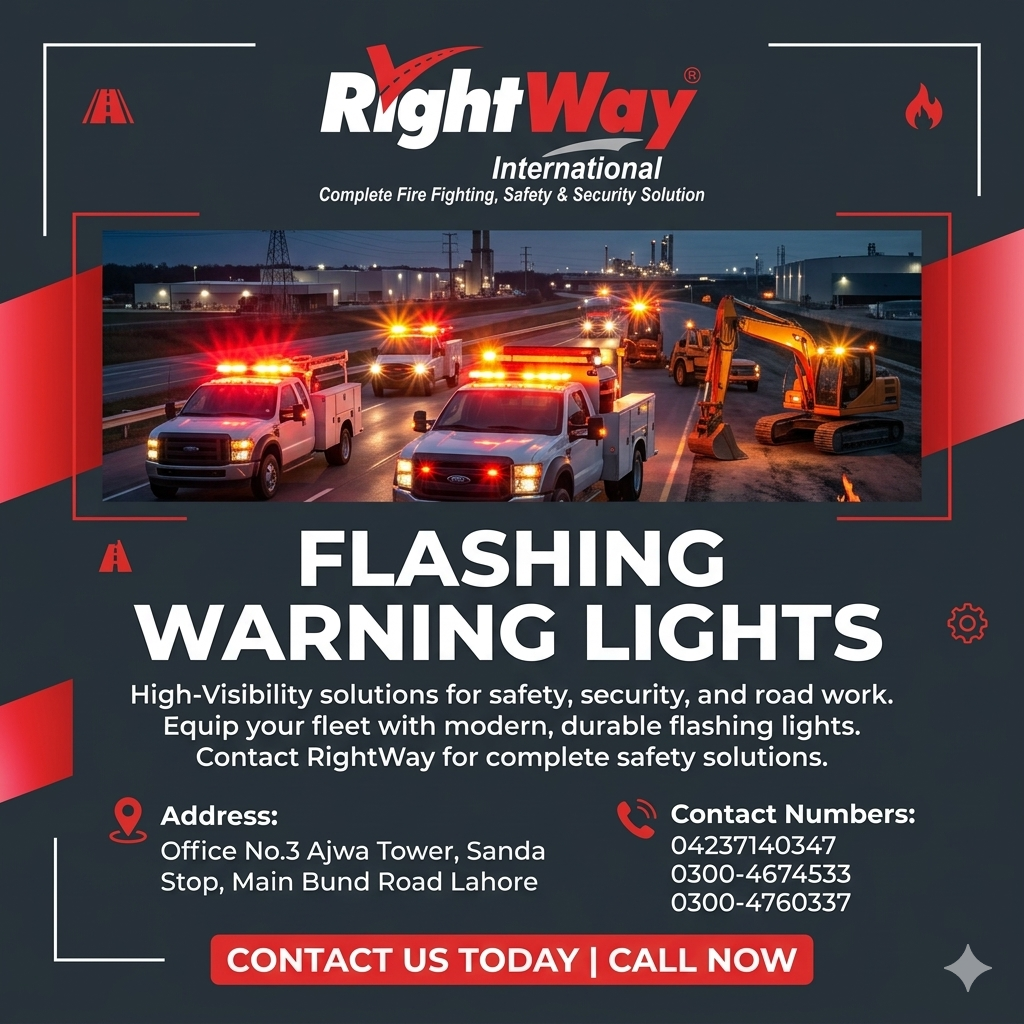
Flashing Warning Lights are critical visual safety devices designed to alert drivers, workers, pedestrians, operators, and the public to potential hazards, emergency situations, restricted areas, moving vehicles, dangerous conditions, and operational activities. These highly visible warning systems enhance safety, improve hazard awareness, reduce accident risks, support traffic management, and protect personnel across transportation networks, industrial facilities, construction zones, airports, warehouses, emergency response operations, mining sites, marine environments, and public infrastructure projects.
Flashing warning lights are widely used on highways, roads, intersections, construction sites, emergency vehicles, industrial machinery, utility vehicles, school zones, warehouses, ports, airports, railways, manufacturing plants, and smart transportation systems to improve visibility and communicate critical safety information.
As infrastructure, transportation, and industrial operations continue to expand globally, flashing warning lights play a vital role in accident prevention programs, workplace safety initiatives, traffic control systems, emergency response management, industrial hazard reduction strategies, smart city developments, and intelligent transportation networks. They support compliance with Occupational Safety and Health Administration (OSHA) requirements, Department of Transportation (DOT) regulations, Federal Highway Administration (FHWA) guidelines, International Organization for Standardization (ISO) standards, and workplace safety management programs.
What Are Flashing Warning Lights?
A Flashing Warning Light is a visual signaling device that emits intermittent or rotating light patterns to attract attention and warn individuals about hazards, operational activities, emergency situations, vehicle movements, restricted areas, or changing roadway conditions.
These lights are designed to provide high visibility in both daytime and nighttime environments, helping prevent accidents and improve safety awareness.
Flashing Warning Lights are commonly used for:
- Hazard warning
- Traffic control
- Vehicle safety
- Emergency signaling
- Construction zone protection
- Industrial safety
- Pedestrian safety
- Equipment operation alerts
- Roadway hazard notification
- Work zone safety
- Public safety enhancement
- Accident prevention
- Infrastructure protection
- Operational awareness
- Risk management
Warning Light Safety Systems
Warning light safety systems are commonly used for:
- Highway safety management
- Traffic signal enhancement
- Emergency vehicle operations
- Construction site safety
- Industrial hazard notification
- Airport ground operations
- Railway crossing safety
- Warehouse traffic management
- Utility vehicle visibility
- Public event safety
- Smart transportation systems
- Road maintenance projects
- Municipal infrastructure protection
- Logistics facility operations
- Workplace safety programs
Road Safety Guardrails
Road safety guardrails are commonly used for:
- Vehicle containment
- Roadside protection
- Crash impact reduction
- Bridge safety
- Median separation
- Traffic safety enhancement
- Accident prevention
- Infrastructure protection
- Embankment protection
- Curve safety management
- Construction zone protection
- Highway safety improvement
- Vehicle redirection
- Hazard mitigation
- Transportation safety systems
Safety Warning Equipment
Safety warning equipment is commonly used for:
- Visual hazard alerts
- Traffic regulation
- Accident prevention
- Emergency response
- Driver notification
- Worker protection
- Equipment visibility
- Operational safety
- Facility security
- Vehicle guidance
- Public awareness
- Infrastructure safety
- Risk reduction programs
- Compliance management
- Smart mobility systems
Key Components of Flashing Warning Lights
A typical flashing warning light system includes:
- LED light modules
- High-intensity flash units
- Warning light housing
- Polycarbonate lens covers
- Reflective optics
- Flash control circuits
- Rotating beacon mechanisms
- Strobe light assemblies
- Mounting brackets
- Power supply systems
- Solar power modules
- Rechargeable battery packs
- Weatherproof enclosures
- Wiring harnesses
- Signal controllers
- Remote monitoring systems
- Synchronization modules
- Visibility enhancement components
How Flashing Warning Lights Work
Flashing warning lights improve safety by providing highly visible alerts that attract immediate attention.
Step 1: Hazard Detection or Activation
The warning light is activated manually, automatically, or through integrated control systems.
Step 2: Light Emission
The device emits bright flashing, rotating, strobe, or pulsing light patterns.
Step 3: Visual Attention
The intermittent light pattern quickly captures attention, even in low-visibility environments.
Step 4: Hazard Communication
Drivers, workers, operators, or pedestrians recognize the warning signal and respond appropriately.
Step 5: Enhanced Safety
The warning light reduces accident risks and improves overall safety awareness.
Types of Flashing Warning Lights
1. LED Flashing Warning Lights
Energy-efficient warning lights offering high brightness and long operational life.
2. Strobe Warning Lights
Produce rapid flashes for maximum visibility in hazardous environments.
3. Rotating Beacon Lights
Traditional rotating lights used on emergency and service vehicles.
4. Solar Flashing Warning Lights
Self-powered warning systems suitable for remote locations.
5. Traffic Warning Lights
Used for road safety, traffic management, and intersection control.
6. Emergency Vehicle Warning Lights
Installed on police, ambulance, and fire service vehicles.
7. Construction Warning Lights
Provide visibility and safety within temporary work zones.
8. Industrial Warning Lights
Alert workers to machinery operation and hazardous conditions.
9. Aviation Warning Lights
Used on towers, airports, and tall structures to improve aircraft visibility.
10. Marine Warning Lights
Installed on docks, ports, navigation structures, and marine facilities.
Common Applications of Flashing Warning Lights
Flashing warning lights are widely used in:
- Highways
- Road intersections
- Construction zones
- Industrial facilities
- Warehouses
- Airports
- Ports and harbors
- Railway crossings
- Mining operations
- Utility vehicles
- Municipal infrastructure
- Logistics centers
- Smart city projects
- Emergency response operations
- Public transportation networks
Traffic Warning Light Systems
Traffic warning light systems are commonly used for:
- Driver alerts
- Work zone safety
- Road hazard notification
- Intersection control
- Traffic management
- Accident prevention
- Vehicle visibility enhancement
- Pedestrian safety
- Infrastructure protection
- Smart transportation networks
- Public safety initiatives
- Transportation engineering projects
- Risk mitigation programs
- Emergency management systems
- Intelligent mobility solutions
Importance of Flashing Warning Lights in Safety Systems
Flashing warning lights are fundamental components of modern safety and hazard communication systems.
Key Benefits
- Improve hazard visibility
- Reduce accident risks
- Increase driver awareness
- Protect workers and pedestrians
- Support emergency response operations
- Enhance roadway safety
- Improve industrial safety
- Minimize operational risks
- Strengthen public safety programs
- Improve compliance with safety regulations
Technical Specifications
| Specification | Details |
|---|---|
| Equipment Type | Flashing Warning Light |
| Function | Visual Hazard Alert and Safety Notification |
| Light Source | LED, Strobe, Halogen, Xenon |
| Power Source | AC, DC, Battery, Solar |
| Visibility Range | High Visibility |
| Weather Resistance | Excellent |
| Impact Resistance | High |
| Installation Type | Permanent and Portable |
| Maintenance Requirement | Low |
| Compliance Standards | OSHA, DOT, FHWA, ISO, IEC, EN Standards |
Key Features and Advantages of Flashing Warning Lights
High Visibility
Bright flashing signals ensure rapid hazard recognition.
Energy Efficiency
Modern LED systems consume minimal power while providing maximum brightness.
Durable Construction
Designed to withstand harsh industrial and outdoor environments.
Long Service Life
LED technology offers extended operational performance.
Weather Resistance
Suitable for rain, snow, dust, heat, and extreme environmental conditions.
Easy Installation
Can be mounted on vehicles, equipment, structures, or portable systems.
Low Maintenance
Require minimal servicing and operational downtime.
Regulatory Compliance
Support compliance with workplace, industrial, and transportation safety standards.
How to Select the Right Flashing Warning Light
1. Identify Application Requirements
Determine whether the system will be used for traffic, industrial, emergency, or construction purposes.
2. Evaluate Visibility Needs
Consider viewing distance, ambient lighting, and environmental conditions.
3. Select Appropriate Light Technology
Choose LED, strobe, rotating beacon, or solar-powered models.
4. Assess Power Availability
Verify AC, DC, battery-powered, or solar energy requirements.
5. Verify Compliance Standards
Ensure compliance with relevant safety and transportation regulations.
Best Practices for Using Flashing Warning Lights
- Conduct routine inspections
- Clean lenses regularly
- Replace damaged components promptly
- Verify flash patterns and visibility
- Maintain power systems
- Follow manufacturer recommendations
- Perform preventive maintenance
- Test emergency systems regularly
- Ensure proper installation
- Maintain regulatory compliance
Industries That Use Flashing Warning Lights
- Transportation departments
- Highway authorities
- Construction companies
- Industrial facilities
- Manufacturing plants
- Warehouses
- Airports
- Ports and terminals
- Mining operations
- Emergency services
- Utility companies
- Municipal governments
- Logistics providers
- Railway operators
- Smart city developers
Importance of Safety and Regulatory Compliance
Flashing warning lights help organizations achieve compliance by ensuring:
- Improved hazard communication
- Enhanced workplace safety
- Better traffic management
- Reduced accident risks
- Increased operational visibility
- Improved emergency response readiness
- Enhanced public protection
- Compliance with safety regulations
Difference Between LED and Strobe Warning Lights
| Feature | LED Warning Lights | Strobe Warning Lights |
| Energy Consumption | Low | Higher |
| Service Life | Very Long | Moderate |
| Brightness | High | Very High |
| Maintenance | Low | Moderate |
| Durability | Excellent | Good |
| Operating Cost | Lower | Higher |
| Environmental Impact | Low | Moderate |
| Common Applications | Traffic, Industrial, Construction | Emergency and Hazard Warning |
Frequently Asked Questions (FAQs)
What are Flashing Warning Lights used for?
Flashing warning lights are used to alert people to hazards, emergency situations, vehicle movements, operational activities, and restricted areas.
Where are Flashing Warning Lights commonly installed?
They are commonly installed on roads, construction sites, industrial facilities, emergency vehicles, warehouses, airports, and public infrastructure.
What types of Flashing Warning Lights are available?
Common types include LED warning lights, strobe lights, rotating beacons, solar warning lights, traffic warning lights, and emergency vehicle warning systems.
Do Flashing Warning Lights improve safety?
Yes. They significantly increase visibility, improve hazard awareness, reduce accident risks, and enhance safety performance.
When should Flashing Warning Lights be replaced?
They should be replaced when brightness decreases, components become damaged, visibility is compromised, or operational reliability declines.
Flashing Warning Lights are essential visual safety devices that improve hazard awareness, enhance operational visibility, reduce accident risks, and support compliance with safety regulations. Their high visibility, energy efficiency, durability, weather resistance, and versatility make them indispensable for transportation networks, industrial facilities, construction projects, emergency response operations, public infrastructure, and smart city developments. By improving hazard communication, increasing safety awareness, reducing risks, and supporting safer operations, flashing warning lights contribute significantly to safer, smarter, and more resilient environments worldwide.